A War of Attrition as Defenses Dictate Terms in East Rutherford
Spain and Belgium played to a tactical stalemate in their quarter-final encounter, leaving their World Cup fates to be decided beyond regulation time.
Numerous Times Sports Desk · 7/10/2026 · 3 min read
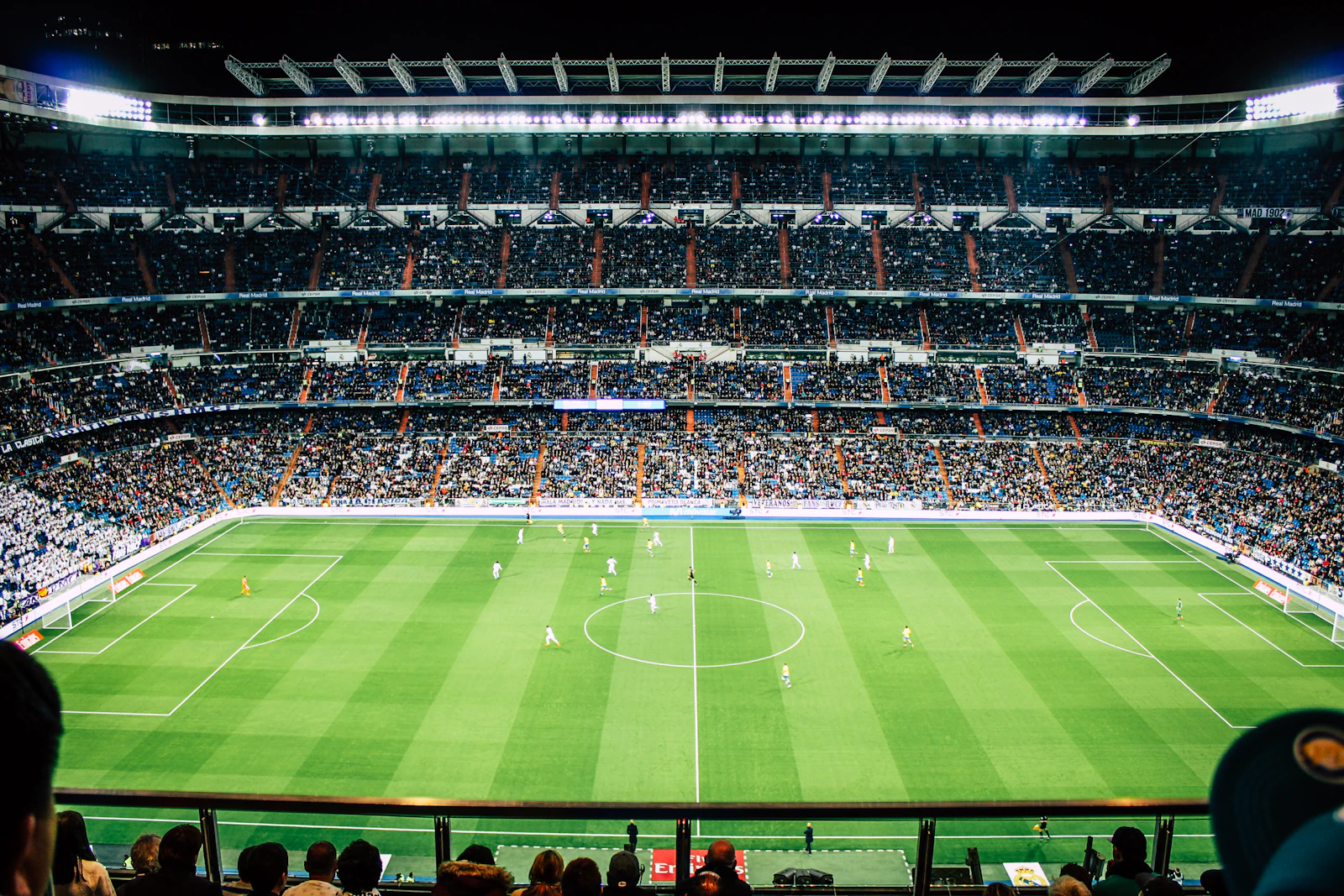
**EAST RUTHERFORD — Neutrality was the defining characteristic of Friday evening’s quarter-final at MetLife Stadium, where Spain and Belgium engaged in a meticulous, if occasionally sterile, tactical exercise that yielded no goals after 120 minutes of play.**
For those seeking the offensive fluidity traditionally associated with Spain’s midfield or the explosive transitions of Belgium’s forward line, the match offered little in the way of high-octane entertainment. Instead, the capacity crowd witnessed a sophisticated chess match between Luis de la Fuente and Domenico Tedesco. Both managers prioritized structural integrity over creative risk, resulting in a contest where the defensive units remained largely untroubled.
Spain maintained their customary monopoly on possession, circulating the ball with patient precision, yet they struggled to penetrate a Belgian low block that functioned with unwavering discipline. The Spanish midfield trio sought gaps in the final third, but the Belgian defensive line, anchored by veteran composure, squeezed the space between the tracks. Every time Spain seemed poised to accelerate, a well-timed tackle or a deliberate recalibration of the Belgian shape stifled the momentum.
Belgium, for their part, were content to absorb pressure and look for opportunities on the counter-attack. However, the service to their lone striker was frequently disrupted by Spain’s high-pressing front line, which forced turnovers before the Belgians could transition into any meaningful threat. The few glimpses of individual brilliance—a surging run down the flank or a threaded through-ball—were promptly snuffed out by professional cover play. Even during the thirty minutes of extra time, neither side appeared willing to commit the numbers forward necessary to break the deadlock, fearing the fatal consequences of a late defensive lapse.
Goalkeeping interventions were rare but necessary. Both custodians handled long-range efforts with routine efficiency, and the lack of clear-cut chances ensured that neither ‘keeper had to produce the spectacular. As the clock wound down, the atmosphere in the stadium shifted from anticipation to a resigned realization that the match would be settled by the psychological rigors of a penalty shootout. On a night where the technical execution was high but the clinical edge was missing, the margins of victory have been deferred to the spot. It was a performance that highlighted the extreme parity of elite international football, where the fear of losing often eclipses the ambition to win.