Entertainment
Zach Bryan and the Shifting Calculus of Stadium Political Capital
The country star’s wardrobe choice at Gillette Stadium tests the limits of artist autonomy in a landscape where political speech increasingly impacts touring margins.
Numerous Times Entertainment Desk
The business behind the spotlight
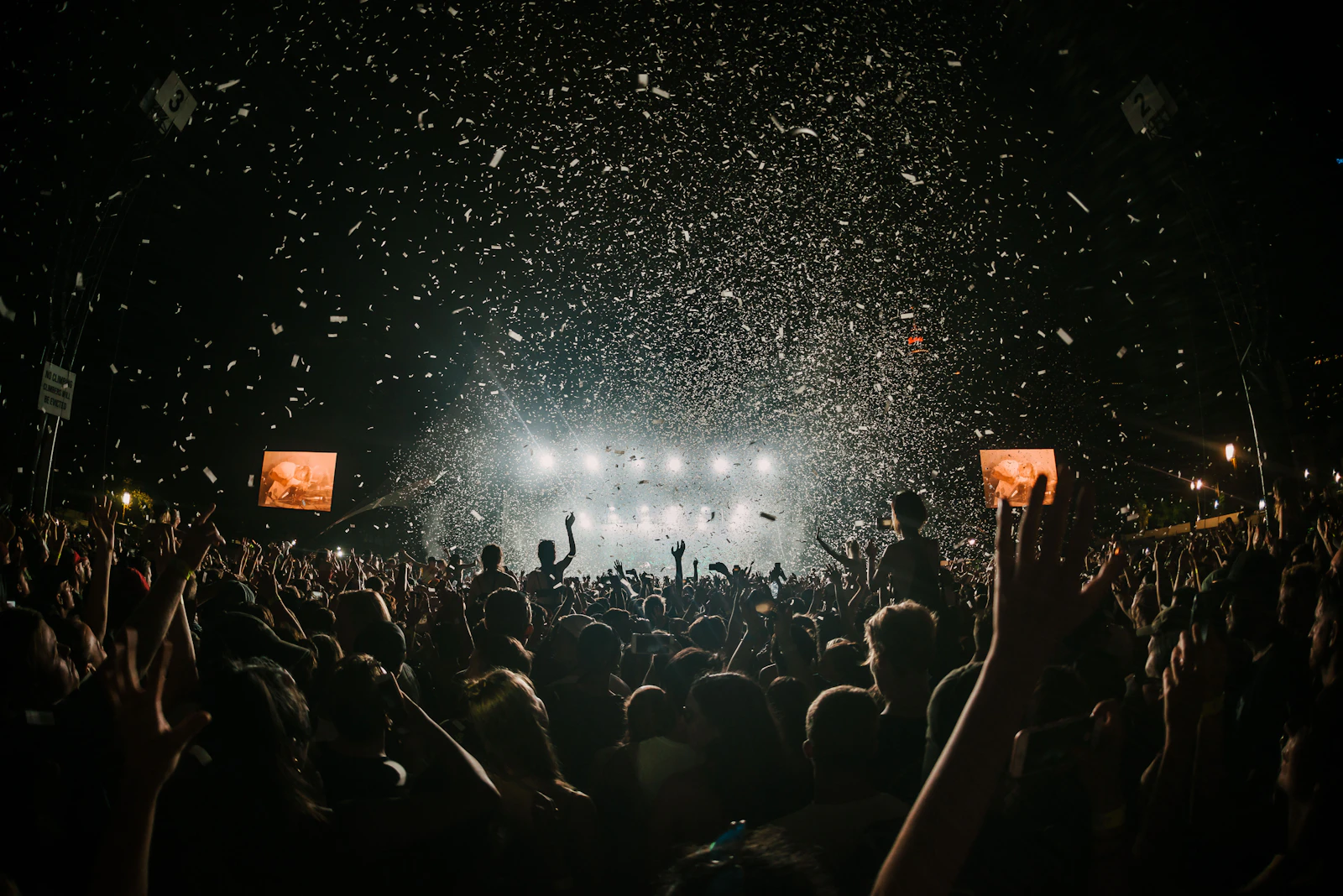
In the modern music business, the stadium stage is usually a neutral zone. When an artist reaches the level of headlining Gillette Stadium, they are no longer just a musician; they are the CEO of a multi-million dollar traveling enterprise. Every aesthetic choice is typically vetted through a lens of brand safety to ensure maximum sponsorship retention and ticket sales. This is why Zach Bryan’s recent decision to wear a shirt featuring pro-Palestinian messaging during his performance at the home of the New England Patriots represents a significant departure from the industry’s standard risk-mitigation playbook.
Bryan’s move arrives at a moment of heightened sensitivity for live entertainment stakeholders. Only days ago, the industry watched as Macklemore was removed from a high-profile tour circuit following public political statements. While the scale and genre differ, the underlying tension remains the same: how much friction can a performer introduce before the business infrastructure—insurers, venue owners, and corporate partners—begins to push back? For most, the answer is 'very little.' For Bryan, the math may be different.
Bryan has built his career on a foundation of perceived authenticity and a willingness to bypass traditional Nashville power structures. This independence gives him a unique form of leverage. Unlike artists who rely on heavy radio promotion or intricate corporate synergy, Bryan’s revenue model is driven by a fiercely loyal direct-to-consumer fanbase. This fan equity serves as a hedge against the kind of institutional fallout that recently sidelined Macklemore. When the artist owns the connection to the audience, the intermediary’s power to enforce silence diminishes.
However, the venue for this statement adds a layer of complexity. Performing at a stadium owned by Robert Kraft—a figure deeply involved in philanthropic and political efforts that often run counter to the sentiment on Bryan’s shirt—highlights the inherent contradictions of the modern touring economy. The live music industry is currently a web of conflicting interests where the personal brand of the performer often clashes with the institutional values of the infrastructure providers.
Ultimately, this isn’t a story about a shirt; it is a story about the durability of the 'outlaw' business model. Bryan is betting that his commercial momentum is large enough to withstand the political polarization that makes promoters nervous. As long as the ticket scans continue to trend upward, the industry will likely tolerate the friction. But in a post-consensus culture, every political gesture is a stress test for the bottom line, proving that even at the highest levels of the entertainment economy, the spotlight is never truly neutral.
One essay. Every Friday. From operators who actually run things.
Join thousands of founders, partners, and operating leaders. No filler. Unsubscribe anytime.
Reader notes
0 NotesSign in to comment. Comments are signed and public.
Sign in →