Execution
Why You Should Prepare Your Tech Stack for Off-Planet Latency
Google’s move to space-based AI centers isn't just about solar power; it's a forcing function for radical efficiency in remote edge computing and data sovereignty.
Numerous Times Execution Desk
Operating playbooks that compound
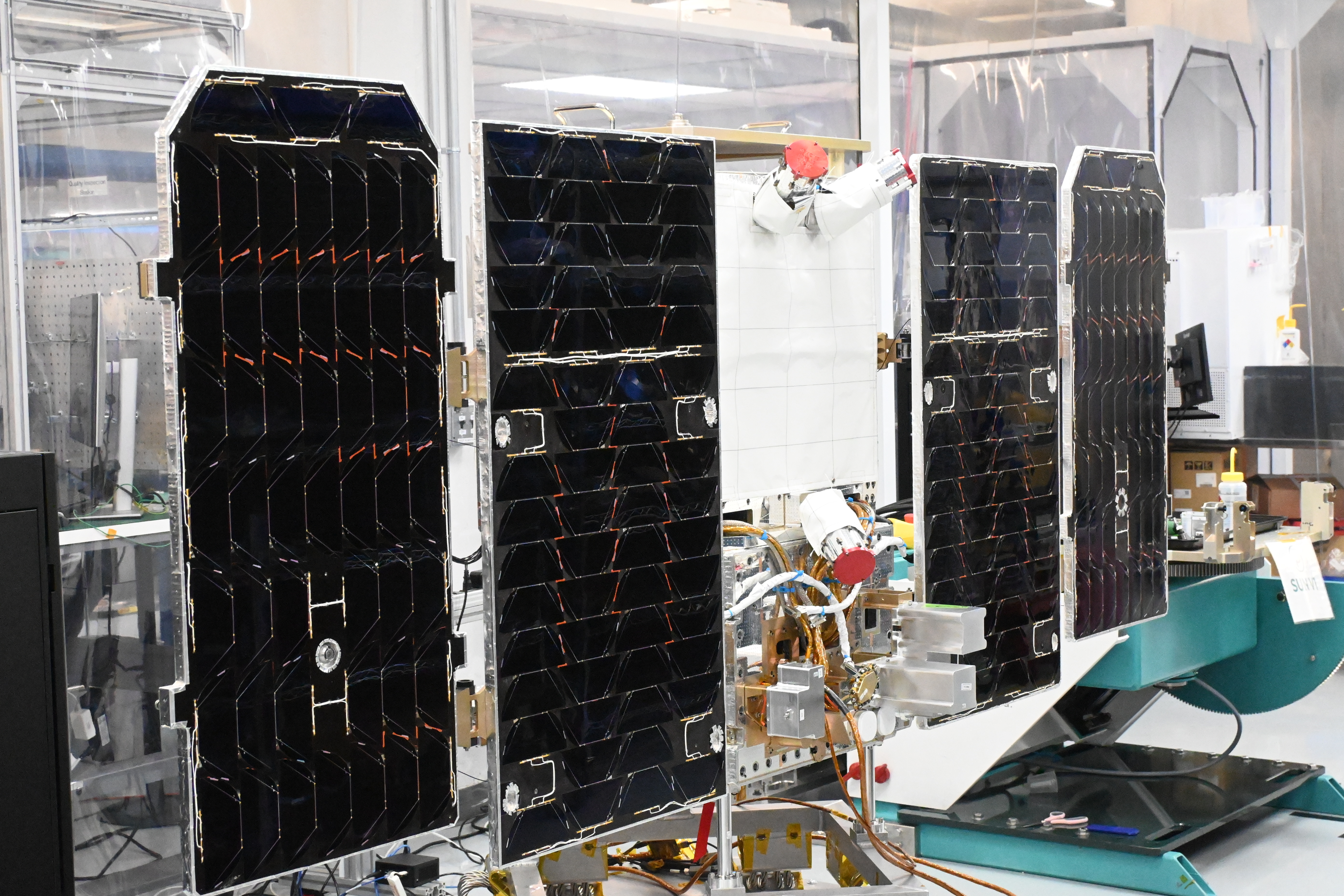
The announcement of Project Suncatcher, a dedicated effort to house AI chips on satellite hardware, is often discussed in the context of renewable energy and sustainability. For the execution-minded leader, however, the solar energy hook is the least interesting part of the equation. The real story is the operational discipline required to run high-performance compute in an environment where maintenance is impossible and bandwidth is a luxury. This is the ultimate test of edge computing, and the lessons learned here will dictate how we build terrestrial systems for the next decade.
When you move your processing to a fridge-sized unit in orbit, you lose the safety net of the modern data center. You cannot simply swap a failing drive or add another rack of servers to solve a bottleneck. The engineering constraint shifts from scalability to extreme reliability. If you are building software today, you must start thinking about the 'disconnected state' as a primary feature rather than a bug. Most enterprise applications are bloated with dependencies that require constant pings to a central server. Space-based AI forces a return to lean, local execution. The playbook for Monday is clear: audit your mission-critical workflows and identify which ones break if your latency increases by a factor of ten. If a ten-second delay in data synchronization collapses your logic, your architecture is too fragile for the next era of infrastructure.
Furthermore, this move signals a shift in how we handle data sovereignty and physical security. A server in space is physically inaccessible to unauthorized personnel, providing a new tier of cold storage and secure processing. For industries like defense or high-frequency finance, the physical isolation of the hardware becomes a competitive moat. You aren't just buying compute power; you are buying a degree of separation from terrestrial interference.
However, the execution risk remains high. Operating AI chips in space requires sophisticated thermal management—radiating heat away in a vacuum is notoriously difficult compared to using liquid cooling or fans on Earth. Developers should watch how these systems handle 'throttling.' We will soon see a new generation of power-aware code that adjusts its complexity based on the available thermal overhead of the hardware. Start training your engineers to write code that prioritizes efficiency over raw speed. The goal is no longer to be the fastest; it is to be the most resilient under the harshest possible constraints. The companies that thrive will be those that treat their local environments as if they were as isolated as a satellite, building robust, self-contained systems that don't rely on a permanent umbilical cord to the cloud.
One essay. Every Friday. From operators who actually run things.
Join thousands of founders, partners, and operating leaders. No filler. Unsubscribe anytime.
Reader notes
0 NotesSign in to comment. Comments are signed and public.
Sign in →