Execution
The Upstream Windfall: Why Record Crude Profits Are an Operational Stress Test
Global energy giants are posting massive earnings as geopolitical conflict drives crude prices higher, forcing a choice between immediate payouts and long-term supply.
Numerous Times Execution Desk
Operating playbooks that compound
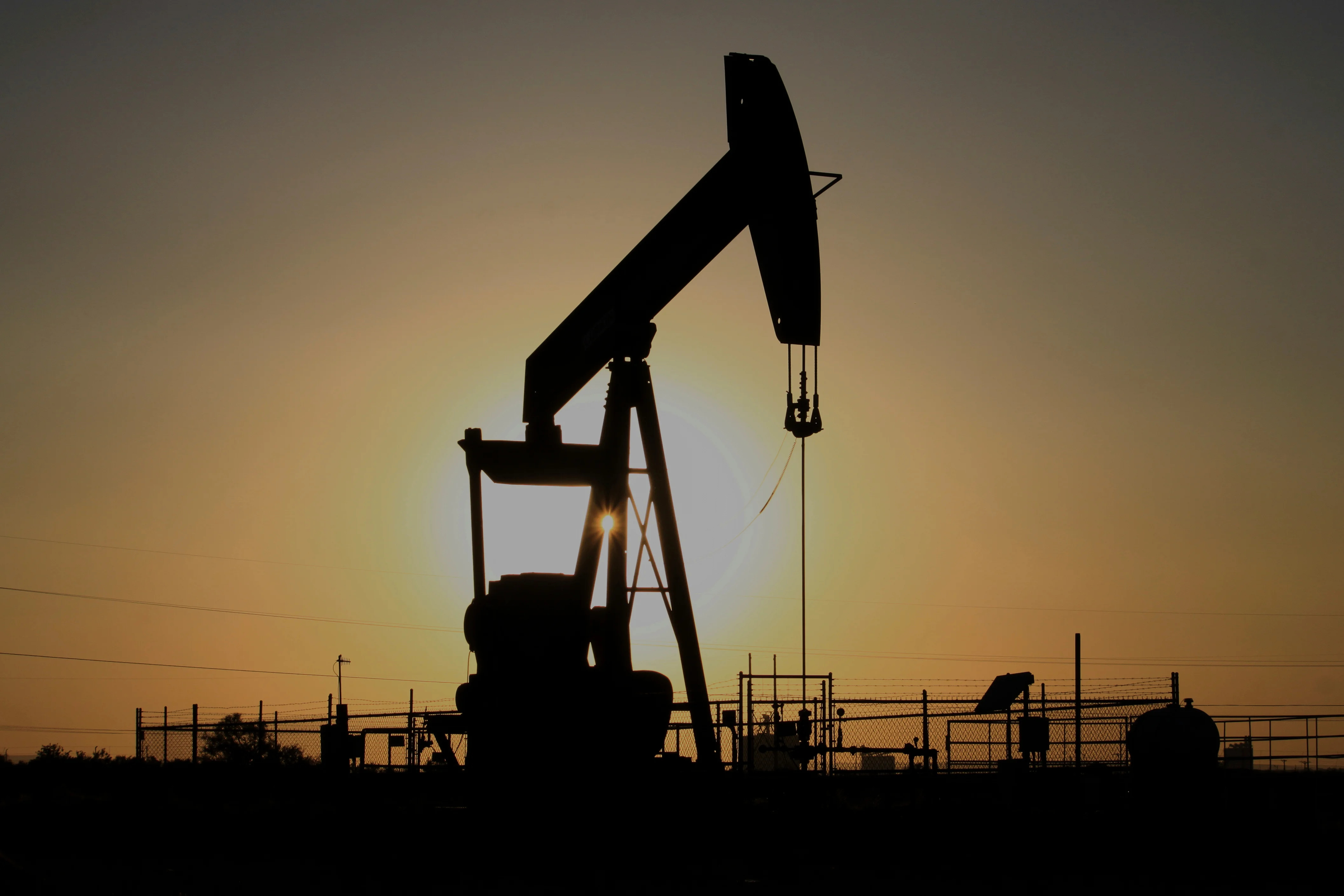
The global energy sector reached a new financial milestone this quarter as the industry's largest players reported a surge in net income fueled by rising crude prices. This earnings expansion, confirmed in recent corporate filings, marks a significant shift in the balance sheets of major oil producers following a period of relative price stability. The primary catalyst is the escalating military conflict involving Iran, which has disrupted supply expectations and injected a heavy risk premium into the world's energy markets. As Brent crude stays elevated, the resulting cash flow is pouring directly into the coffers of firms that have spent the last three years tightening their operational belts.
To understand the current scale of these profits, one must look at the structural pivot these companies made following the 2020 market collapse. During the downturn, the industry aggressively cut capital expenditures and streamlined extraction costs. These companies are now operating on a much lower breakeven point than they were a decade ago. When external shocks—like the current instability in the Middle East—drive the price at the pump higher, the margin between production cost and market price widens into a chasm. The result is a windfall that reflects not just market volatility, but a leaner, more disciplined operating model that maximizes every dollar of a price spike.
For the executive desk, these numbers matter because they create a complex capital allocation problem. While shareholders are demanding record buybacks and dividends, the political pressure to lower consumer costs is mounting. Internally, the challenge is resisting the urge to over-invest in high-cost projects that may not be viable if regional tensions ease. In a commodity business, the most dangerous time for an organization's health is often when it has too much cash; the discipline required to keep overhead low during a boom is significantly higher than during a bust. The current profit levels are a test of whether these firms have truly escaped the boom-and-bust cycle of historical overspending.
Moving forward, the primary metric to watch is the ratio of dividend payments to new exploration spending. If firms continue to prioritize returning cash to investors over starting new drilling projects, the supply-demand imbalance will likely persist, keeping prices high regardless of geopolitical developments. Additionally, watch for how these companies navigate the public relations friction of high gas prices. As they prepare for the next round of earnings, the focus will shift from how much they made to how effectively they are insulating their operations against an eventual, and inevitable, cooling of the market.
One essay. Every Friday. From operators who actually run things.
Join thousands of founders, partners, and operating leaders. No filler. Unsubscribe anytime.
Reader notes
0 NotesSign in to comment. Comments are signed and public.
Sign in →