Execution
The Surveillance Stack: Why Hardware Density Beats Selective Policing
San Francisco’s crackdown on vehicle crime reveals how automated data capture creates a compounding deterrent that manual enforcement cannot replicate.
Numerous Times Execution Desk
Operating playbooks that compound
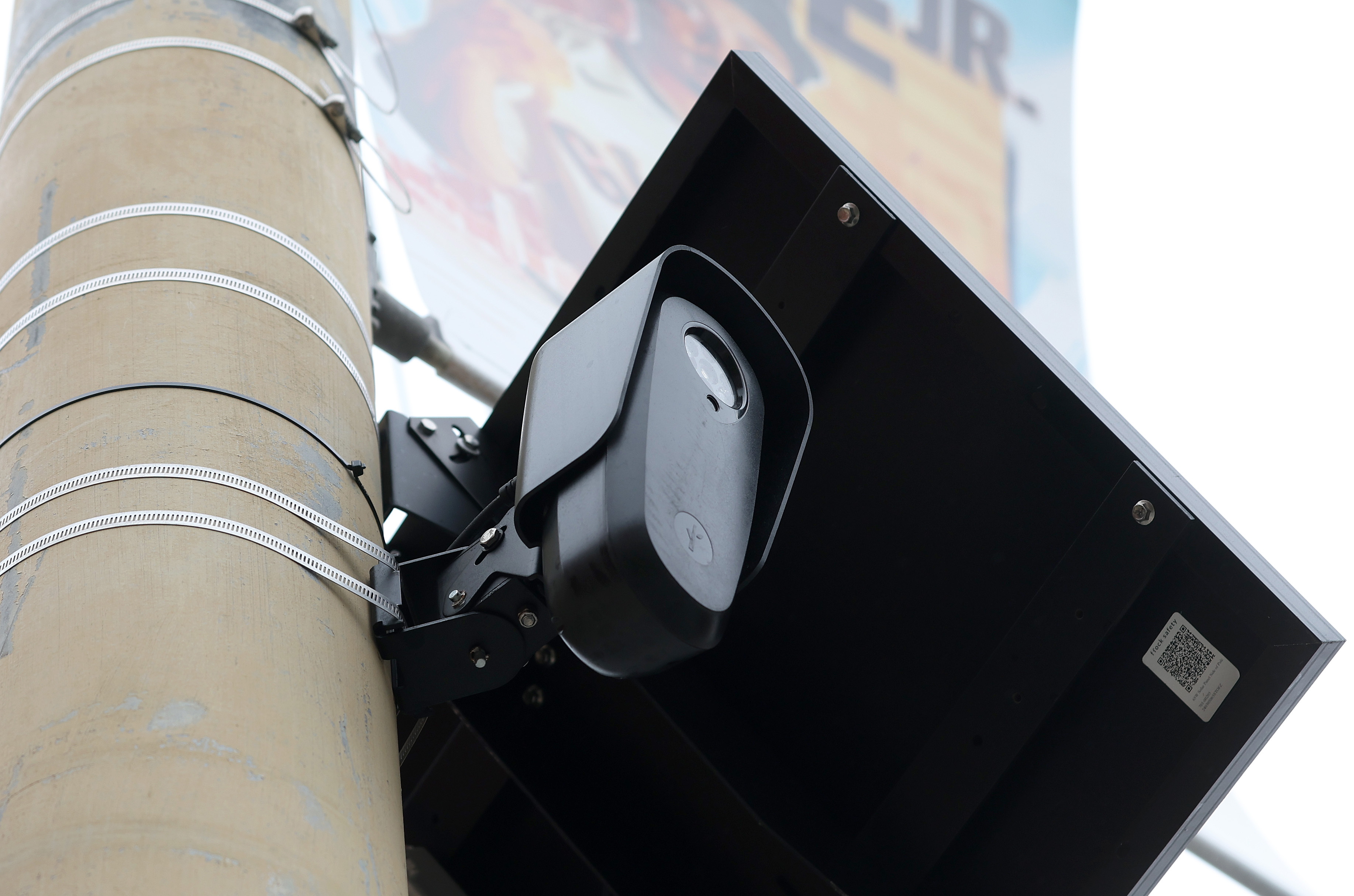
High-level strategy often fails because it underestimates the logistical friction of enforcement. For years, metropolitan areas have struggled with property crime not due to a lack of intent, but due to a deficit of actionable, real-time data. The recent shift in San Francisco’s approach to auto burglary and theft illustrates a fundamental operational pivot: moving from reactive patrolling to high-density automated capture. By deploying an extensive network of automated license plate readers, the city has essentially built a passive audit log of movement that replaces the fallible human eye.
From an execution standpoint, the success of this system relies on density over quality. A single high-definition camera at a major intersection is less valuable than twenty lower-resolution sensors distributed across every possible egress point. The goal is to eliminate 'dark zones' where a vehicle can disappear after an incident. When the mesh is tight enough, the cost of committing a crime increases exponentially because the probability of being flagged at a chokepoint approaches certainty. This is the compounding effect of infrastructure; once the hardware is bolted to the poles, the marginal cost of monitoring another vehicle is near zero, whereas the cost of a police officer performing the same task remains prohibitively high.
However, the technical deployment is only half the battle. The real work happens in the integration of this data into dispatch workflows. If the camera captures a plate but the alert sits in a database for twenty minutes, the technological advantage is wasted. Execution excellence in this context means reducing the 'signal-to-arrest' latency. The most effective programs ensure that plate hits are instantly cross-referenced against stolen vehicle registries and broadcast to the nearest mobile unit without manual intervention. This creates a psychological deterrent: when offenders realize the city’s response time is governed by silicon rather than bureaucracy, the risk profile of the activity changes.
Critics focus on the civil liberties implications of a persistent digital dragnet, and these are valid operational risks regarding data retention and access control. But for the desk officer or the precinct commander, the playbook is purely about throughput. By automating the identification phase, police departments can reallocate their most expensive resource—human officers—to the high-stakes tasks of interdiction and investigation. The lesson for any leader managing a sprawling operation is clear: stop trying to make your people work faster and start building the automated infrastructure that makes their manual effort unnecessary. When you solve the detection problem at the hardware level, the enforcement problem becomes a simple matter of logistics.
One essay. Every Friday. From operators who actually run things.
Join thousands of founders, partners, and operating leaders. No filler. Unsubscribe anytime.
Reader notes
0 NotesSign in to comment. Comments are signed and public.
Sign in →