Execution
The Succession Playbook: Why Consistency Trumps Innovation in Leadership Transitions
Warren Buffett’s departure as chairman highlights a crucial operational truth: a legacy is maintained by protecting the culture, not by reinventing the wheel.
Numerous Times Execution Desk
Operating playbooks that compound
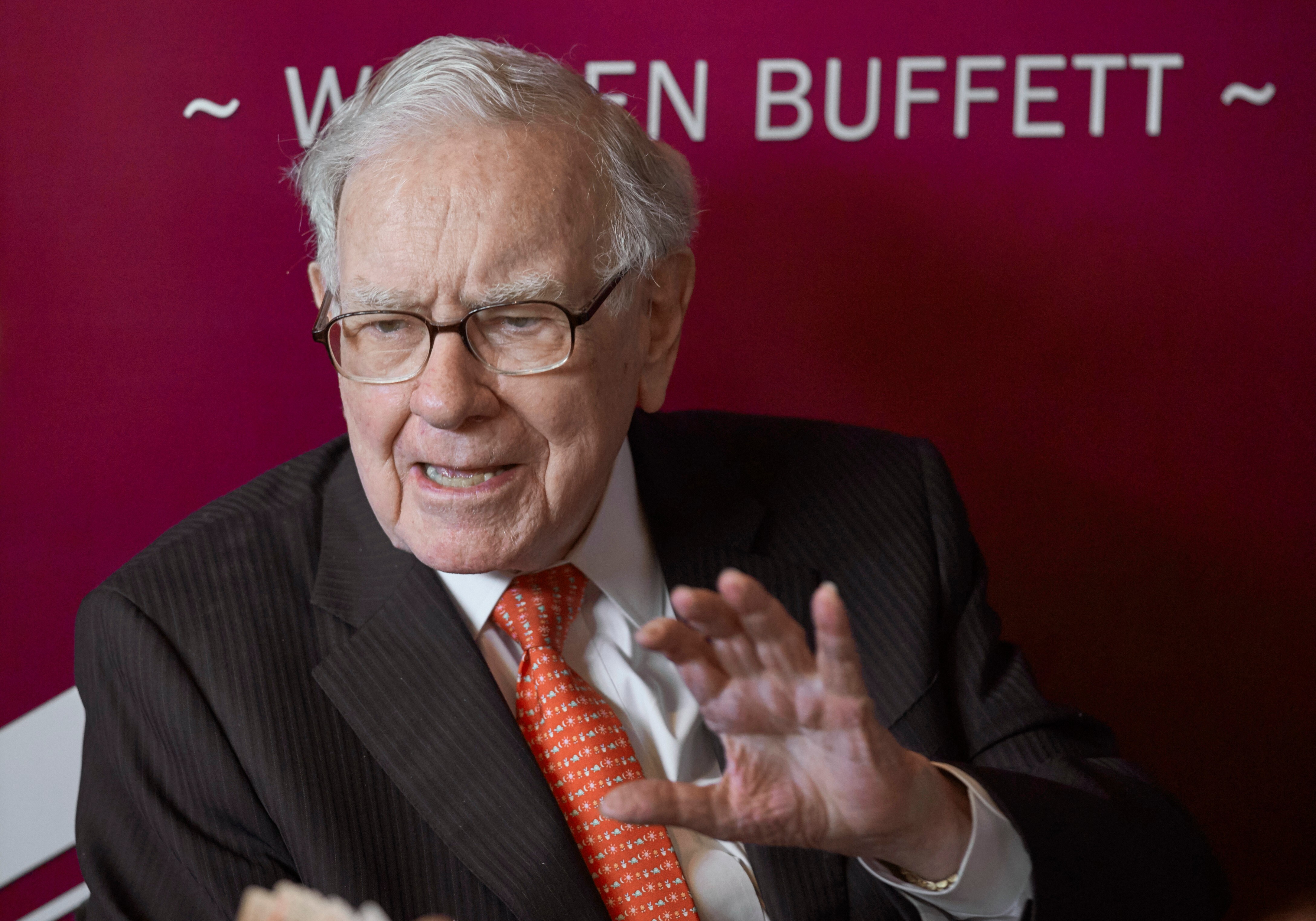
Transitioning leadership in a multi-decade enterprise is rarely about finding a visionary replacement. More often, it is an exercise in continuity. When a long-standing chairman departs, the immediate impulse for many boards is to seek a disruptor who can modernize the operation. However, at the highest levels of capital allocation and organizational governance, the goal is not to fix what isn't broken, but to institutionalize the specific logic that led to success in the first place. The shift at Berkshire Hathaway from a legendary founder to his son, Howard, serves as a blueprint for this conservative approach to power.
From an execution standpoint, this move is about risk mitigation rather than operational pivot. A company built on decentralized management and extreme trust requires a chairman who acts as a guardian of the 'social contract' between the holding company and its subsidiaries. By selecting a family member who has spent years observing the internal mechanics, the organization signal to its managers that the rules of the game will not change on Monday morning. In business, sudden changes in the top tier usually trigger a flight of talent or a shift in capital discipline. By prioritizing lineage and cultural preservation over a fresh external perspective, the organization ensures that the existing operating playbooks remain intact.
For most businesses, the lesson is clear: succession planning should be an audit of your core values. If your competitive advantage is your specific way of doing work—your hiring filters, your pricing logic, or your capital expenditure rules—then your successor’s primary job description is to be a custodian. You do not hire a new pilot to fly the plane in a different direction; you hire one who understands the instrumentation well enough to keep it on course during a period of potential turbulence.
This transition proves that the unglamorous work of 'staying the course' is actually a sophisticated strategic choice. It requires a quiet ego from the incoming leader to acknowledge that the system is greater than the individual. To execute this effectively, a board must value long-term stability over the short-term excitement of a new strategy. When the work is already compounding, the most effective management move is to simply get out of the way and let the established mechanics continue to function. The true measure of a leader’s legacy is not how much they changed the company, but how well the company functions after they are gone without needing to change at all.
One essay. Every Friday. From operators who actually run things.
Join thousands of founders, partners, and operating leaders. No filler. Unsubscribe anytime.
Reader notes
0 NotesSign in to comment. Comments are signed and public.
Sign in →