Founders
The Silent Friction of Global Compliance
As the barriers to app store entry rise, independent developers are finding themselves stranded in an administrative no-man’s land.
Numerous Times Founders Desk
The first ten years, in the founder's voice
There is a specific kind of exhaustion that comes from being told you do not exist by an automated system. For the modern software builder, the greatest hurdle is no longer the complexity of the codebase or the volatility of the market; it is the increasingly opaque wall of identity verification. We are witnessing a fundamental shift in how digital platforms treat the individuals who populate them. The era of the basement tinkerer who ships code to millions has been replaced by an era of grueling bureaucratic audits, and the human cost is becoming impossible to ignore.
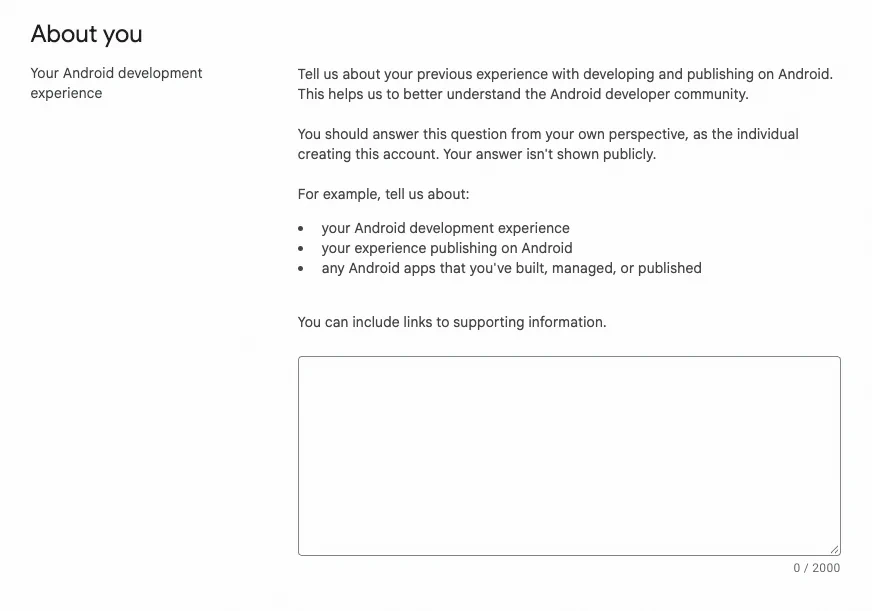
When we talk about the friction of the Android ecosystem lately, we are talking about a breakdown in the social contract between the platform and the operator. The promise was simple: build something useful, and we will give you the rails to distribute it. But that promise is curdling under the weight of mandatory verification programs that seem designed for multinational corporations rather than the solo developer in a small apartment. When a builder is asked to provide documentation that their local government doesn't even issue, or when their account is flagged by a bot that offers no path for appeal, the work stops. The innovation stops.
This isn't merely an inconvenience; it is a displacement of the artisan class. I have watched builders spend weeks chasing notarized affidavits and utility bills in specific formats, time that should have been spent refining user interfaces or fixing security vulnerabilities. The cruelty of these systems lies in their indifference. To a massive platform, a rejected verification is a rounding error in a safety report. To the founder, it is the death of a project and the erasure of their professional identity.
We must ask what we lose when we make it this hard to be a person on the internet. If the gatekeepers demand that every developer mirrors the administrative infrastructure of a bank, we will only be left with products made by banks. The rough edges, the experimental utilities, and the hyper-local apps that solve specific community problems will simply vanish. They cannot survive the overhead of a compliance regime that treats every new entrant as a potential threat rather than a potential partner.
Building is an act of optimism. It requires the belief that your effort will result in something tangible and accessible. When the verification process becomes a labyrinth with no exit, that optimism dies. We need platforms that recognize the human behind the screen, not just the data points on a government ID. Until then, the most talented operators will continue to look at these walled gardens and decide that the cost of entry is simply too high to pay.
One essay. Every Friday. From operators who actually run things.
Join thousands of founders, partners, and operating leaders. No filler. Unsubscribe anytime.
Reader notes
0 NotesSign in to comment. Comments are signed and public.
Sign in →