Execution
The Precision of the Pause: Managing Through the Mechanics of Tone
The passing of Noah Adams marks the end of a specific operational era in broadcast, offering a case study in how technical restraint builds a durable brand identity.
Numerous Times Execution Desk
Operating playbooks that compound
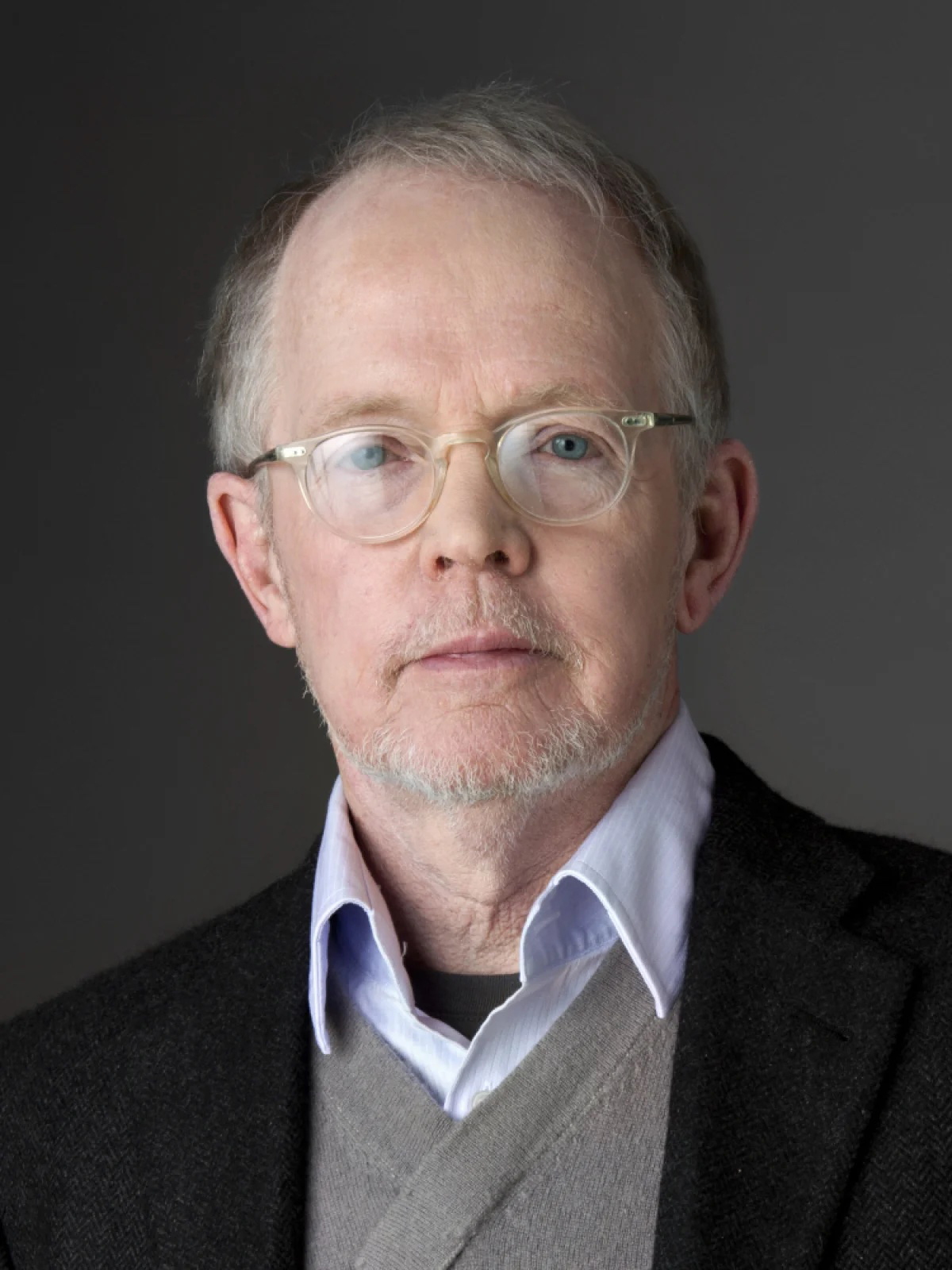
Noah Adams, the voice who anchored NPR’s All Things Considered across several decades, has died. While his departure is a moment of cultural reflection for the public broadcasting sector, for those focused on the mechanics of execution, his career offers a technical blueprint on the unglamorous work of tone management. Adams did not just read scripts; he executed a specific sonic strategy that prioritized the economy of words and the deliberate use of silence to drive listener retention and trust.
To understand the execution behind this style, one must look at the broadcast environment of the late 20th century. At a time when commercial media was moving toward high-decibel, high-velocity delivery to capture attention, Adams and his contemporaries at the network moved in the opposite direction. They engineered a product based on the 'soft sell.' This wasn't an accident of personality; it was a deliberate operational choice to differentiate their information product in a crowded marketplace. By lowering the volume and slowing the cadence, they created a high-signal, low-noise environment that made complex information easier to digest for a commuting audience.
This matters to leaders today because it highlights the importance of 'voice' as an operational asset rather than a marketing flourish. In the current era of automated content and rapid-fire social communication, the mechanics of Adams’ delivery—specifically his ability to use the pause as a structural tool—are more relevant than ever. A pause in a broadcast is not dead air; it is a tactical beat that allows the audience to process the preceding data point. In business communication, whether in a board deck or a town hall, the failure to build in these processing windows leads to information fatigue and a breakdown in strategic alignment.
Adams’ work also demonstrates the compounding value of consistency. By maintaining a specific, predictable delivery over thirty years, he reduced the cognitive load on his audience. They did not have to calibrate to a new style every day; they could focus entirely on the substance of the reporting. This is the ultimate goal of any operational system: to make the process so seamless that it becomes invisible, leaving only the intended result.
Moving forward, the industry will be watching how legacy media entities attempt to institutionalize this kind of individual craft. The challenge for the next generation of executors is to determine if this level of intimacy can be replicated through standard operating procedures or if it relies entirely on the unique technical skills of a few individuals. As synthetic voices and AI-driven narration become standard, the human ability to manage tone with precision remains the highest-margin skill in the communication stack.
One essay. Every Friday. From operators who actually run things.
Join thousands of founders, partners, and operating leaders. No filler. Unsubscribe anytime.
Reader notes
0 NotesSign in to comment. Comments are signed and public.
Sign in →