Execution
The Post-Subsidy Playbook for Hard-Selling New Technology
When federal incentives vanish, companies must transition from tax-advantaged order-taking to the grueling mechanics of value-based sales and operational efficiency.
Numerous Times Execution Desk
Operating playbooks that compound
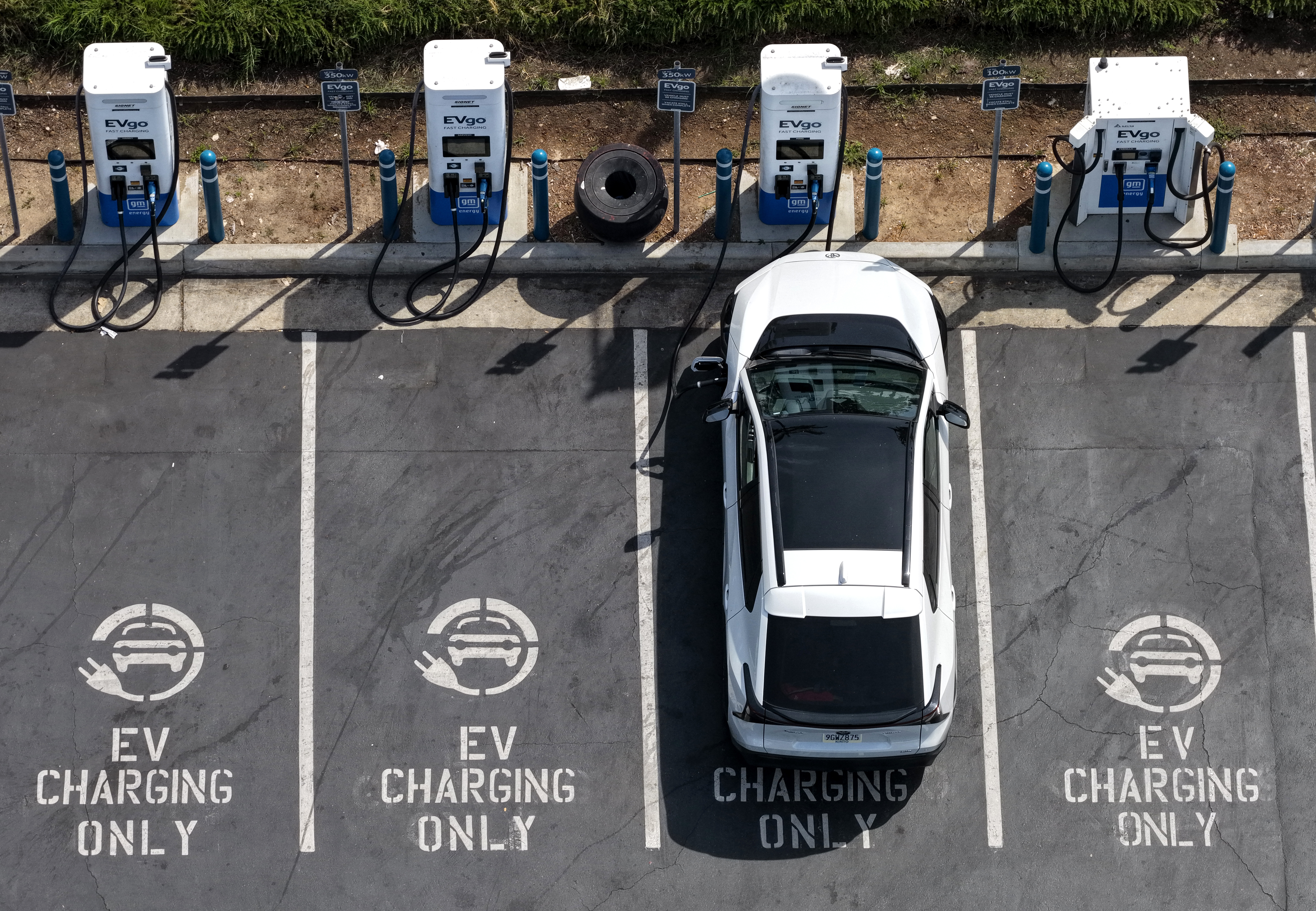
The removal of the $7,500 federal tax credit for electric vehicles was less of a market death knell and more of a forced graduation. For years, the sector operated on a subsidized high, where the government effectively handled the closing argument of every sales pitch. Now that the artificial floor has dropped, the industry is providing a masterclass in how to manage a product transition when the math suddenly changes for the end consumer. This is no longer a question of environmental sentiment; it is a question of unit economics and sales floor execution.
When a major subsidy disappears, the first casualty is usually the lazy salesperson. In a tax-credit environment, you don't sell the car; you sell the rebate. One year into the post-credit era, the survivors are those who have pivoted to selling total cost of ownership. This requires a rigorous training overhaul. Sales teams are now being equipped with localized utility rate data and maintenance schedules to prove out the long-term ROI in black and white. If you cannot show a buyer exactly how they recoup that missing seven grand through lower friction in their daily life, the deal dies on the lot. The work has shifted from processing orders to building financial models for wary middle-class buyers.
Operationally, the focus has moved upstream to the bill of materials. You cannot simply eat a $7,500 margin hit and stay solvent. The execution desk reality is that manufacturers are now aggressively auditing tier-two and tier-three suppliers to strip out every cent of excess cost. This isn't about 'innovation' in the abstract; it is about the unglamorous work of simplifying wiring harnesses, consolidating electronic control units, and negotiating bulk commodity hedges for battery minerals. The goal is to reach price parity with internal combustion engines through manufacturing discipline rather than legislative charity.
Inventory management has also undergone a radical shift. Without the subsidy to mask high MSRPs, luxury EVs are sitting, while accessible models move. Dealerships are having to learn the mechanics of high-velocity, lower-margin turns. This involves tighter coordination between regional demand signals and factory output to ensure they aren't paying floorplan interest on units that no longer have a government-backed discount to lure buyers. The lesson for any leader facing the end of a subsidy is clear: stop mourning the lost incentive and start optimizing the friction points. The future isn't determined by the tax code; it is determined by who can strip the most waste out of their delivery model on Monday morning.
One essay. Every Friday. From operators who actually run things.
Join thousands of founders, partners, and operating leaders. No filler. Unsubscribe anytime.
Reader notes
0 NotesSign in to comment. Comments are signed and public.
Sign in →