Founders
The Physics of the Floor
In the quiet labor of the expo hall, the founders of 2026 are trading the stage for a three-foot table and the chance to be truly seen.
Numerous Times Founders Desk
The first ten years, in the founder's voice
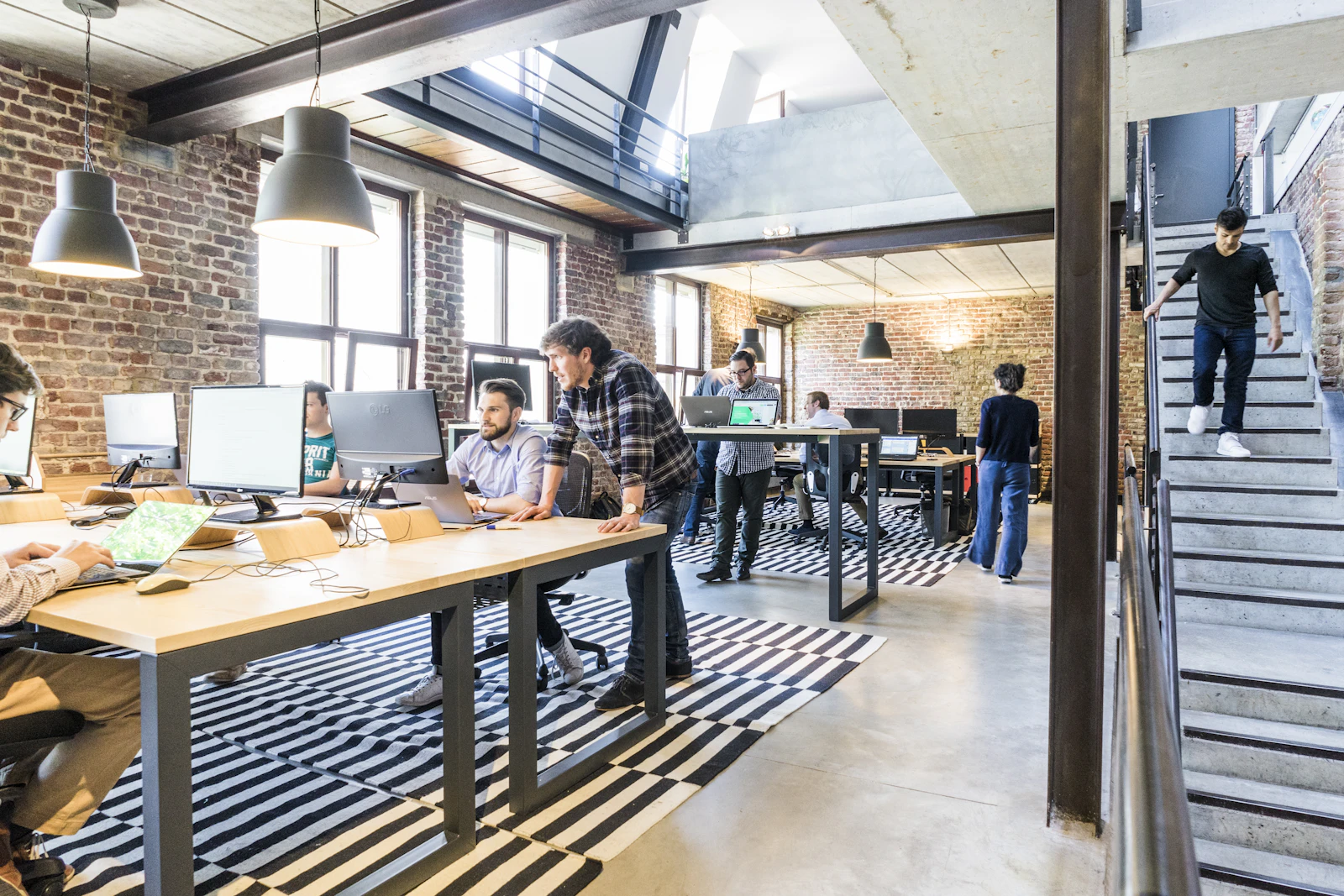
We have spent the last decade fetishizing the keynote. The tech industry, in its infinite desire for theater, has convinced a generation of builders that if you aren't standing under a spotlight with a rehearsed deck and a headset microphone, you aren't really in the room. But the room is larger than the stage, and the real work of company-building usually happens in the aisles, where the air is thinner and the stakes are human.
At the Moscone West come October, a specific class of founder will opt out of the velvet ropes. They are the operators who understand that a startup is not a performance, but a series of high-fidelity collisions. The expo floor is often dismissed as a cacophony of banners and branded pens, but for the disciplined builder, it is a laboratory for product-market fit. There is no filter between the person who wrote the code and the person who might actually pay for it. When you are standing behind a small table for three days, you cannot hide behind a PR firm or a pre-recorded demo. You have to look a skeptical engineer in the eye and explain why your architecture won't crumble under their load.
This is the grit of the exhibition. It is a grueling, physical exercise in narrative. A founder who takes a spot on the floor is betting on the density of the crowd rather than the height of the platform. They are looking for the serendipity that happens when an investor, tired of the scheduled programming, wanders into the back rows and sees a tool that actually solves a problem they heard about over breakfast.
Success in these halls isn't measured in applause, but in the specific, technical follow-up questions that lead to a second meeting. It is about the three-minute windows where a potential partner stops walking because something in your interface caught their eye. These are the people building the plumbing of the next decade—the infrastructure, the middleware, and the boring, essential services that keep the world turning. They don't need the artifice of a grand announcement. They need the friction of a real conversation. As the 2026 circuit approaches, the smartest move isn't necessarily reaching for the mic; it’s staking out a few square feet of carpet and proving that what you’ve built can survive the scrutiny of a passerby.
One essay. Every Friday. From operators who actually run things.
Join thousands of founders, partners, and operating leaders. No filler. Unsubscribe anytime.
Reader notes
0 NotesSign in to comment. Comments are signed and public.
Sign in →