Field Notes
The Outsider Gambit: Independent Challenges Reshape the Map for Control of the Senate
Democratic strategists are increasingly viewing non-partisan candidates in deep-red states as a viable mechanism for eroding the Republican path to a majority.
Numerous Times Politics Desk
The 2026 midterm elections, race by race
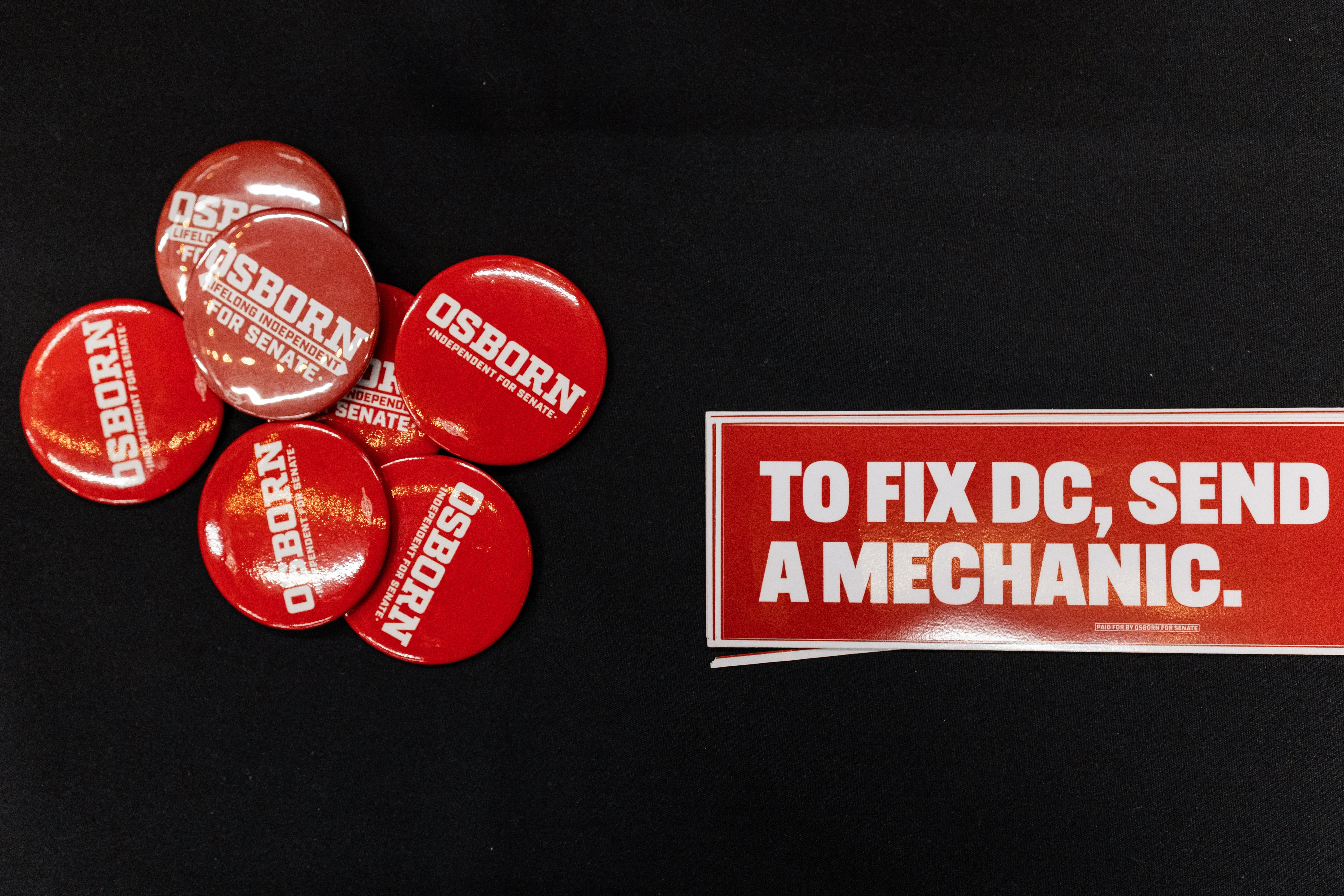
In the intensifying battle for the 2026 midterm cycle, a strategic shift is taking hold in the Northern Plains and the Mountain West. As Democrats defend a precarious map to maintain influence in the Senate, the party is increasingly looking toward independent candidates in Nebraska and Montana as potential spoilers for Republican incumbents. This tactical pivot comes as traditional Democratic branding faces significant headwinds in rural and conservative-leaning states, leading some party operatives to conclude that the most effective way to block a Republican majority is to step aside for non-aligned challengers.
The dynamic is most visible in states where the Democratic label has become a liability despite shared interests between the party and local voters on specific issues. In Nebraska and Montana, independent candidates are positioning themselves as populist alternatives to the GOP establishment, focusing on local economic autonomy and government transparency rather than the nationalized cultural debates that often dominate partisan primary cycles. For the Democratic National Committee and its affiliates, the dilemma is whether to field their own candidates—likely risking a split in the anti-incumbent vote—or to provide a quiet, indirect infrastructure for independents who can appeal to a broader cross-section of the electorate.
This development matters because it fundamentally alters the math for Senate control. If a Republican incumbent is forced into a competitive three-way race, or a one-on-one matchup against a candidate who does not carry the baggage of a national party platform, the GOP is forced to reallocate resources away from traditional swing states like Pennsylvania or Arizona. For the current administration, the success of this strategy could be the difference between a functional legislative agenda and two years of gridlock. If independent candidates were to win, they would hold outsized leverage as swing votes in a narrowly divided chamber, potentially demanding concessions that depart from both parties' standard playbooks.
What to watch next is the degree of formal cooperation between Democratic donors and these independent campaigns. Observers should look for whether the state Democratic parties in Montana and Nebraska choose to skip nominating a candidate altogether, as well as the flow of "dark money" into non-partisan political action committees. The success of this gambit hinges on whether these independent challengers can withstand the inevitable GOP framing that they are merely "Democrats in disguise." As the primary season approaches, the viability of these outsiders will be tested by their ability to maintain a distinct ideological identity while courting a coalition of disillusioned moderates and tactical liberals.
One essay. Every Friday. From operators who actually run things.
Join thousands of founders, partners, and operating leaders. No filler. Unsubscribe anytime.
Reader notes
0 NotesSign in to comment. Comments are signed and public.
Sign in →