Field Notes
The 'Messy Middle': Navigating the Overlooked Centrist Bloc Ahead of 2026
While partisan rhetoric dominates the airwaves, new data suggests the electorate maintains significant common ground on key issues facing the next Congress.
Numerous Times Politics Desk
The 2026 midterm elections, race by race
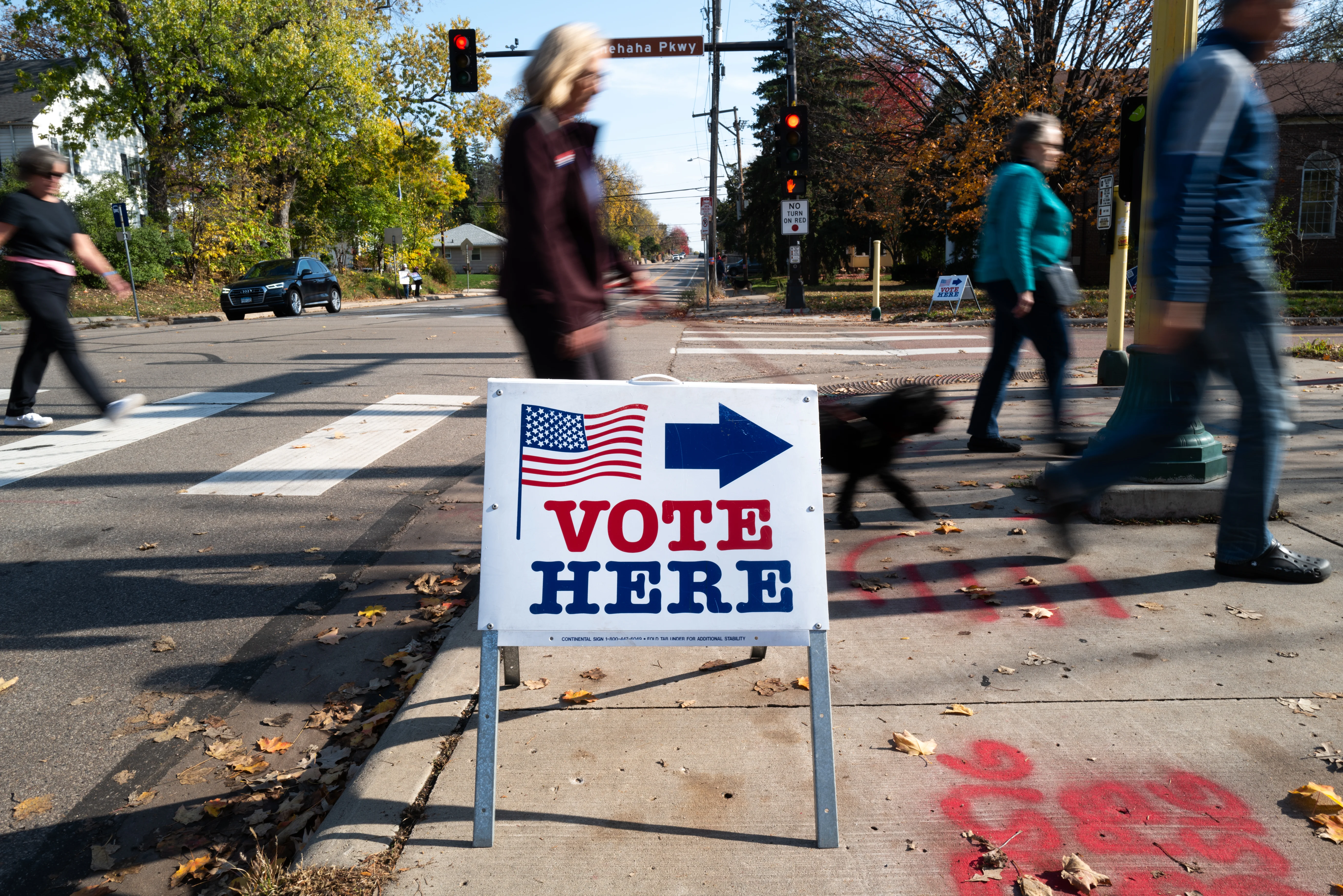
As the 2026 midterm cycle begins to take shape, the prevailing narrative of an irreconcilably divided America is facing fresh scrutiny from political researchers. Recent sociological data suggests that while the volume of partisan discourse has intensified, a substantial portion of the American electorate remains situated in a "messy middle." This demographic consists of voters whose views do not align neatly with rigid party platforms, creating a buffer that could determine the balance of power in both the House and the Senate. Understanding this cohort is essential for campaigns aiming to capture the swing districts that will ultimately dictate the legislative agenda for the remainder of the current administration's term.
The perception of extreme polarization often stems from the loudest voices in the primary process and on social media, yet internal polling and academic studies indicate that voters frequently overestimate the distance between their own views and those of the opposing party. On core issues such as healthcare costs, infrastructure investment, and certain aspects of economic stability, there is a surprising degree of overlap. For the Numerous Times Politics desk, this signifies that the 2026 races may not be won by those who move furthest to the flanks, but by candidates who can effectively communicate to this less-defined center.
This reality complicates the strategies of both major parties. For the administration, the existence of a centrist majority suggests that a legislative agenda focused on bipartisan consensus could yield dividends at the ballot box. Conversely, it poses a challenge for party leadership tasked with energizing the base without alienating the moderate voters who are often repelled by ideological purity tests. In battleground states like Pennsylvania, Arizona, and Georgia, where gubernatorial and Senate contests often serve as bellwethers for national sentiment, the ability to tap into this shared middle ground will be a decisive factor.
Why this matters for control of Congress is a question of margins. If candidates miscalculate and lean too heavily into divisive rhetoric, they risk ceding the middle to their opponents. Redistricting fights in several states have already narrowed the number of truly competitive seats; in those that remain, the "messy middle" holds the veto power over which party will hold the gavel. As the primary season approaches, observers should watch how candidates adjust their messaging on the economy and immigration. The key indicator will be whether campaigns shift toward pragmatic, solution-oriented rhetoric or continue to lean into the perceived divide. Tracking how these overlapping views translate into actual voting behavior will be the primary focus as the road to 2026 unfolds.
One essay. Every Friday. From operators who actually run things.
Join thousands of founders, partners, and operating leaders. No filler. Unsubscribe anytime.
Reader notes
0 NotesSign in to comment. Comments are signed and public.
Sign in →