Business
The Margin Shift in Matrimony: Why Logistics Are Replacing Luxury in Event Catering
As couples pivot to grocery store supply chains for high-stakes celebrations, the wedding industry faces a structural shift in how premium value is defined.
Numerous Times Business Desk
Strategy, capital, and operations
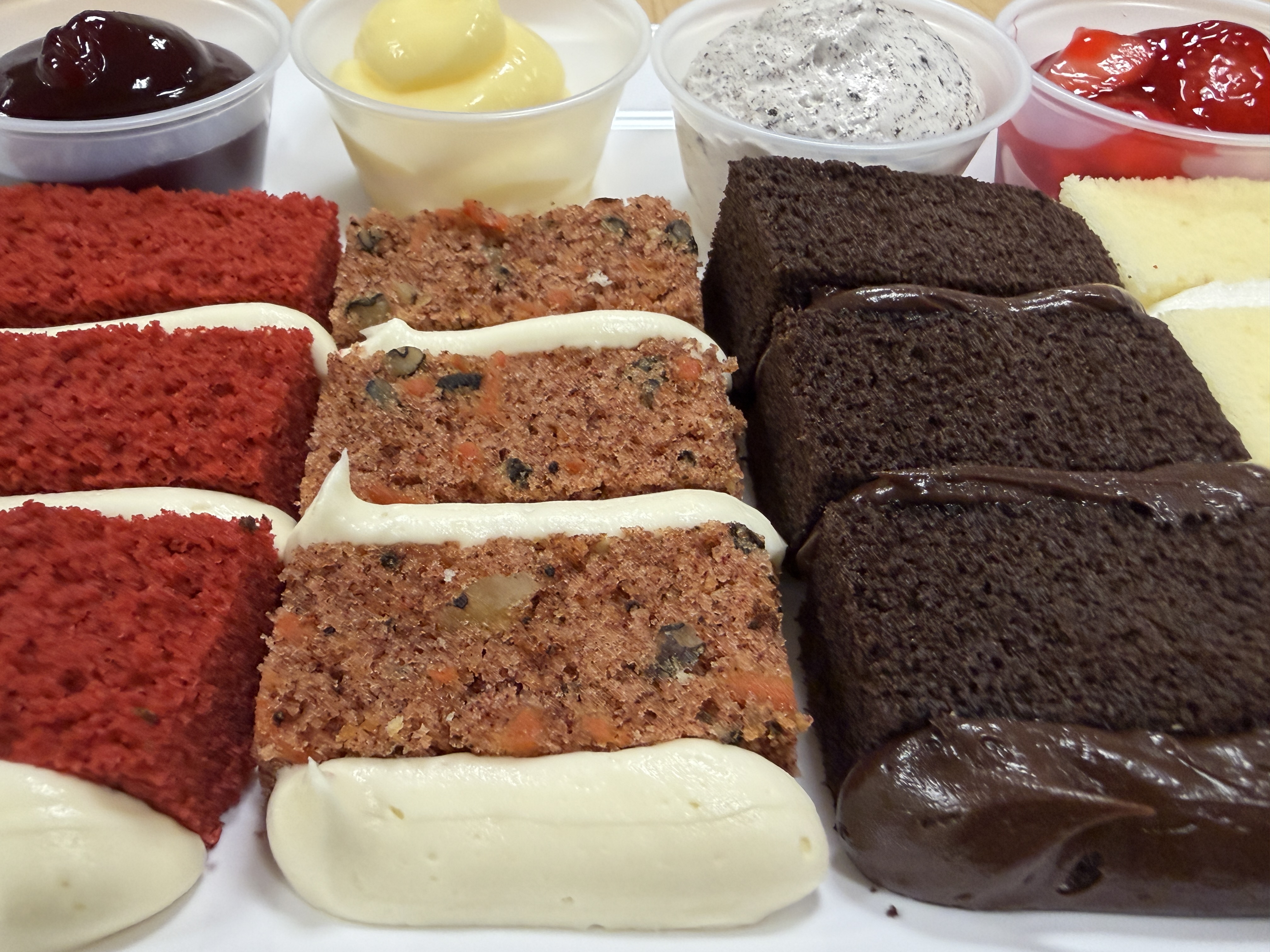
The traditional wedding industry is facing a quiet rebellion in the logistics of the reception. A growing segment of couples is decoupling the celebratory experience from the high-margin service providers that have long dominated the market. Nowhere is this more visible than in the dessert course. Data from wedding planning platform Zola indicates that approximately one-third of couples are now opting to bypass high-end bakeries in favor of supermarket supply chains. This shift from bespoke craftsmanship to mass-market efficiency represents a fundamental change in how event budgets are allocated.
For decades, the wedding economy operated on a premium pricing model. Once a vendor identified an event as a wedding, prices frequently surged, justified by the increased risk and the demand for perfection. Bakeries, in particular, capitalized on this by offering labor-intensive, multi-tiered designs that required specialized transport and onsite assembly. However, the macroeconomic environment has forced a recalculation. With inflation impacting discretionary spending and the cost of venues and traditional catering rising, couples are identifying areas where they can commoditize the experience without diminishing the perceived quality for guests.
This matters because it signals a breakdown in the "wedding industrial complex" branding power. When a couple chooses a cake from a regional grocery chain over a specialized boutique, they are making a cold calculation about the diminishing returns of luxury spending. The grocery store offers something a boutique cannot: a standardized, scalable product with a transparent price point and a robust distribution network. For the couple, the value proposition is simple: they are trading the prestige of a specific label for the reliability of a high-volume producer. This allows them to redirect those capital outlays toward fixed costs that offer higher utility, such as the open bar or the venue itself.
For professional operators and investors in the hospitality space, this trend suggests a bifurcation of the market. The middle-tier boutique is under threat. While ultra-luxury providers catering to the top one percent remain insulated, those serving the middle-class professional are seeing their margins squeezed by efficient retail giants.
What to watch next is how traditional vendors adapt their service models to compete with the reliability of big-box logistics. We should expect to see more boutique bakeries offering "drop-off only" tiers or simplified menus to compete on price, while grocery chains may begin to offer more robust customization packages to capture a larger share of the event pie. The question is no longer whether a wedding is expensive, but rather which parts of the ceremony are allowed to remain a commodity.
One essay. Every Friday. From operators who actually run things.
Join thousands of founders, partners, and operating leaders. No filler. Unsubscribe anytime.
Reader notes
0 NotesSign in to comment. Comments are signed and public.
Sign in →