Execution
The Margin of Fungi: Transitioning Fixed Agricultural Assets into Specialty Crops
A playbook for de-risking the pivot from high-overhead livestock operations to climate-controlled, high-yield mushroom cultivation using existing infrastructure.
Numerous Times Execution Desk
Operating playbooks that compound
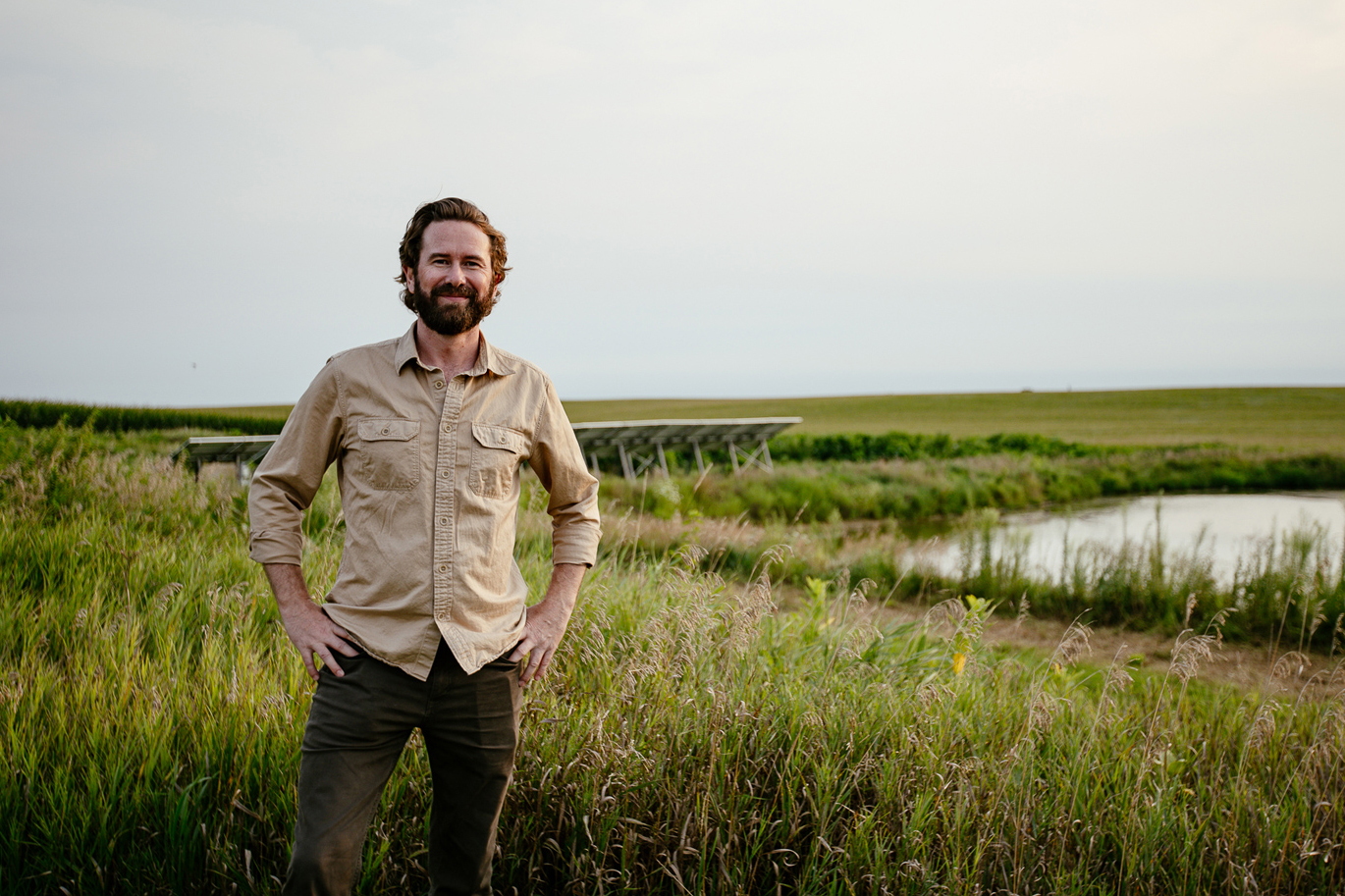
Converting a high-volume pig farm into a specialty mushroom facility is not a philosophical shift; it is a tactical redeployment of capital and climate control infrastructure. For decades, the Midwest agricultural model has relied on thin-margin, high-volume protein production. However, the overhead of industrial livestock—ranging from waste management liabilities to volatile feed pricing—often traps operators in a cycle of debt. The recent movement toward fungi production offers a blueprint for how farmers can reclaim their balance sheets by repurposing fixed assets.
The logic of the pivot rests on the physical properties of a barn. A facility designed to house thousands of hogs is, at its core, a shell for managing temperature, ventilation, and biological inputs. To transition, the operator must treat the building as a clean-room laboratory. The process begins with aggressive decontamination. Removing the biological residue of years of livestock production is the most labor-intensive phase, but it is the prerequisite for preventing mold contamination in the sensitive mycelium growth cycle. Once sanitized, the infrastructure that once managed animal heat can be tuned for the precise humidity required by oyster or lion’s mane varieties.
From an execution standpoint, the business model shifts from managing life cycles to managing batch turnover. A pig takes six months to reach market weight; a mushroom crop can cycle in a matter of weeks. This increase in velocity significantly improves cash flow, allowing for iterative testing of variety and price points. The labor requirement also shifts from heavy physical maintenance and waste handling to meticulous substrate preparation and climate monitoring. Instead of selling to global commodity buyers at price points dictated by the Chicago Board of Trade, the mushroom producer enters the high-margin specialty market, selling directly to wholesalers and high-end culinary outlets where the unit economics are far more favorable.
Scaling this transition requires a "modular" mindset. A savvy operator does not convert ten barns at once. They build a proof-of-concept in one bay, perfecting the substrate mix and the inoculation process before scaling. By utilizing vertical shelving, the output per square foot of a barn increases exponentially compared to the footprint of a pig. This is not about a return to the land; it is about industrial optimization. For the operator on the ground, the goal is to stop being a price-taker in the volatile meat market and start being a price-setter in the booming market for plant-based proteins and medicinal fungi. The farm remains an extraction machine, but the fuel is more efficient and the waste is virtually non-existent.
One essay. Every Friday. From operators who actually run things.
Join thousands of founders, partners, and operating leaders. No filler. Unsubscribe anytime.
Reader notes
0 NotesSign in to comment. Comments are signed and public.
Sign in →