Lifestyle
The Logic of the Room-Temperature Lunch
Max Rocha’s signatures at Café Cecilia provide a template for summer hosting that values thermal stability and prep-work over the theater of the stove.
Numerous Times Lifestyle Desk
How decision-makers actually live
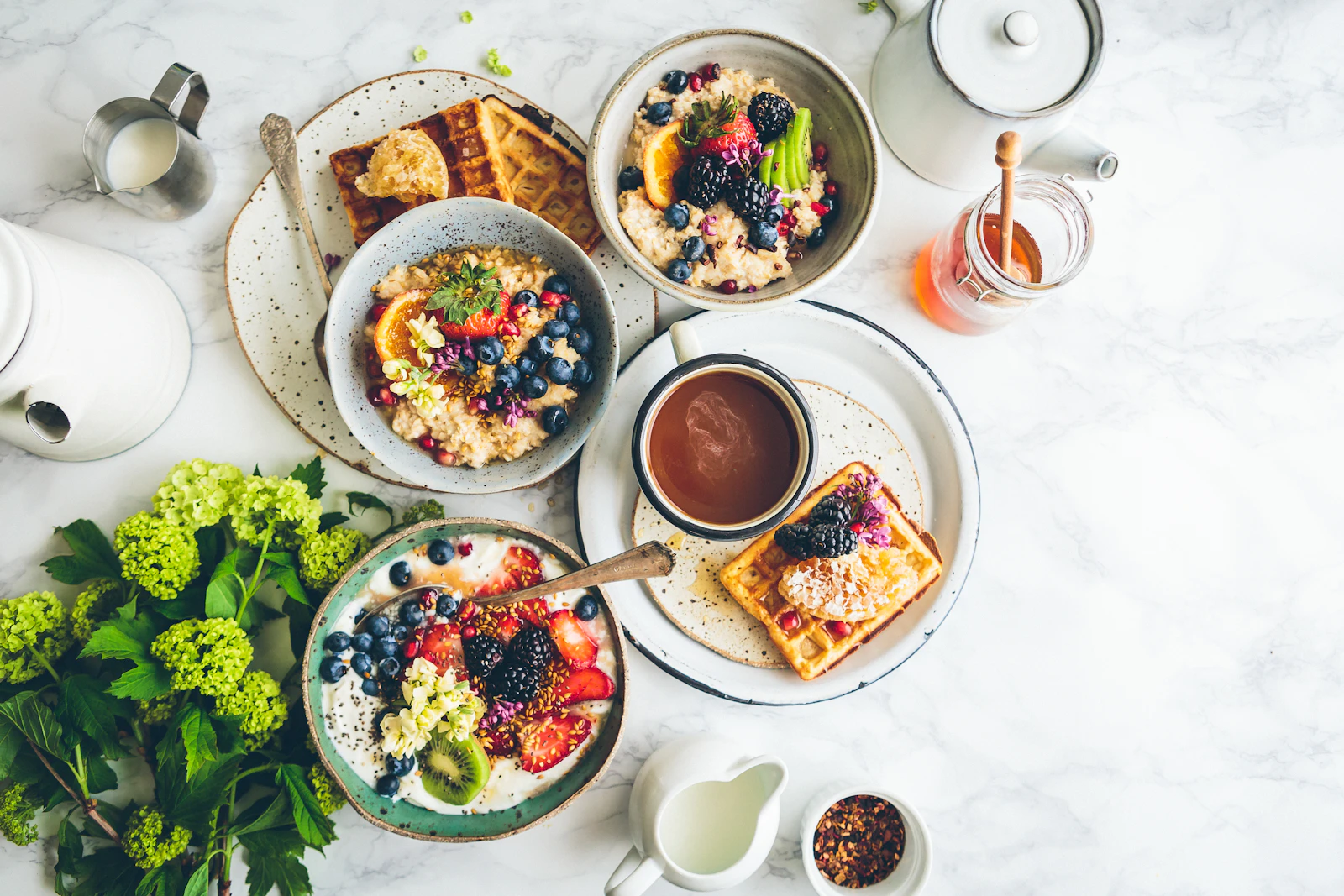
The persistent mistake of the summer host is the commitment to the hot plate. We have been conditioned to believe that hospitality is measured by the proximity of the food to the flame at the moment of service. But for those navigating a season defined by heatwaves and high-stakes schedules, the stove is an adversary. The most sophisticated way to eat right now is at room temperature, utilizing a method that favors the prep-heavy morning over the frantic hour before guests arrive.
At Café Cecilia, Max Rocha has mastered this particular frequency of dining. It is a style that acknowledges that if you are spending two hundred pounds on a bottle of white Burgundy, you do not want the experience ruined by the ambient heat of a kitchen working at full tilt. His reliance on dishes like confit trout or grilled courgette with stracciatella isn’t just about seasonal ingredients; it is about the engineering of a calm afternoon.
Confit, often associated with the heavy, winterized fats of duck, finds a new utility when applied to trout. Slow-cooking fish in oil at low temperatures creates a texture that is structurally sound enough to sit out without losing its integrity. Unlike a seared fillet, which begins a rapid decline into mediocrity the second it leaves the pan, a confit trout salad is stable. It is a dish that respects the host’s time. When paired with the sharpness of pickled elements or a bitter leaf, it provides a substantial meal that doesn’t demand the diner immediate attention. It waits for the conversation to finish.
Similarly, the interplay of grilled courgette and apricot represents a calculated balance of texture and thermal ease. By grilling the vegetables ahead of time and allowing them to mellow, you invite the smoke to deepen rather than dissipate. Adding the cold creaminess of stracciatella and the crunch of roasted almonds at the last second creates a dish that feels assembled rather than cooked. It is an architectural approach to lunch.
Scaling these dishes is a matter of simple arithmetic, not increased stress. Whether serving a table of two or twelve, the labor remains front-loaded. In a professional life defined by reacting to the demands of others, the ability to control the tempo of your own home is the ultimate luxury. We should stop trying to fight the heat with fire. Instead, we should embrace the thermal stability of the room-temperature table, where the food is ready when the guests are, and not a moment before.
One essay. Every Friday. From operators who actually run things.
Join thousands of founders, partners, and operating leaders. No filler. Unsubscribe anytime.
Reader notes
0 NotesSign in to comment. Comments are signed and public.
Sign in →