Execution
The Localist Resistance to Big Infrastructure in the American Heartland
In Ohio, a grassroots coalition is forcing a reckoning over land use and energy consumption as the rush to build massive data centers meets rural pushback.
Numerous Times Execution Desk
Operating playbooks that compound
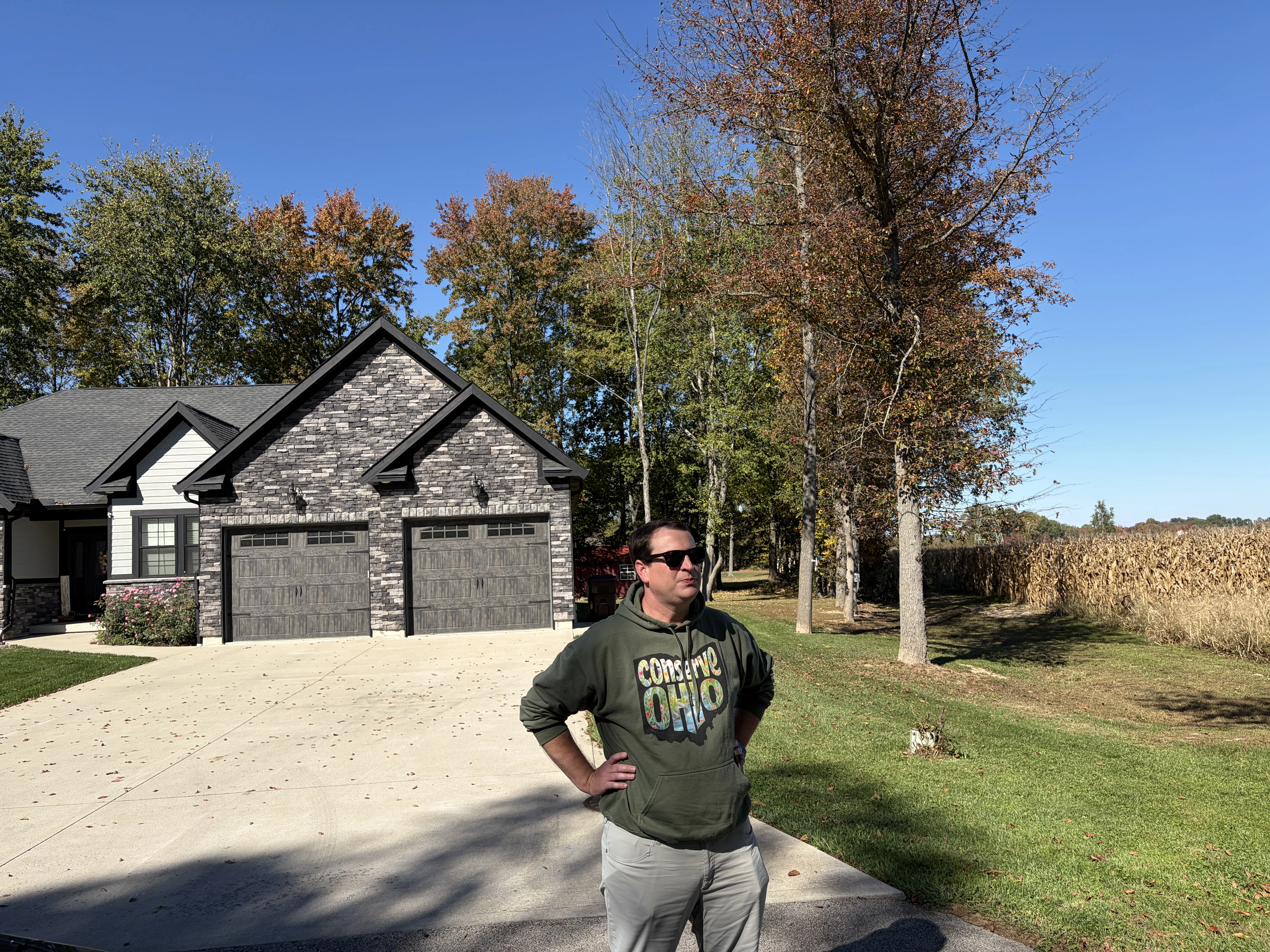
Local government officials and community organizers across Ohio are mounting a significant challenge to the rapid expansion of data centers in the state. This movement, led by an unlikely coalition of longtime rural residents and conservative activists, is gaining momentum as several major tech firms seek to transform thousands of acres of farmland into massive server farms. The conflict has reached a boiling point this autumn, moving from local zoning board meetings to the center of regional political campaigns.
For the last several years, Ohio has positioned itself as the logical destination for the massive infrastructure required to power the cloud and the emerging artificial intelligence sector. State leaders initially courted these projects with the promise of high-tech jobs and a diversified tax base. However, the sheer scale of the physical footprint required for these facilities—often involving millions of square feet and enormous water and energy requirements—has triggered a visceral response from residents who feel their way of life is being sold out to Silicon Valley interests.
From an execution standpoint, this matters because it represents a fundamental breakdown in the 'social license to operate.' For years, the playbook for large-scale infrastructure was to secure state-level tax incentives and then move through local permitting with minimal friction. That playbook is now broken. Local activists have become sophisticated in their understanding of grid capacity and noise pollution, using procedural delays to stall projects that previously would have been rubber-stamped. They are effectively weaponizing the bureaucratic process to protect the aesthetic and environmental integrity of their townships.
This shift is causing a tactical pivot for companies and developers. The friction is no longer just about the price of land; it is about the long-term political cost of occupying it. When a data center is built, it creates a permanent change in the local electrical load and water table. Residents are questioning why they should subsidize the utility infrastructure for multi-trillion-dollar corporations if it results in higher monthly bills or dried-up wells for the people living next door. In response, candidates across the political spectrum are distancing themselves from the 'growth at all costs' mantra to appease a wary electorate.
As we look toward the next quarter, watch for whether this resistance forces a change in how technology companies negotiate community benefit agreements. We should expect to see more projects offering direct investments in local schools or dedicated energy offsets as part of their initial proposals. The era of the invisible infrastructure project is over; in the new landscape, every megawatt added to the grid will be scrutinized by the neighbors who have to live alongside it.
One essay. Every Friday. From operators who actually run things.
Join thousands of founders, partners, and operating leaders. No filler. Unsubscribe anytime.
Reader notes
0 NotesSign in to comment. Comments are signed and public.
Sign in →