Founders
The Invisible Weight of Telegram’s Desktop Convenience
A critical flaw in the platform’s desktop architecture serves as a reminder that building for speed often creates unforeseen debt for the operators left in charge.
Numerous Times Founders Desk
The first ten years, in the founder's voice
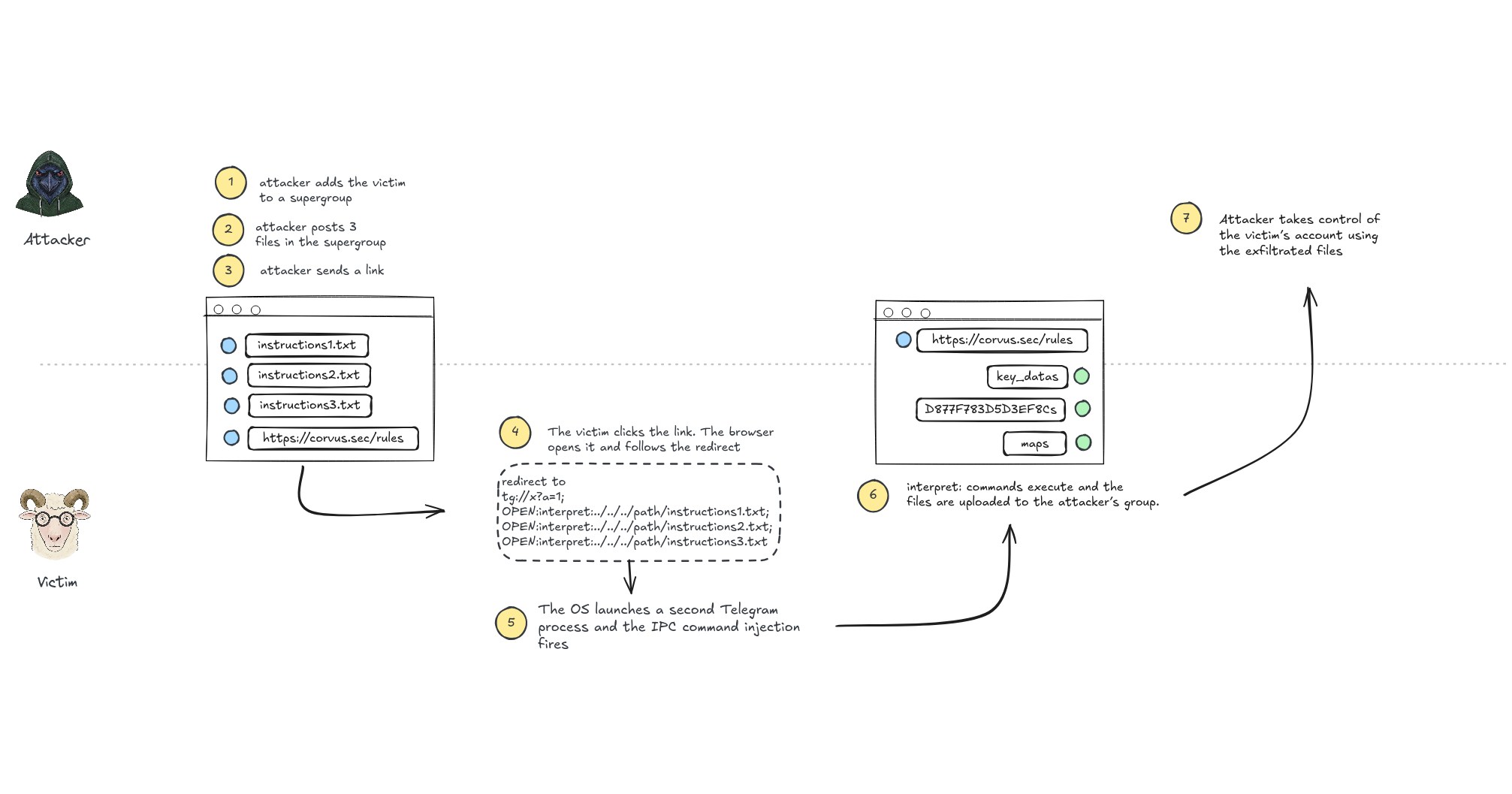
We often speak about software architecture as if it were a finished blueprint, but for the builders at Telegram, it is an evolving organism constantly wrestling with its own growth. The recent discovery of a significant vulnerability in the Telegram Desktop client—which theoretically allowed for unauthorized file access—isn't just a technical footnote. It is a moment that pulls back the curtain on the specific tensions felt by the engineers tasked with maintaining one of the world’s most used messaging bridges. When you build a tool that lives on a local operating system, you aren't just managing code; you are managing the precarious relationship between user convenience and the stubborn realities of file system security.
The developers behind the desktop experience face a unique set of constraints that their mobile-focused counterparts often bypass. Desktop environments are permissive by nature, designed to facilitate a level of file-handling and multitasking that mobile sandboxing forbids. For the Telegram operators, the challenge has always been providing a seamless, one-click experience while ensuring that the very mechanisms intended to speed up user interaction don't become a skeleton key for malicious actors. This recent flaw highlights the thin line between a feature that makes a power user’s life easier and a loophole that exposes their entire local environment. It is the kind of design trade-off that keeps lead developers awake at night, questioning whether the platform’s speed-first philosophy has outpaced its defensive perimeter.
Inside the engineering rooms, the response to such vulnerabilities is rarely about a single patch; it is about reconciling the vision of the founders with the day-to-day discipline of security. The people who built this client had to account for how various operating systems handle URI schemes and local attachments. When a vulnerability like this surfaces, it reflects a failure in how those external systems were expected to behave. It serves as a stark reminder that as Telegram matures into a primary workspace for millions, the stakes for the maintainers shift from providing a chat app to guarding a digital vault.
The builders here are tasked with a difficult paradox: they must make the software feel invisible to the user while making it impenetrable to the intruder. As they shore up these desktop vulnerabilities, the focus isn't just on the exploit itself, but on the culture of rigorous testing that must follow. For the teams behind the desktop builds, this is the hard, unglamorous work of modern software operation—fixing the cracks in the foundation while the building continues to climb higher. It is a testament to the fact that in the world of high-stakes messaging, the most important features are often the ones the user never sees.
One essay. Every Friday. From operators who actually run things.
Join thousands of founders, partners, and operating leaders. No filler. Unsubscribe anytime.
Reader notes
0 NotesSign in to comment. Comments are signed and public.
Sign in →