Execution
The Invisible Cost of Success: Defending Your Booking Engine from Leisure Fraud
As payment attacks against travel businesses hit multi-year highs, the difference between growth and insolvency lies in your manual review protocols.
Numerous Times Execution Desk
Operating playbooks that compound
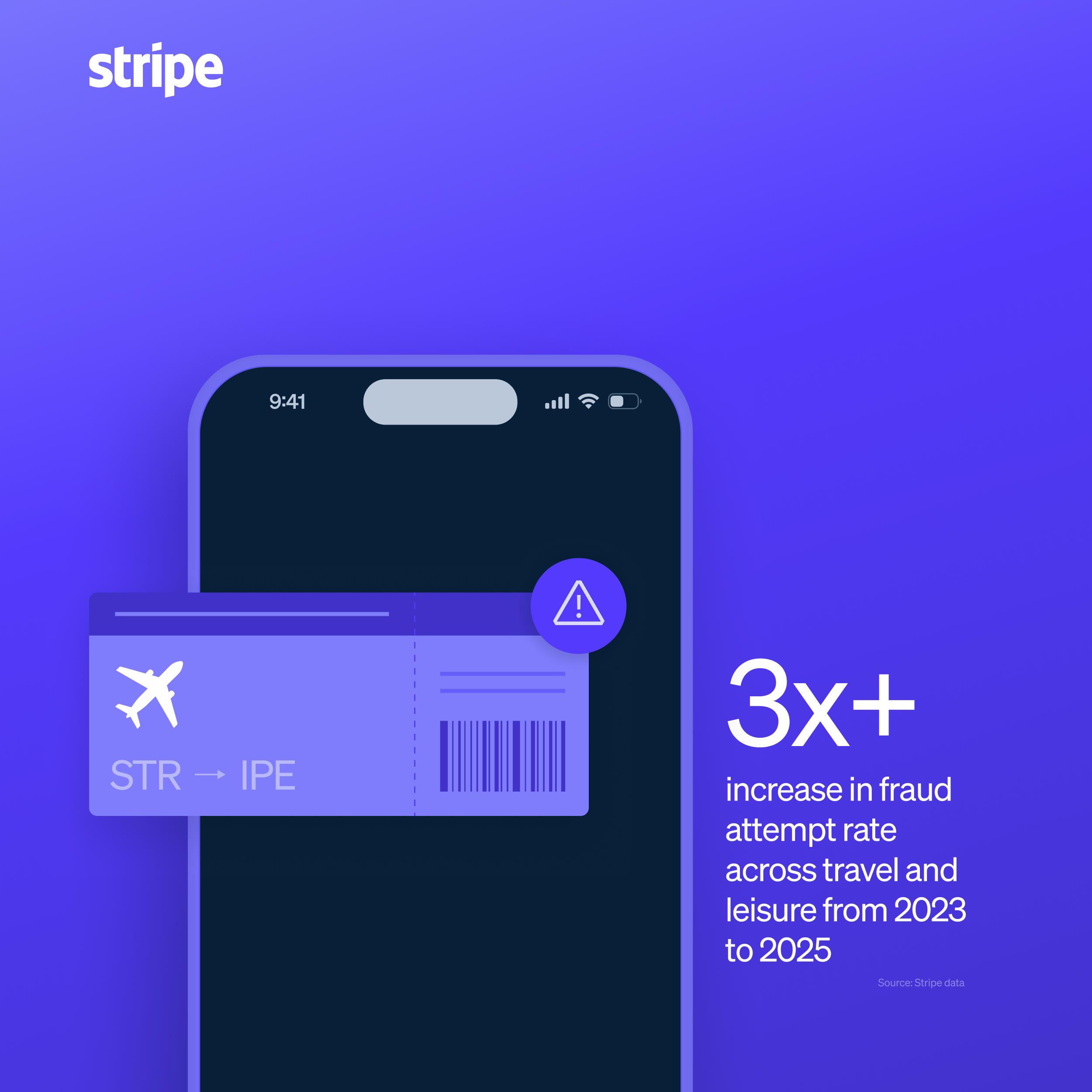
In the travel and hospitality sector, a surge in booking volume is usually a reason to celebrate. However, current data suggests that these peaks are increasingly accompanied by a sophisticated wave of transaction fraud. The industry is currently facing a four-year high in attack volume. For the operator, this isn't just a security concern; it is a fundamental threat to margins and merchant account health.
Fraud in travel is distinct because the product is perishable. Once a flight departs or a hotel night passes, the inventory is gone. If a chargeback hits thirty days later, the business has lost both the revenue and the opportunity cost of that seat or room. Most businesses respond by tightening their automated filters, but a blunt instrument approach often results in 'false positives'—rejecting legitimate customers and damaging the lifetime value of a traveler.
To manage this without killing conversion, you must implement a tiered defensive playbook. First, look at your metadata. Standard fields like email and credit card number are table stakes. You should be auditing the distance between the IP address of the booking and the departure airport, or the time elapsed between the booking and the travel date. Last-minute bookings for high-value services remain the highest risk category. If your system flags a transaction, your customer service team needs a specific script: do not just cancel the order. Request a secondary form of identification or a quick verification via a secure portal.
Second, refine your manual review queue. Many teams treat manual reviews as a backlog to be cleared. Instead, treat it as a data-gathering exercise. If you notice a cluster of fraudulent attempts coming from a specific geographic region or targeting a specific tour package, you should be able to update your blocklists in real-time. Speed is the only defense against automated bot attacks that test thousands of stolen cards in minutes.
Finally, understand the 'friendly fraud' loophole. This occurs when a customer enjoys the service but claims they never authorized the charge. The execution fix here is documentation. Ensure your check-in process requires a physical card swipe or a digital signature that matches the booking name. In the eyes of payment processors, a signature or a chip-read is worth more than a thousand pages of fine print in your terms of service. By treating fraud prevention as a core operational discipline rather than a back-office IT task, you protect the bottom line while maintaining a seamless experience for the 99% of customers who are actually there to enjoy the trip.
One essay. Every Friday. From operators who actually run things.
Join thousands of founders, partners, and operating leaders. No filler. Unsubscribe anytime.
Reader notes
0 NotesSign in to comment. Comments are signed and public.
Sign in →