Execution
The End of the Correspondent Banking Tax for Global Payouts
Stripe’s latest platform updates target the operational friction and regulatory hurdles that prevent fintechs from scaling across borders without a massive headcount.
Numerous Times Execution Desk
Operating playbooks that compound
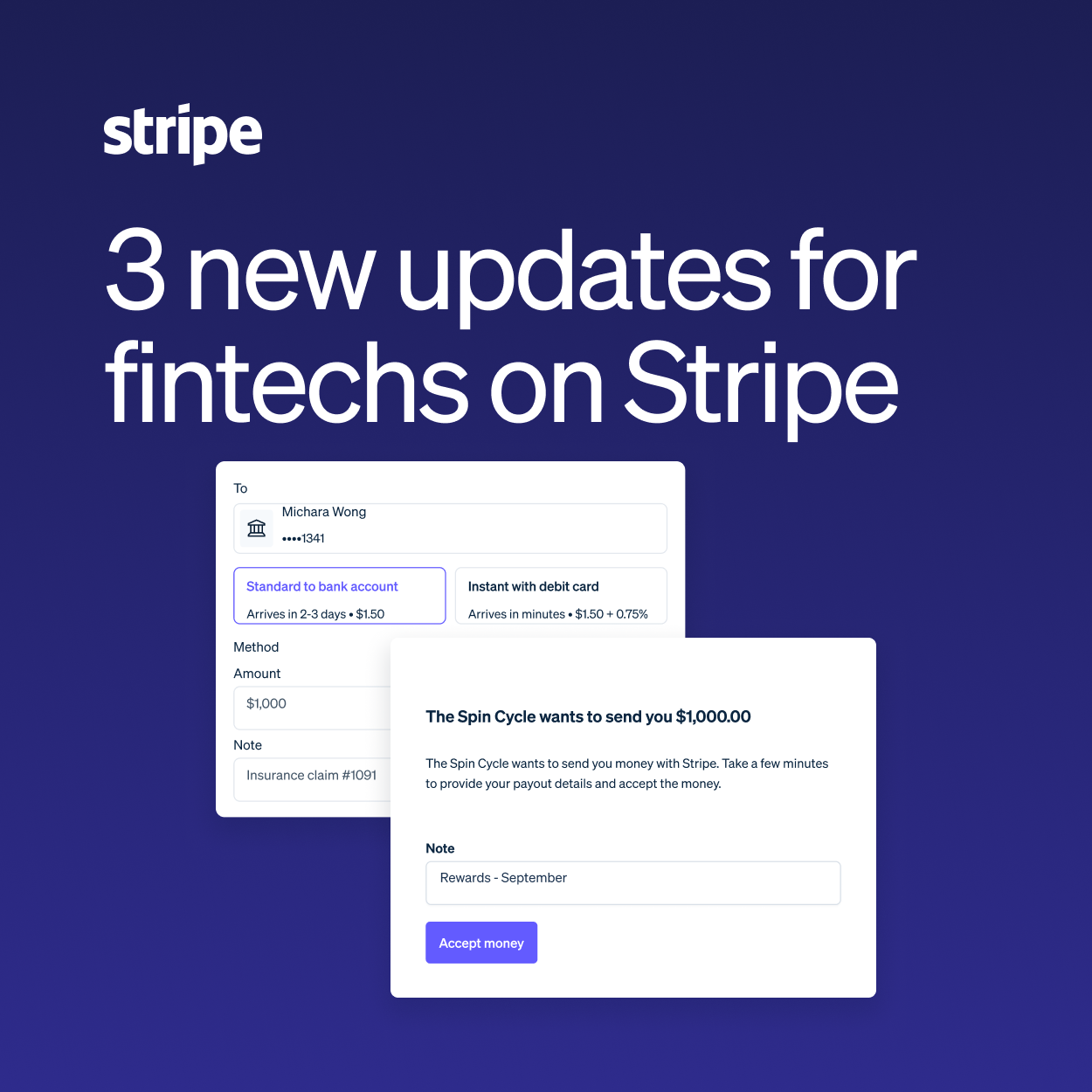
Modern fintech companies have long faced a fundamental contradiction: their software can deploy globally in minutes, but their money movement remains tethered to a legacy correspondent banking system that moves at the speed of mail. This week, Stripe introduced a suite of updates to its Issuing and Treasury infrastructure specifically designed to decouple growth from geographic complexity. By unifying global APIs and expanding stablecoin card support, the platform is attempting to turn the multi-year project of international expansion into a configuration task.
Traditionally, a company looking to pay out users in fifty countries had to navigate a labyrinth of local licensing, varying settlement speeds, and opaque fees. The 'unglamorous mechanics' here involve managing dozens of localized bank relationships and treasury desks just to ensure a contractor in Brazil and a vendor in Japan receive their funds on time. Stripe is now attempting to abstract this by allowing firms to hold balances in one currency and trigger payouts in many, leveraging their existing global licenses to bypass the manual reconciliation that usually kills fintech margins.
This matters because the bottleneck for financial services is no longer the user interface; it is the plumbing. For a platform like a global freelance marketplace, the operational cost of managing cross-border volatility and local compliance often outweighs the transaction revenue. By providing a single point of integration for global payouts, the overhead of building a 'finance operations' team is significantly reduced. This allows lean teams to compete with incumbents who have thousands of employees dedicated solely to back-office reconciliation.
Furthermore, the integration of stablecoins into the card-issuing stack represents a tactical shift for companies operating in high-inflation or underbanked regions. By enabling users to spend stablecoin balances via physical or virtual cards in more jurisdictions, fintechs can offer a US-dollar denominated experience without the heavy lift of opening traditional US bank accounts for non-residents. It is a bypass of the traditional SWIFT network that actually integrates with the existing point-of-sale infrastructure.
Moving forward, watch for how this affects the 'speed to market' for new neobanks. The benchmark for success will be whether a three-person engineering team can launch a cross-border lending or payment product in a new continent in weeks rather than years. The true test of these tools will be in the edge cases: how the system handles localized KYC failures and regional liquidity crunches during high-volatility events. If the abstraction holds, the physical location of a fintech company will soon be the least interesting thing about it.
One essay. Every Friday. From operators who actually run things.
Join thousands of founders, partners, and operating leaders. No filler. Unsubscribe anytime.
Reader notes
0 NotesSign in to comment. Comments are signed and public.
Sign in →