Field Notes
The Dangerous Vanity of the 'All-in-One' Desktop Communication Hub
Telegram’s latest desktop security failure is a reminder that when we trade specialized software for convenient megastructures, we invite systemic collapse.
Numerous Times Field Notes
Dispatches from inside the room
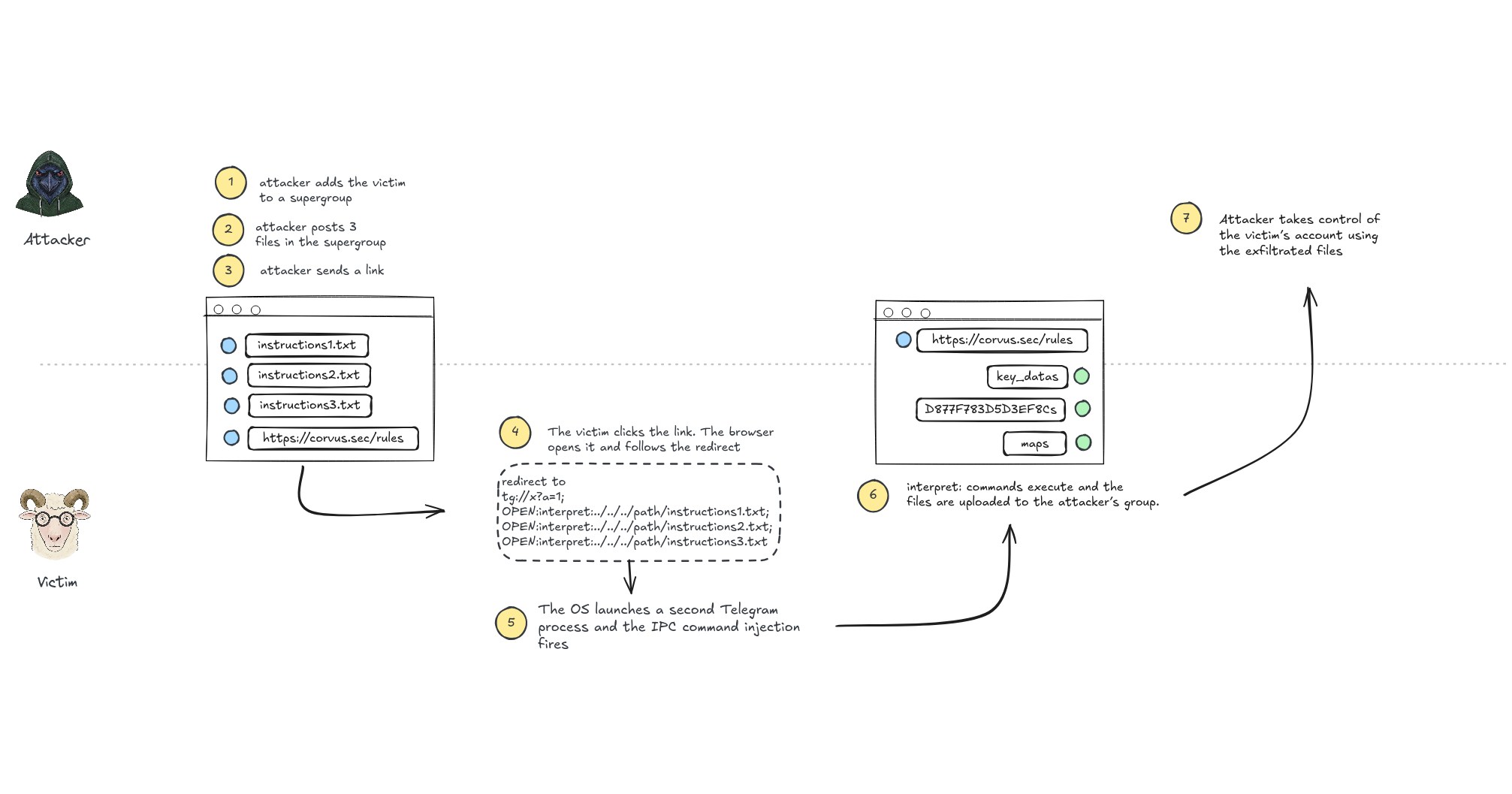
I have spent the last decade watching the erosion of the sandboxed application. We were promised a future where our tools were discrete, secure, and purpose-built. Instead, the modern professional desktop has become a bloated archipelago of 'super-apps' that try to do everything and, in the process, leave every door unlocked. The latest vulnerability discovered in Telegram’s desktop client—a flaw that essentially allowed a remote actor to reach into a user’s file system—is not just a technical oversight. It is a fundamental indictment of the way we build software today.
The convenience trap is easy to fall into. We want our chat apps to preview links, execute media, handle documents, and integrate with our file explorers. But every time a developer adds a feature that bridges the gap between an encrypted chat and the local operating system, they are building a bridge for an attacker to walk across. In this case, the ability for a malicious file to be triggered with minimal user interaction isn't just a bug; it is the logical conclusion of a design philosophy that prioritizes 'seamlessness' over sanity.
From where I sit, looking at the architecture of these platforms, the rot is clear. Telegram, like many of its peers, markets itself on the premise of security. Yet, by building a desktop environment that interacts so loosely with local file protocols, they have created a massive attack surface. If a communication tool can be used to exfiltrate private data simply because a user clicked a misleading link or downloaded a seemingly benign file, then the encryption at the heart of that tool is effectively worthless. What good is a locked front door if the back wall of the house is made of glass?
We need to stop demanding that our messaging apps be entire operating systems. The industry has moved toward a model where every application is a browser, a file manager, and a social network rolled into one. This 'all-in-one' mania creates a single point of failure for our entire digital lives. When your chat client has the permissions to touch your local files, you aren't just using a tool; you are hosting a squatter.
If we want actual security, we have to embrace friction. We should want our apps to be isolated. We should want it to be difficult for a chat message to affect the local disk. Until developers prioritize the integrity of the host machine over the 'slickness' of the user interface, these vulnerabilities will remain a feature, not a bug. It is time to stop trusting the super-app and start demanding the return of the specialized, sandboxed tool.
One essay. Every Friday. From operators who actually run things.
Join thousands of founders, partners, and operating leaders. No filler. Unsubscribe anytime.
Reader notes
0 NotesSign in to comment. Comments are signed and public.
Sign in →