Execution
The Dangerous Mechanics of High-Pressure Retail Grooming
A systemic exploitation of cognitive decline and credit limits shows the dark side of unmonitored sales commission structures and mall lease incentives.
Numerous Times Execution Desk
Operating playbooks that compound
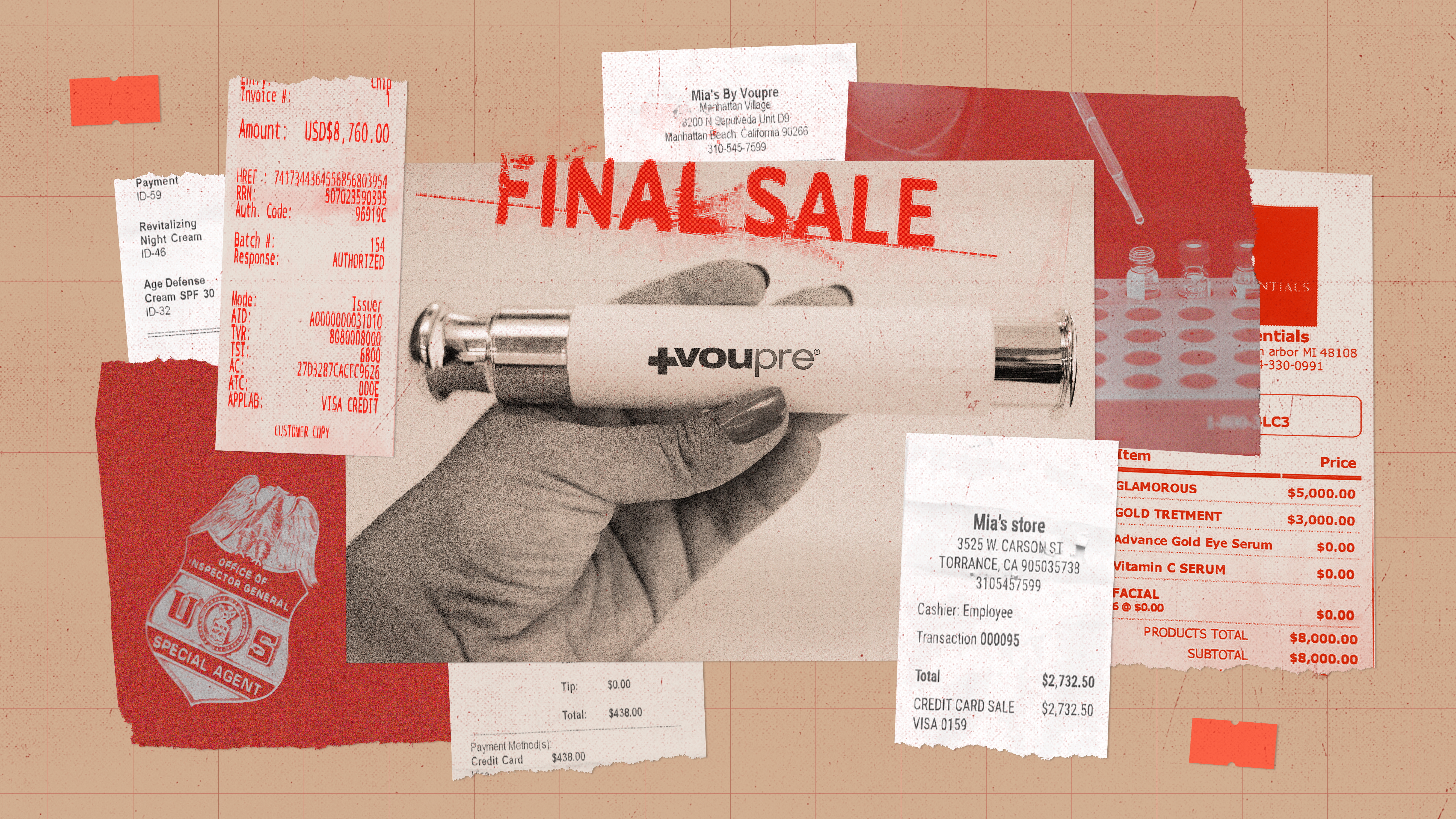
A sprawling network of high-end skincare kiosks across the United States is currently under the microscope of federal investigators following allegations of systematic financial exploitation. The operation, which spans hundreds of shopping malls, reportedly targets elderly shoppers and individuals with cognitive disabilities, utilizing a aggressive sales playbook designed to bypass rational decision-making. By leveraging free samples as social debt, these retailers have moved from simple product sales to extracting tens of thousands of dollars from single individuals through high-pressure cycles that often take place in private treatment rooms.
To understand the mechanics of this operation, one must look at the specific retail environment of the modern American mall. These kiosks do not operate as traditional storefronts; they often function as a web of independent LLCs that shield a central distributor from liability. The business model relies on 'the grab'—a physical tactic where sales reps step into the walking path of a shopper to disrupt their momentum. Once a prospect is engaged, the playbook shifts to a process called 'the ladder,' where a five-dollar sample leads to a hundred-dollar cream, which eventually leads to a five-figure 'limited time' professional light therapy device or long-term service contract.
This matters to operators and executives because it represents the logical, albeit predatory, extreme of incentive-based compensation. When a sales force is given total autonomy over pricing and no oversight on customer suitability, the result is a collapse of brand equity in favor of immediate cash flow. The investigation highlights a critical failure in mall management oversight, where landlords have historically ignored aggressive tactics as long as the rent—often a percentage of these inflated sales—continues to be paid. For legitimate retail operators, this serves as a cautionary tale on the importance of 'selling with guardrails.'
For the execution-minded leader, the takeaway is the vulnerability of the payment process. These kiosks reportedly utilized multiple credit card terminals to bypass transaction limits and split large bills to avoid immediate fraud detection from banks. They also targeted private-label store credit cards, which often have less stringent consumer protection protocols than traditional bank cards. Moving forward, watch for a regulatory crackdown on the 'independent operator' defense. Federal agencies are looking to see if the parent distributors provided the training manuals that mandated these predatory scripts. If the government can prove that the exploitation was a feature of the corporate training rather than a bug of individual store performance, the entire skincare distribution model will face a mandatory and expensive structural overhaul.
One essay. Every Friday. From operators who actually run things.
Join thousands of founders, partners, and operating leaders. No filler. Unsubscribe anytime.
Reader notes
0 NotesSign in to comment. Comments are signed and public.
Sign in →