Field Notes
The Custom Framework Trap and the Struggle for Native Efficiency
As developers prioritize abstraction over browser standards, the gap between rapid delivery and long-term technical debt continues to widen for early-stage startups.
Numerous Times Startups Desk
Founders, funding rounds, and the zero-to-one slog
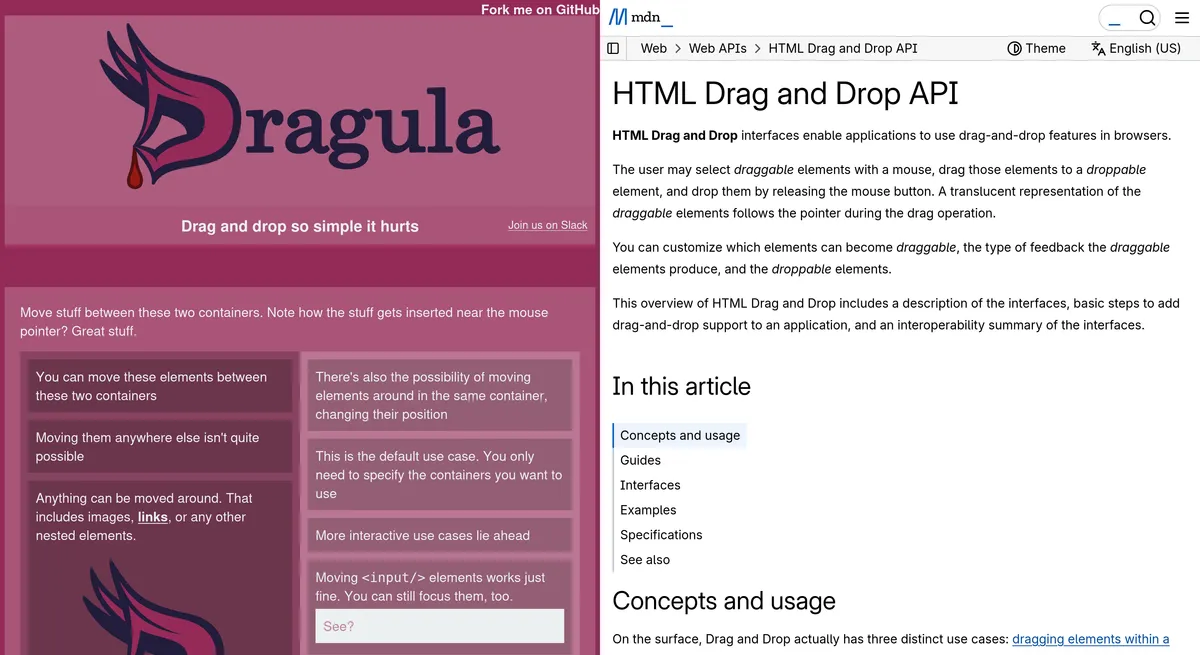
For the modern startup founder, the decision of which technical stack to employ is rarely a neutral choice; it is a declaration of tribal loyalty. Over the last decade, the industry has shifted away from the fundamental primitives of the web—HTML, CSS, and basic JavaScript—in favor of heavy-duty frameworks like React, Vue, and their myriad successors. This shift has created a peculiar paradox in the ecosystem. While we have more powerful browsers than ever, the average application is heavier, more complex, and further removed from the underlying platform it inhabits.
The central tension lies in the trade-off between developer velocity and platform alignment. In the early days of a venture, the pressure to reach product-market fit necessitates speed. Frameworks provide a common language and a suite of pre-built components that allow a team of three to build like a team of thirty. However, this convenience comes at a cost that is often realized too late. By layering abstractions on top of abstractions, teams are effectively betting against the browser's native capabilities. They are building proprietary walled gardens on public land, requiring massive bundles of code to replicate behaviors that the platform now handles out of the box.
Operators often argue that native APIs are too low-level or inconsistent to be used directly in a fast-moving production environment. There is truth in the frustration; the platform moves slowly, burdened by the requirement of backward compatibility. Yet, the cost of ignoring it is a perpetual cycle of migration. When a framework goes out of fashion or a library stops being maintained, the code built upon it becomes a liability. Startups that lean too heavily on these ephemeral tools find themselves spending their Series B funding not on new features, but on total architectural rewrites because their core foundation has shifted beneath them.
We are seeing a growing movement of developers advocating for a return to the platform, yet the friction remains high. The mental model required to build with web components or native state management is fundamentally different from the declarative convenience of modern tooling. For a CTO, the risk of going "native" is the risk of hiring. It is far easier to find a developer who knows a specific framework's ecosystem than one who truly understands the intricacies of the DOM and browser lifecycle.
Ultimately, the slog from idea to traction is hard enough without fighting the browser. The most resilient startups will be those that find the middle ground: using frameworks as a temporary scaffolding rather than a permanent cage. As the platform matures, the competitive advantage will shift toward those who can deliver leaner, faster experiences by leveraging the power that already exists in every user's browser, rather than shipping a new operating system with every page load.
One essay. Every Friday. From operators who actually run things.
Join thousands of founders, partners, and operating leaders. No filler. Unsubscribe anytime.
Reader notes
0 NotesSign in to comment. Comments are signed and public.
Sign in →