Field Notes
The Biometric Handshake: Why Hardware-Bound SSH is the New Security Baseline
A new push for Touch ID-backed authentication is moving developer security from vulnerable software files to unextractable hardware enclaves.
Numerous Times Startups Desk
Founders, funding rounds, and the zero-to-one slog
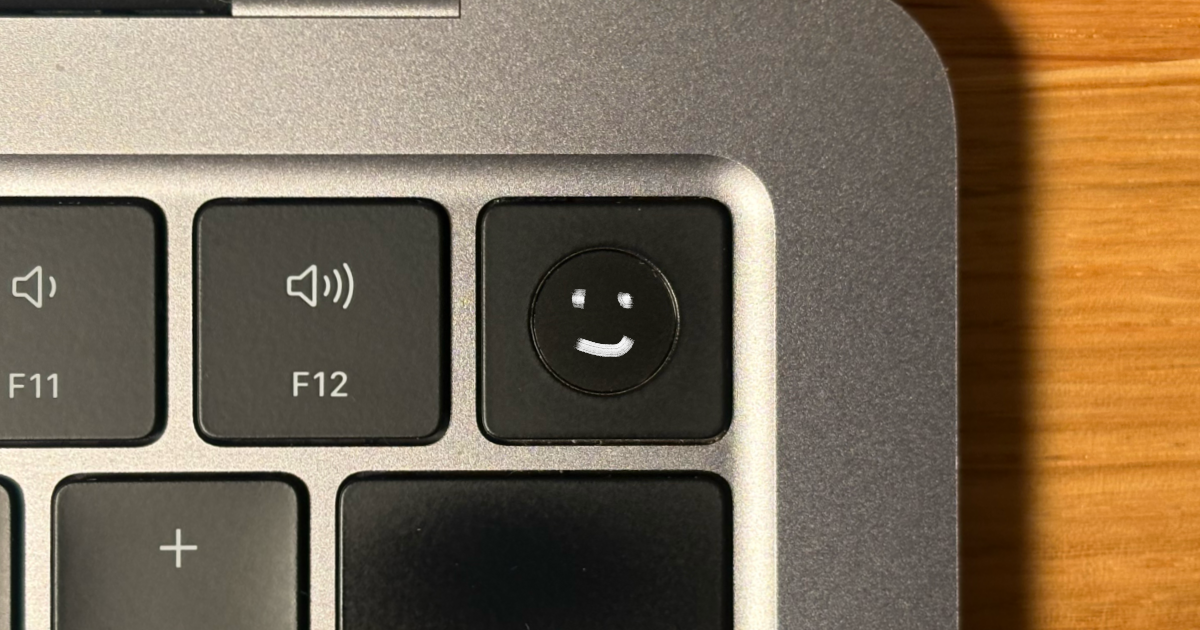
In the ongoing struggle to secure the modern software supply chain, a fundamental shift is occurring in how developers authenticate with remote servers. As of this week, a growing consensus among systems engineers is coalescing around the integration of macOS Touch ID with Secure Enclave-backed SSH keys. While the underlying technology has existed for several hardware generations, the movement to standardize biometric-bound identity is reaching a tipping point, moving from a niche optimization to a recommended safeguard for engineering teams.
Traditionally, the industry has relied on software-based SSH keys stored in the user’s home directory. Even when encrypted with a passphrase, these keys exist as files on a disk that can be exfiltrated by malware. If a developer’s laptop is compromised, an attacker can often scrape these keys, gaining lateral access to production environments, private repositories, and cloud infrastructure. The shift toward biometric hardware solves this by utilizing the Secure Enclave—a dedicated processor in Apple’s M-series and T2 chips—to store the private key material in a way that it can never be read by the operating system itself.
This matters because it fundamentally changes the cost of an identity breach. By requiring a physical touch to sign an authentication request, the process binds the digital action to a physical human presence. Even if an attacker gains full remote control over a machine, they cannot programmatically trigger the Secure Enclave to sign an SSH challenge. For early-stage startups where a single compromised developer account can result in a catastrophic data leak or the total loss of intellectual property, this hardware-level isolation is becoming the de facto requirement for 'Zero Trust' internal policies.
The friction, however, remains in the implementation. Setting this up currently requires developers to navigate specific flag configurations and often rely on external tools like the Secure Enclave SSH agent. This is not yet a one-click experience. We are seeing a divide between shops that mandate YubiKeys for every employee and those moving toward native biometric workflows that leverage the hardware already built into the MacBook.
What to watch next is how this impacts the broader ecosystem of developer tools. As more engineering teams abandon file-based keys, expect cloud providers like AWS and GitHub to offer more streamlined support for hardware-attested identities. The real win for a startup operator isn't just the security—it is the removal of the 'passphrase fatigue' that leads to poor hygiene. When the security barrier is a fingerprint rather than a complex string, compliance stops being a chore and starts being the default. The era of the hidden .ssh folder as a liability is finally coming to an end.
One essay. Every Friday. From operators who actually run things.
Join thousands of founders, partners, and operating leaders. No filler. Unsubscribe anytime.
Reader notes
0 NotesSign in to comment. Comments are signed and public.
Sign in →