Execution
The Anthropic IPO: Rewiring the AI Balance Sheet for the Infrastructure Era
As the Claude creator prepares to go public, the focus shifts from theoretical safety to the brutal unit economics of industrial-scale model deployment.
Numerous Times Execution Desk
Operating playbooks that compound
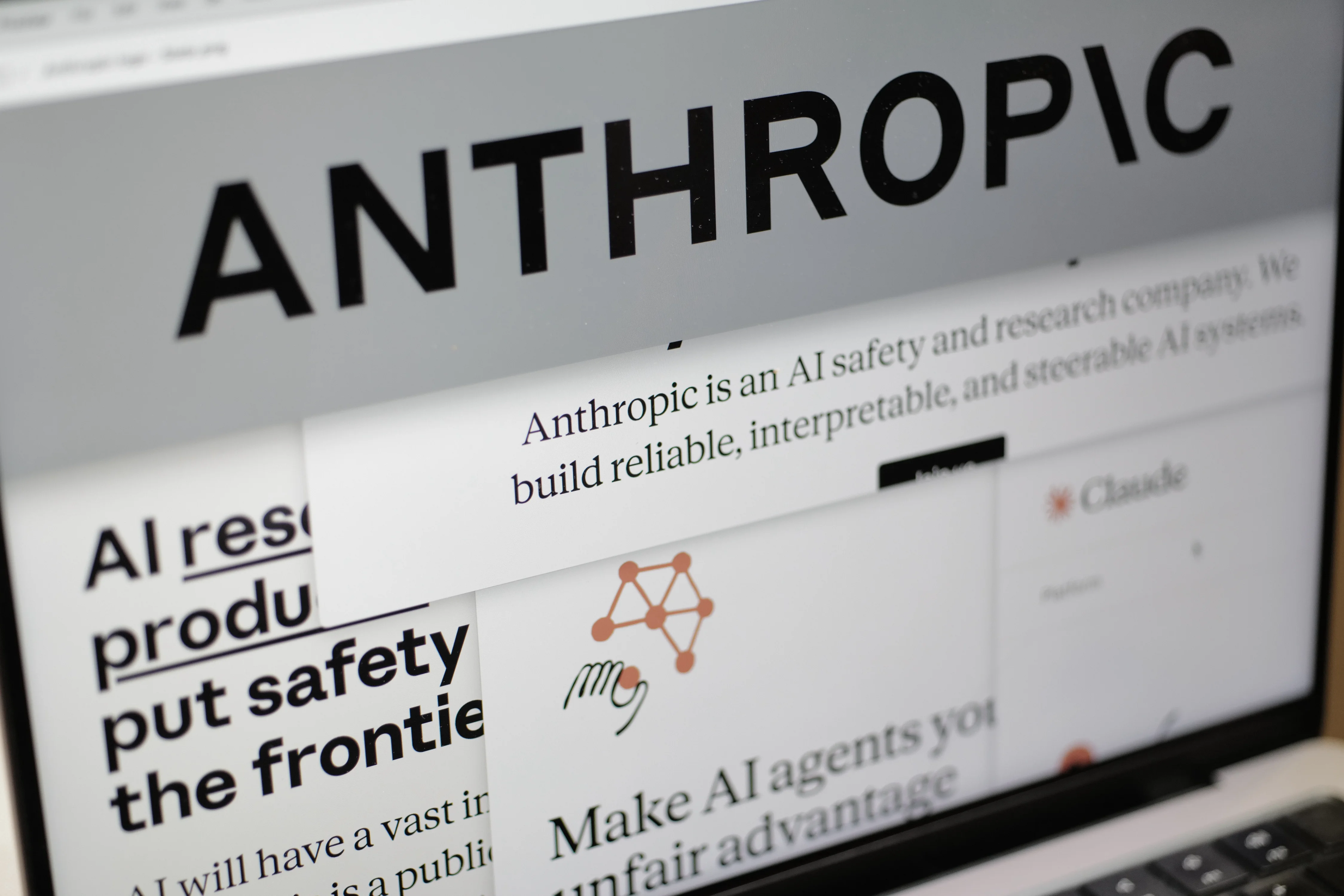
Anthropic, the San Francisco-based artificial intelligence firm behind the Claude model family, has officially submitted its paperwork for an initial public offering. This move marks a pivotal transition for the company, moving it from a venture-backed research lab to a publicly traded entity facing the scrutiny of the open markets. The filing sets the stage for what is expected to be one of the most significant technology listings in recent years, signaling a new phase in the commercialization of generative AI.
Founded by former leaders from OpenAI, Anthropic has long positioned itself as the “safety-first” alternative in the sector. While competitors focused on rapid feature deployment, Anthropic leaned into “Constitutional AI,” a method designed to make models more predictable and less prone to toxic outputs. This focus earned them massive strategic backing from cloud giants like Amazon and Google, who were eager to hedge their bets against a market dominated by a single player. However, the cost of competing in this space is astronomical. The capital requirements for training the next generation of frontier models are scaling at a rate that traditional private funding rounds struggle to sustain.
For the execution-focused leader, this IPO matters because it represents a stress test for AI unit economics. Until now, AI companies have operated on “growth-at-all-costs” venture capital. Once public, Anthropic must justify the massive compute spend required to maintain Claude’s performance against its actual revenue generation. This is the moment where the industry discovers if enterprise AI is a high-margin software business or a capital-intensive infrastructure play similar to oil refining or power utilities. The filing will likely reveal how much of their revenue is driven by a few large corporate contracts versus a diversified base of API users, a key metric for anyone building on their stack.
In the coming months, watch the “use of proceeds” section of their disclosures. The market will be looking for how much capital is earmarked for talent acquisition versus hardware leasing. Furthermore, keep a close eye on their customer concentration risk. If a significant portion of their business is tied to their primary investors, the independence of their safety mission may come under pressure from the quarterly demands of public shareholders. This listing is not just a payday; it is a test of whether a mission-driven AI lab can survive the mechanical realities of the public markets.
One essay. Every Friday. From operators who actually run things.
Join thousands of founders, partners, and operating leaders. No filler. Unsubscribe anytime.
Reader notes
0 NotesSign in to comment. Comments are signed and public.
Sign in →