Field Notes
The Analog Ghosts in Our Digital Machines
As OTape brings the aesthetic of magnetic storage to modern browsers, we must confront why we are still obsessed with the limitations of the physical past.
Numerous Times Field Notes
Dispatches from inside the room
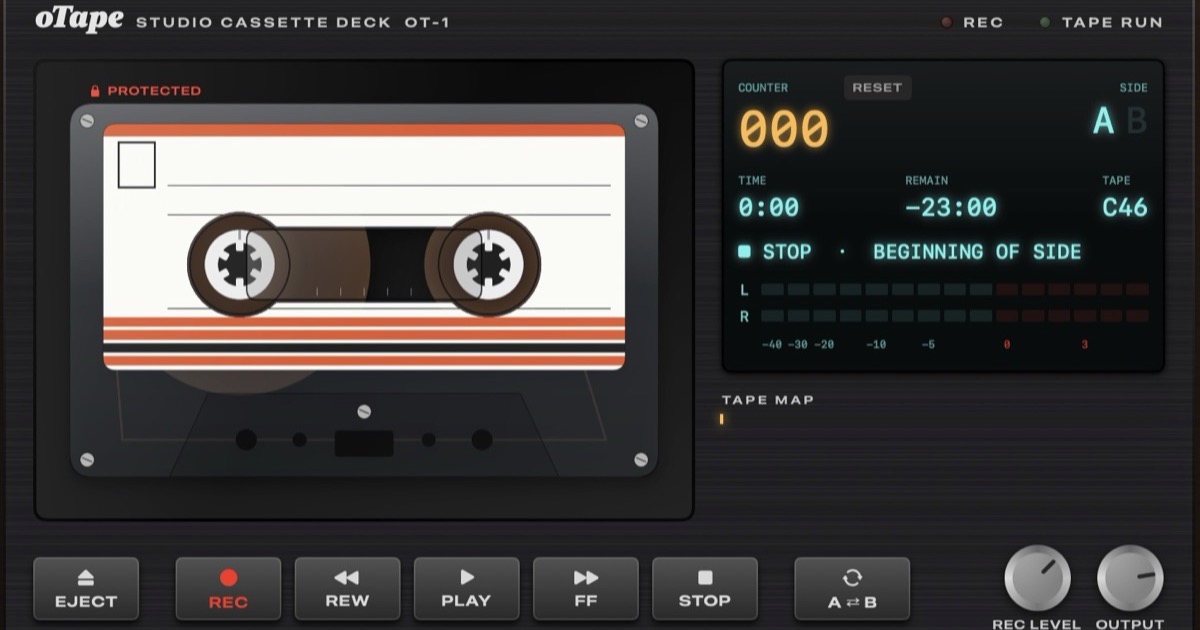
I spent the morning watching a digital cassette reel spin on my dashboard, a peculiar piece of software called OTape that bridges the gap between the high-fidelity web and the low-fi warmth of magnetic storage. It is an exquisite simulation, one that recreates the physical mechanics of a tape deck within a browser window. But as I sat in my studio, surrounded by the very silicon that was supposed to liberate us from the fragility of moving parts, I realized that OTape isn’t just a technical curiosity. It is a symptom of a deep, collective refusal to accept the sterility of the digital age.
The project arrives at a moment when we have technically mastered the storage of sound. We live in an era of lossless compression and infinite clouds. Yet, OTape invites us back to a world of wow, flutter, and physical decay. It mimics the behavior of magnetic tape—the way sound saturates, the way the mechanism hums, and the way the physical boundaries of a reel dictate the length of a thought. This isn’t just a skin for a media player; it is an argument that the friction of the past provided a necessary texture that modern software has scrubbed away.
This matters because we are currently trapped in a flat UI crisis. For a decade, software design has prioritized efficiency and minimalism to the point of exhaustion. By reintroducing the visual and auditory cues of a cassette, OTape forces us to engage with our tools as objects rather than mere functions. It highlights the psychological distance between clicking a 'play' button and watching a virtual capstan engage. The former is a command; the latter is a performance. We are starving for tactile feedback in a world where everything is a glass screen, and we are willing to simulate the weaknesses of 1970s technology just to feel something substantial.
However, we must be careful not to mistake nostalgia for progress. While the craftsmanship behind this simulation is impressive, it also signals a creative stagnation. If our best new tools are simply better mirrors of old ones, we have stopped imagining what the future of interface design could actually look like. We are decorating our digital cells with the wallpaper of our parents' basements.
Watch closely to see if this 'analog-native' movement moves beyond aesthetics into functional architecture. The next step isn't just making digital tools look like tapes, but incorporating the deliberate pacing and finite constraints of physical media into how we build the next generation of the web. We don't need more nostalgia; we need the grit of the physical world to inform the weight of the digital one.
One essay. Every Friday. From operators who actually run things.
Join thousands of founders, partners, and operating leaders. No filler. Unsubscribe anytime.
Reader notes
0 NotesSign in to comment. Comments are signed and public.
Sign in →