Execution
Stop Building Middleware for Your Billing System
Stripe’s move to pipe real-time event data directly into Postgres marks the end of the custom sync script era for high-growth operations.
Numerous Times Execution Desk
Operating playbooks that compound
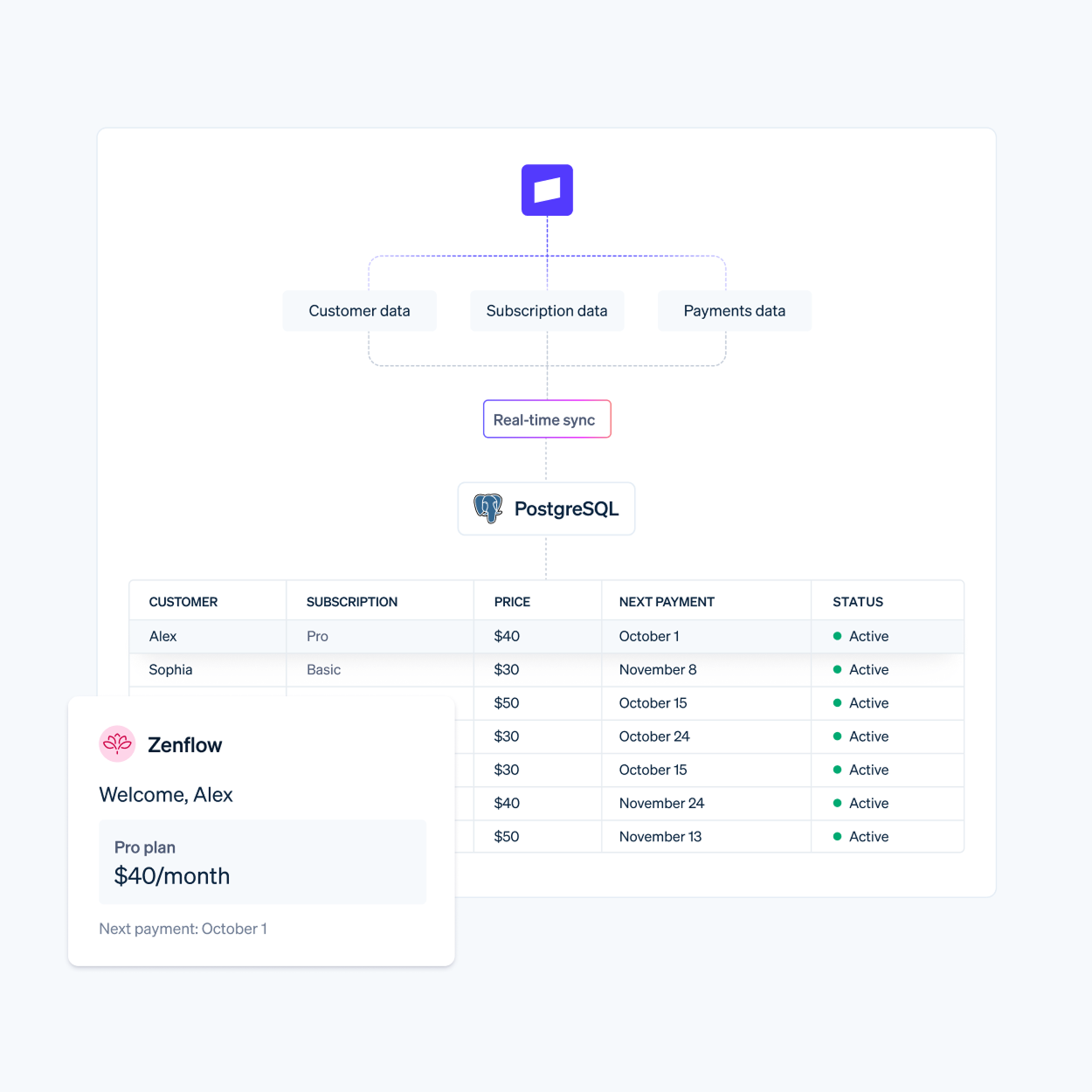
Modern engineering teams have spent a decade building the same invisible infrastructure over and over. When a customer upgrades their subscription, that event happens in Stripe, but the permissions must be updated in the application’s primary database to grant access to the new features. Traditionally, this required writing custom webhook handlers or building a bespoke ETL pipeline to ensure the two systems stayed in sync. This week, Stripe announced a native capability to stream real-time data directly into Amazon Aurora and RDS Postgres databases, effectively turning their Data Pipeline into a direct mirror for production environments.
This shift addresses a persistent friction point in scaling a software business. As soon as a company moves beyond a single product tier, the delta between the billing system of record and the application database becomes a liability. If the sync fails, customers pay for services they cannot use, or worse, they cancel their subscription while maintaining access to the platform. Most developers solve this by writing 'glue code'—scripts that listen for events, retry on failure, and handle the inevitable data type mismatches. These scripts are rarely documented, difficult to test, and represent a massive amount of technical debt that compounds as a product catalog grows.
For the operations leader, this is a matter of resource allocation. Using a managed service to handle the synchronization means engineers are no longer tasked with maintaining a pipeline that adds zero proprietary value to the business. By allowing Stripe to write directly to a Postgres instance, the architecture moves from a reactive model—where your system waits for an alert to pull data—to a state-mirroring model. This ensures that the SQL tables used by your reporting tools and customer support dashboards are identical to the actual transactional state of the business.
Why this matters now is the pressure on margins and engineering velocity. Companies can no longer justify spending two weeks of a senior engineer's time building a robust retry logic for billing webhooks when that same functionality is now a toggle in a dashboard. It signals a move toward 'headless' billing infrastructure where the payment provider is treated less like an external API and more like a remote extension of your own database.
Watch how other fintech providers respond. If the standard for high-scale apps becomes direct database mirroring, the competitive moat for payment processors will shift from transaction fees to the quality of their data schemas. The next logical step is for this to expand beyond Postgres to other specialized data stores, further eroding the need for internal teams to build data movement tools.
One essay. Every Friday. From operators who actually run things.
Join thousands of founders, partners, and operating leaders. No filler. Unsubscribe anytime.
Reader notes
0 NotesSign in to comment. Comments are signed and public.
Sign in →