Execution
Solving the Supply Chain Crisis in Citrus Through Genetic Inventory Protection
Florida’s citrus growers are shifting from chemical mitigation to a biological infrastructure play, using gene-edited rootstock to secure long-term production yields.
Numerous Times Execution Desk
Operating playbooks that compound
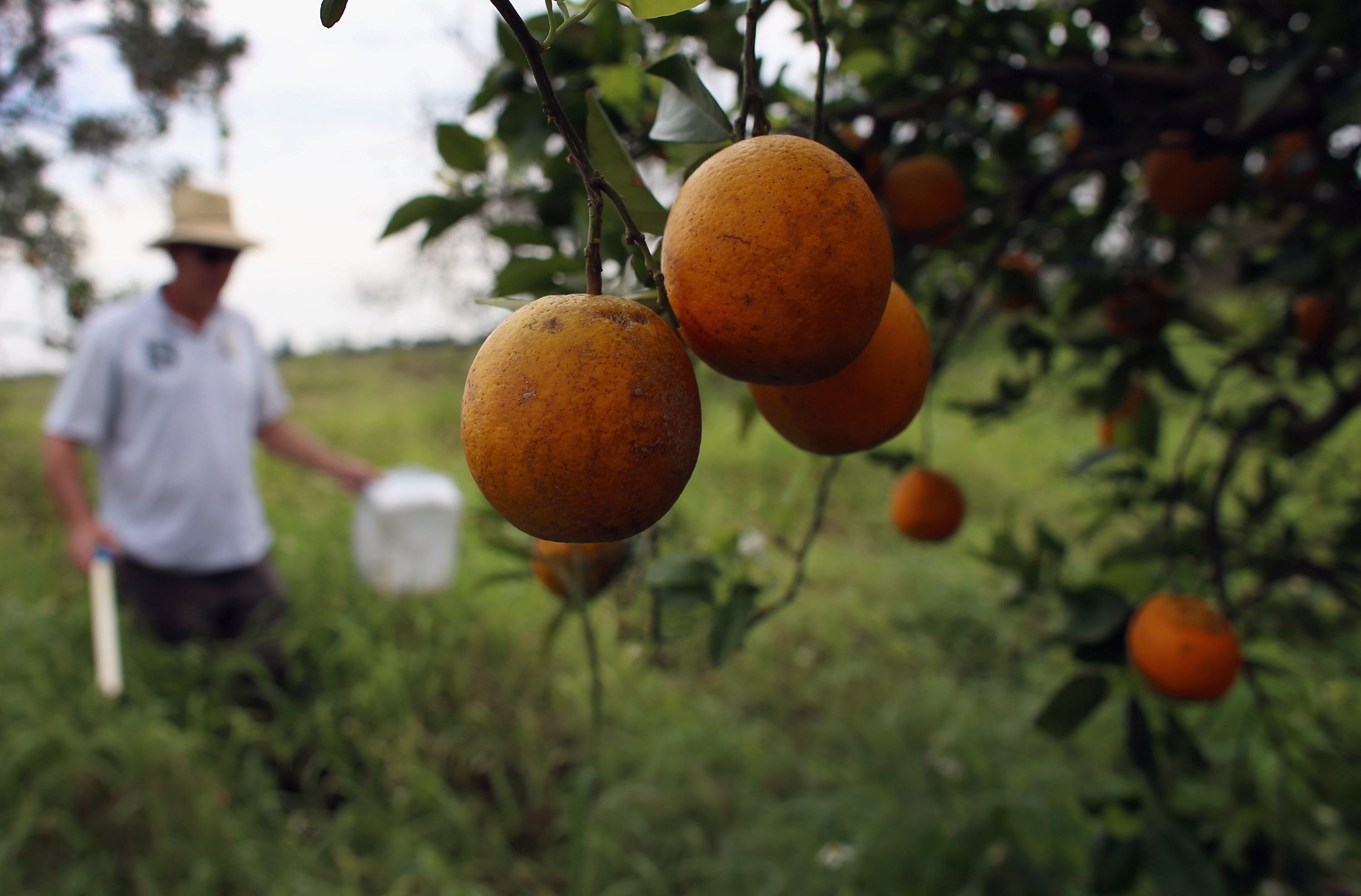
The collapse of the Florida citrus industry is not merely an agricultural tragedy; it is a case study in what happens when the underlying infrastructure of a supply chain fails. For years, growers have fought a losing battle against citrus greening, a bacterial infection that renders fruit bitter and eventually kills the tree. The traditional response has been reactive: more pesticides to kill the carrier insects and more nutritional supplements to keep sick trees productive for one more season. This is the equivalent of trying to fix a leaking hull with a bucket. To actually solve the problem, the industry is moving toward a systemic fix by re-engineering the tree itself.
Gene-editing technology, specifically focused on rootstock, represents a fundamental shift in how growers manage risk. In any manufacturing or production environment, if your base hardware is fundamentally incompatible with the operating environment, you don't keep patching the software—you replace the hardware. By developing rootstock that is inherently resistant or highly tolerant to the bacteria, growers are moving the defense mechanism from an external, labor-intensive cost center to an internal, passive feature of the asset.
From an execution standpoint, this is a capital allocation strategy. Planting a new grove is a multi-decade investment. If you plant traditional varieties today, you are essentially investing in a depreciating asset that requires exponential maintenance costs just to reach a break-even harvest. By switching to gene-edited rootstocks, the initial capital expenditure remains high, but the projected margin profile over twenty years stabilizes. You are trading the volatile cost of chemical intervention for the fixed cost of superior biological intellectual property.
However, the challenge of implementation isn't just the science; it is the regulatory and consumer lead time. For executives in any sector facing similar systemic threats, the lesson is clear: you cannot out-hustle a foundational flaw in your production model. The citrus growers who survive will be those who stop trying to keep dying trees alive and start rebuilding their inventory with a modern biological architecture. This requires a tolerance for long-term experimentation and a willingness to abandon the legacy methods that defined the industry for a century. The work of Monday morning isn't just spraying the grove; it is assessing whether your current assets are even capable of surviving the next five years, and if not, pivoting the entire procurement strategy toward a more resilient, albeit unproven, technological foundation.
One essay. Every Friday. From operators who actually run things.
Join thousands of founders, partners, and operating leaders. No filler. Unsubscribe anytime.
Reader notes
0 NotesSign in to comment. Comments are signed and public.
Sign in →