Execution
Solving the Last Mile Problem for Autonomous Purchasing Agents
The friction isn't in the AI's logic, it's in the brittle checkout flows that break when a machine tries to behave like a human buyer.
Numerous Times Execution Desk
Operating playbooks that compound
The current wave of autonomous agents is suffering from a translation error at the finish line. We have built sophisticated models that can research a product, compare prices, and identify the best shipping window, yet these same agents frequently fail at the most basic hurdle: clicking the pay button. The mechanics of the modern web are designed to verify human intent through manual inputs, making the final transaction the most fragile part of the automated workflow. To move from novelty to utility, the focus must shift from how these agents think to how they actually execute a purchase.
Building an agent that can navigate a shopping cart requires solving for two distinct bottlenecks: authentication and data consistency. When an agent enters a checkout flow, it often behaves like a new user on a fresh device. This triggers every security friction point designed to stop bots, which is ironic for a tool meant to act as a verified proxy for a human. For engineering leads, the goal is to provide agents with a portable identity layer. Instead of forcing an agent to scrape a page and guess where a CVV belongs, the infrastructure must allow for the secure injection of pre-verified payment and shipping details directly into the transaction layer. This reduces the surface area for errors, ensuring the agent isn't tripped up by a UI change or a legacy checkout form.
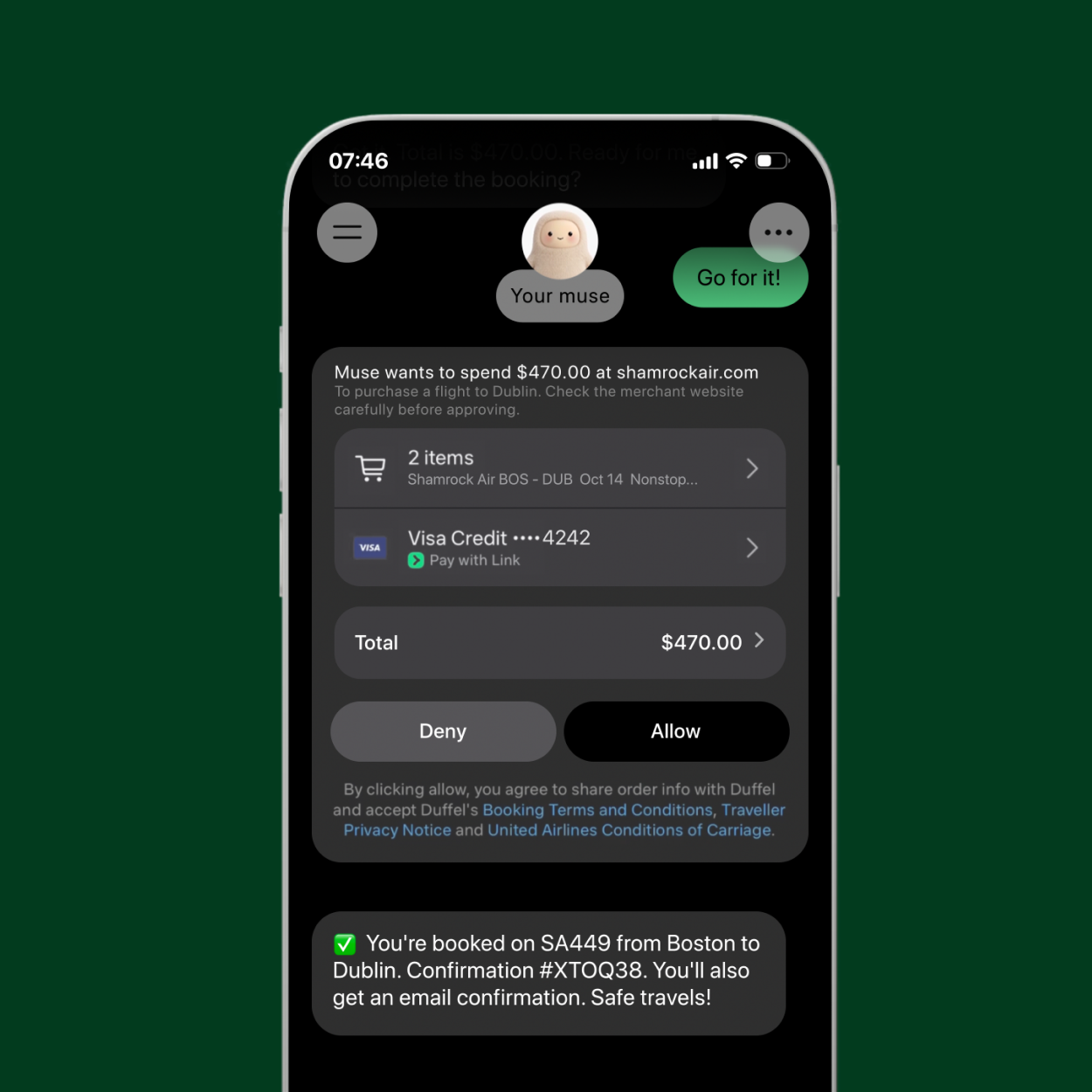
Trust is the other side of this operational coin. A consumer might trust an agent to find the best air fryer, but that trust evaporates the moment the agent makes an unauthorized charge or leaks payment credentials. To operationalize this at scale, companies need to implement a 'human-in-the-loop' verification system for the transaction itself. The agent should do the heavy lifting of assembly—filling the cart and selecting the options—but the final authorization must be a seamless handoff to the human. This is not a failure of automation; it is a design feature that prevents catastrophic spend errors while keeping the machine within its lane.
By streamlining how agents store and deploy credentials, we move away from brittle scripts that break whenever a site changes its layout. The focus should be on building a reliable bridge between the agent’s decision-making engine and the payment processor’s API. When the machine has a verified, consistent way to express the user’s intent, the success rate of automated tasks increases exponentially. Monday’s objective for any team building in this space is to audit where agents are currently dropping off in the funnel. Usually, it isn't the reasoning; it's the checkout.
One essay. Every Friday. From operators who actually run things.
Join thousands of founders, partners, and operating leaders. No filler. Unsubscribe anytime.
Reader notes
0 NotesSign in to comment. Comments are signed and public.
Sign in →