Field Notes
Monsoon Resilience Put to the Test as Flooding Begins Across Thailand
Early seasonal rains trigger local alerts across the kingdom, testing the infrastructure and emergency response systems of Southeast Asia’s second-largest economy.
Numerous Times World Desk
Politics, conflict, disasters, and what's circulating
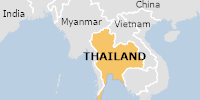
Seasonal weather patterns in Southeast Asia have reached a critical juncture this week as heavy rainfall initiates a period of flooding across various regions of Thailand. While the initial reports from international monitoring systems indicate that no fatalities or large-scale displacements have been confirmed, the onset of these floods represents a significant moment for the country's central administration and its agricultural backbone. This period, typically marked by the transition of the monsoon, often serves as a primary indicator of how the nation will manage its water resources for the remainder of the calendar year.
The human stakes are highest in the rural provinces, where the rhythm of life is dictates by the stability of the Mekong and Chao Phraya river systems. For millions of farmers, these early floods are not merely a meteorological event but a direct threat to the harvest cycle. Rice paddies, which form the core of Thailand's export economy, are particularly vulnerable to sudden changes in water levels. If the drainage infrastructure fails to keep pace with the accumulation, the economic ripple effects could be felt across global grain markets. However, at this stage, the government’s mitigation strategies appear to be holding, with official updates focusing on containment rather than emergency evacuation.
Political scrutiny is also intensifying. The current administration in Bangkok is often judged by its ability to prevent a repeat of the catastrophic inundations seen in previous decades, which paralyzed industrial zones and caused billions in damages. For the leadership, the successful management of this early "green alert" phase is essential to maintaining public confidence in the national water management plan. Any perceived failure in the early warning systems or the distribution of aid could become a significant liability.
There are currently unverified reports circulating on social media regarding localized damage to smaller bridges and irrigation canals in the northern territories. These claims remain unconfirmed by central authorities, and it is common for such rumors to spread during the first signs of the monsoon as communities brace for the unknown. At present, the data suggests a controlled situation, though the duration of the rainfall will be the deciding factor in the coming days. The world is watching Thailand not just as a regional hub, but as a case study in how middle-income nations adapt to increasingly volatile tropical weather patterns. For now, the focus remains on the integrity of the dams and the efficiency of the local response teams who are tasked with keeping the water at bay while the population continues its daily business.
One essay. Every Friday. From operators who actually run things.
Join thousands of founders, partners, and operating leaders. No filler. Unsubscribe anytime.
Reader notes
0 NotesSign in to comment. Comments are signed and public.
Sign in →