Field Notes
Michigan Senate Race Shifted by Cross-Party Endorsement from Representative Stevens
A surprise break from party ranks by the incumbent Representative complicates the Democratic effort to hold a critical battleground seat in the 2026 midterms.
Numerous Times Politics Desk
The 2026 midterm elections, race by race
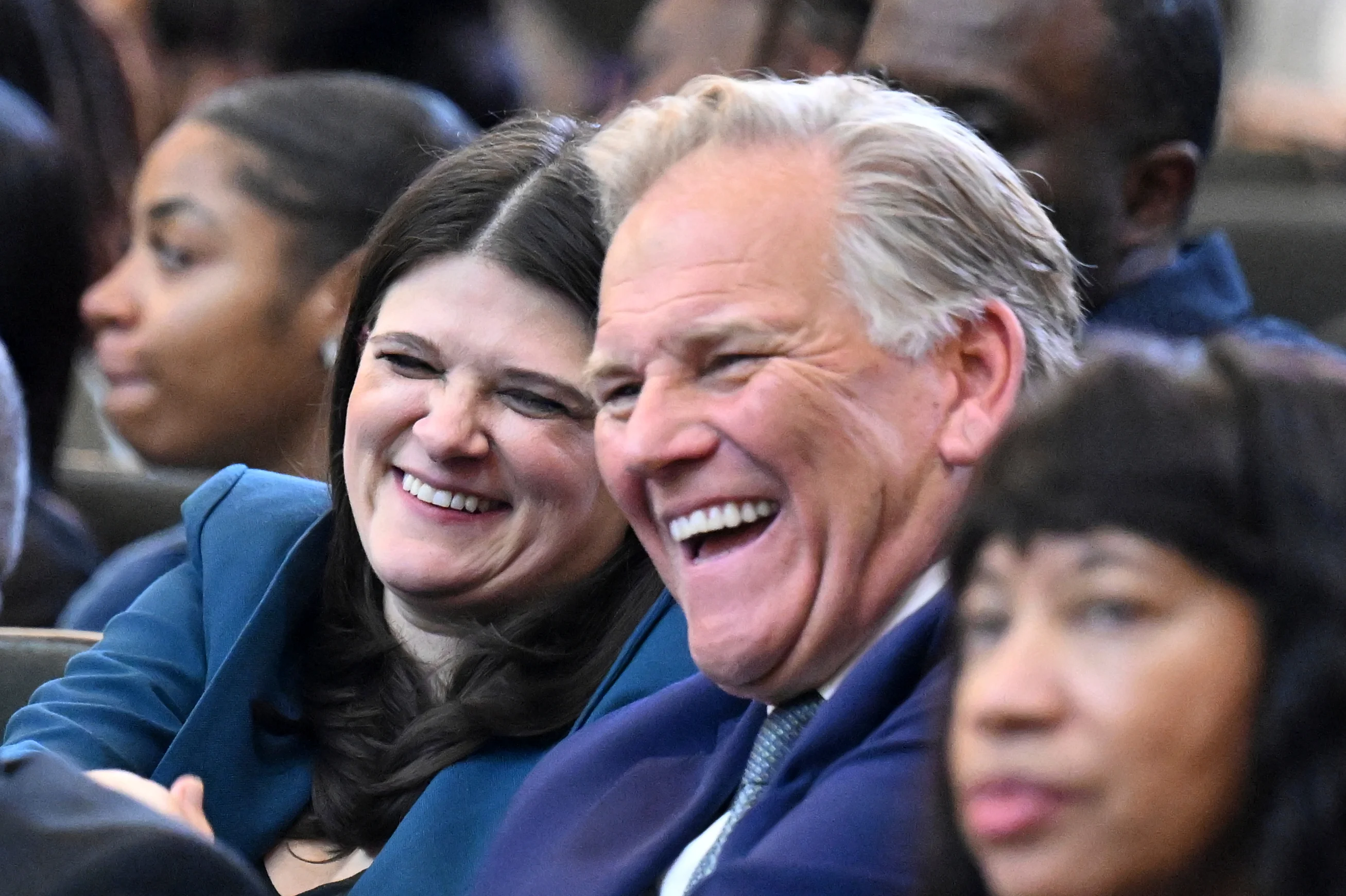
Representative Haley Stevens has altered the trajectory of the 2026 Michigan Senate race by formally endorsing Republican nominee Mike Rogers, a move that comes shortly after her own loss in a contentious Democratic primary. The announcement coincided with a scheduled "unity" event where Stevens was expected to appear alongside Abdul El-Sayed, the progressive physician who secured the Democratic nomination. Instead of joining her former rival, Stevens transitioned into a direct challenge against her party’s ticket, creating a significant fracture in the state’s political landscape.
The development follows a primary season defined by ideological tension within the Michigan Democratic Party. El-Sayed, who campaigned on a platform of significant healthcare reform and expanded social programs, defeated the more centrist Stevens in a race that tested the state’s appetite for progressive policy. While primary losers often eventually fall in line behind the victor to preserve party cohesion, Stevens’ decision to back Rogers represents a rare and public departure from that tradition. Rogers, a former House Intelligence Committee Chairman, is seeking to flip the seat for the GOP, framing his candidacy around national security and industrial economic stability.
This endorsement is particularly consequential for the balance of power in the United States Senate. Michigan remains a perennial swing state, and both parties view this seat as essential to their hopes for a majority in the next Congress. For the Republican Party, an endorsement from a sitting Democratic Representative provides a potent argument for moderate and independent voters who may be wary of El-Sayed’s policy positions. It allows Rogers to pitch himself as a bipartisan actor capable of drawing support from across the aisle, potentially neutralizing common Democratic attacks regarding ideological rigidity.
For the current administration, the split in Michigan poses a strategic hurdle. A fractured Democratic base in a high-turnout midterm year could jeopardize not only this Senate seat but also down-ballot House races in districts that Stevens currently represents. If the endorsement signals a broader migration of centrist voters toward the GOP, the administration’s legislative agenda on trade and manufacturing—central themes in the Midwest—could face increased resistance.
Observers are now looking to see how the El-Sayed campaign reacts to this loss of institutional support and whether other centrist figures in the state will follow Stevens or double down on party loyalty. The focus shifts next to upcoming internal polling from both camps to determine if Stevens’ endorsement moves the needle with suburban voters in the Detroit metro area, a demographic that remains the ultimate arbiter of Michigan’s statewide contests.
One essay. Every Friday. From operators who actually run things.
Join thousands of founders, partners, and operating leaders. No filler. Unsubscribe anytime.
Reader notes
0 NotesSign in to comment. Comments are signed and public.
Sign in →