Execution
Managing the Sugar Squeeze: Why Confectionery Inflation is a Margin Game
Rising raw material costs are forcing retailers and manufacturers to rethink volume strategies as Halloween spending faces a structural price shift.
Numerous Times Execution Desk
Operating playbooks that compound
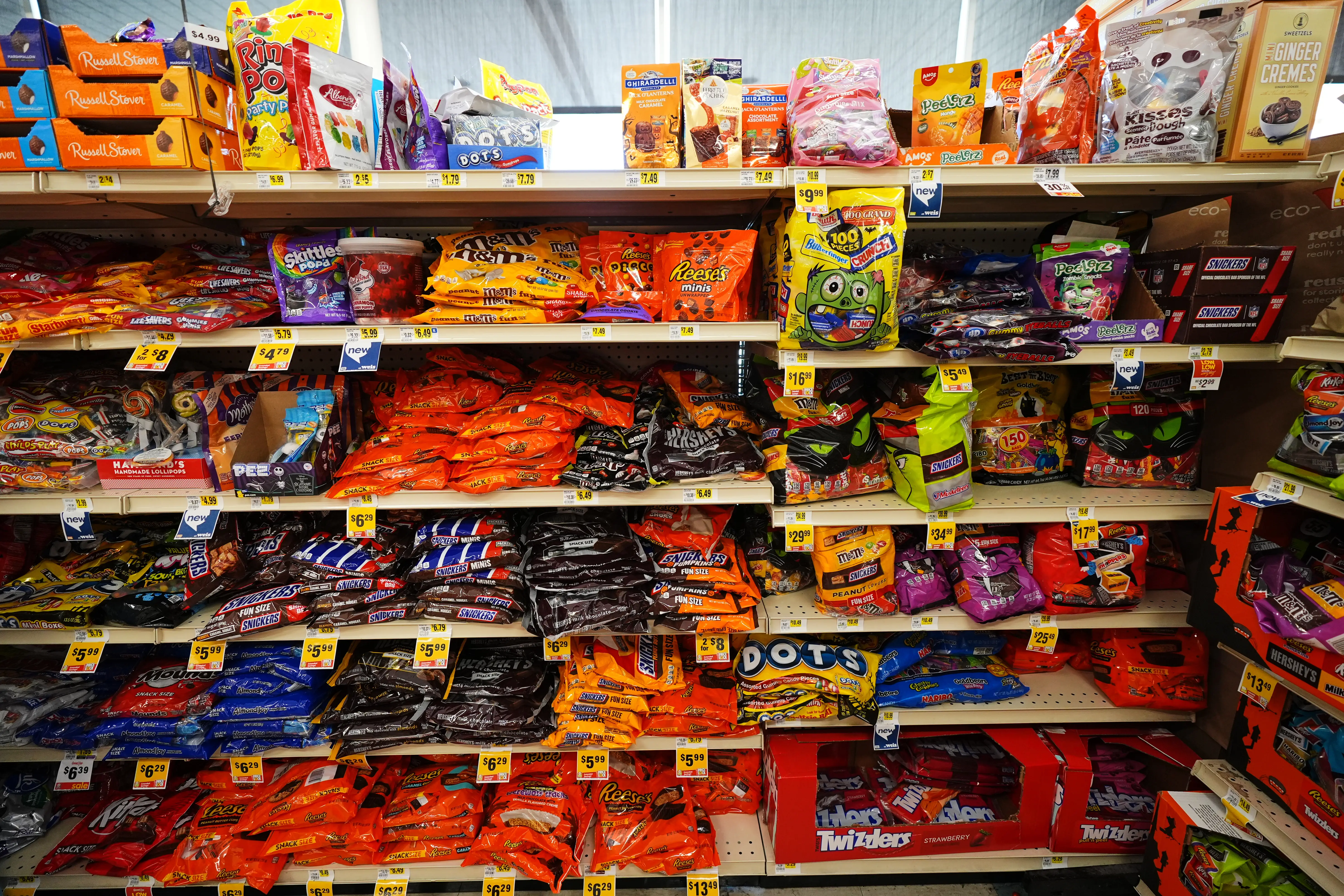
Consumer goods companies and retailers are currently navigating a sharp spike in seasonal overhead as Halloween preparations hit full swing. According to recent federal labor statistics, the cost of candy and gum has climbed by double digits over a two-year horizon, with the most recent year-over-year data showing a nearly eight percent increase. This pricing pressure is hitting shelves across the United States just as the largest retail quarter begins, forcing a confrontation between historical purchasing volume and modern price elasticity.
The mechanics behind this surge are not merely a byproduct of general inflation but a specific failure in the commodities supply chain. Global sugar production has faced severe headwinds due to extreme weather patterns in major exporting regions like India and Thailand, while cocoa prices reached historic highs earlier this year. For a procurement officer or a retail floor manager, this translates to a fundamental shift in unit economics. The unglamorous reality is that the cost of goods sold for a standard bag of chocolate has outpaced the average consumer’s wage growth, creating a gap that must be closed through either margin compression or aggressive price hikes.
This matters because seasonal retail serves as the ultimate stress test for pricing power. In previous cycles, brands could rely on high-volume holiday shopping to mask inefficiencies in their logistics or supply chains. Today, that buffer has evaporated. When the price of a core input rises by almost twenty percent over twenty-four months, the standard playbook of incremental price increases no longer suffices. Companies are instead forced to look at "shrinkflation" tactics—reducing package weight while maintaining price points—or shifting their product mix toward non-chocolate alternatives that offer better margins.
For execution-minded leaders, the immediate task is analyzing how these price floors affect inventory turnover. If a household budget is fixed, a ten percent increase in price usually results in a corresponding drop in units sold. Retailers who over-ordered based on last year’s volume may find themselves sitting on expensive, expiring stock if they haven't accounted for the psychological barrier of the new price tags.
Moving forward, watch for a shift in how manufacturers negotiate long-term commodity hedges. The volatility in raw ingredients is no longer an anomaly but a structural feature of the market. We should expect to see a pivot toward high-margin, smaller-format packaging that prioritizes transaction count over total volume. The organizations that win this season won't be those with the most inventory, but those with the most precise understanding of where their customers finally stop reaching for the shelf.
One essay. Every Friday. From operators who actually run things.
Join thousands of founders, partners, and operating leaders. No filler. Unsubscribe anytime.
Reader notes
0 NotesSign in to comment. Comments are signed and public.
Sign in →