Field Notes
Literary Boycott Raises Questions Over Advocacy and Transatlantic Trade Norms
Renowned Irish author Sally Rooney restricts book sales in the United Kingdom following her public support for a controversial pro-Palestinian activist organization.
Numerous Times Politics Desk
The 2026 midterm elections, race by race
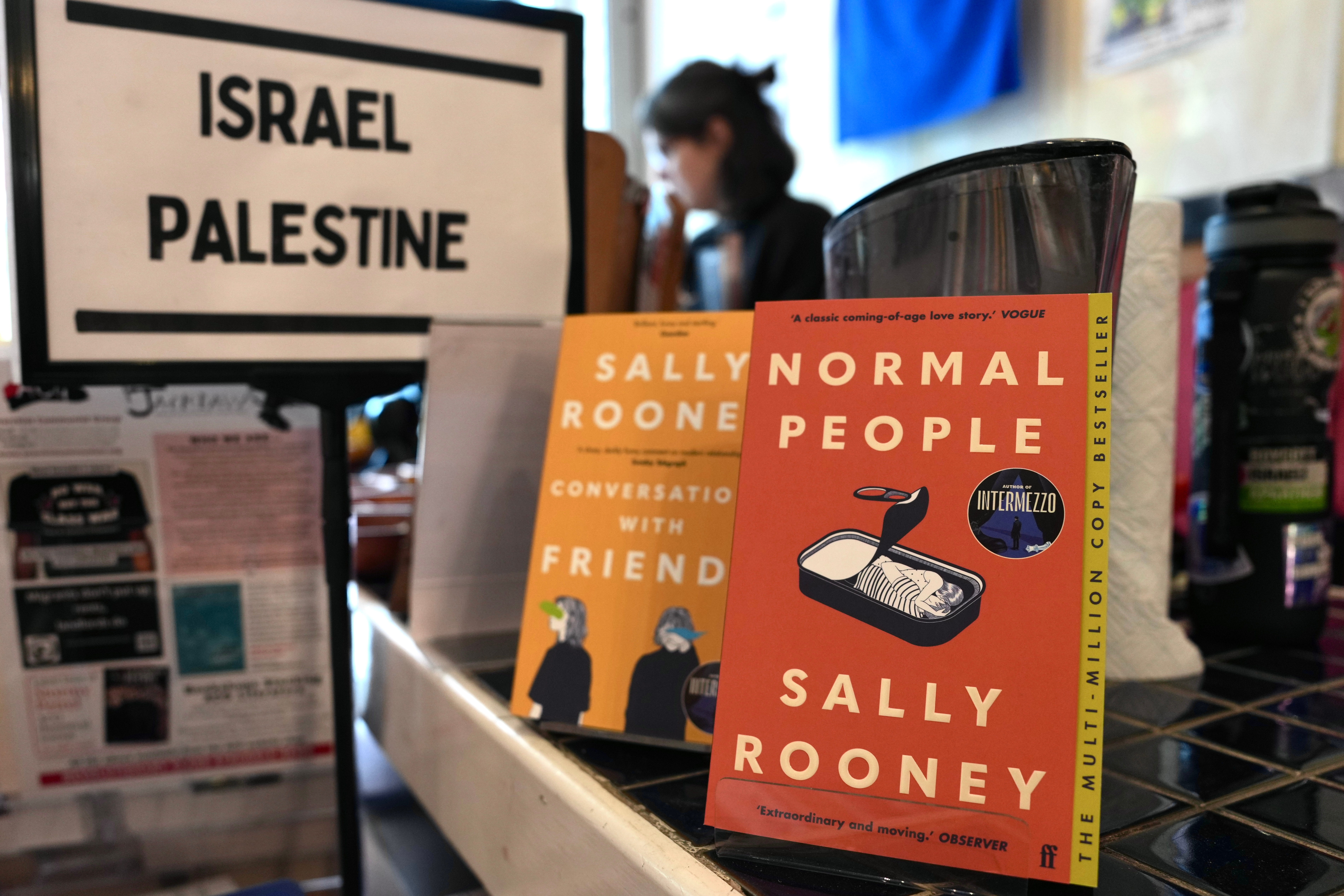
High-profile Irish novelist Sally Rooney has taken the unusual step of halting the sale of her literary works within the United Kingdom. This decision follows her recent pledge to redirect royalties from her publications to a pro-Palestinian activist group currently banned under British law. The move marks a significant escalation in the intersection of cultural production and geopolitical advocacy, highlighting the increasingly sharp divisions over Middle Eastern policy and the limits of political expression within the international publishing market.
Rooney, whose novels have achieved widespread critical and commercial success, has long been vocal about her opposition to Israeli government policies. Her recent commitment to financial support for an organization designated as illegal by the U.K. government prompted a conflict with existing British regulatory and anti-terrorism frameworks. The cessation of her book sales in the U.K. appears to be a direct consequence of the legal and ethical complications arising from this financial pledge, as domestic retailers and distributors face potential liability for facilitating the movement of funds to a proscribed entity.
For observers of international relations and legislative policy, this development serves as a case study in how national security designations can impact the flow of cultural exports. The U.K.’s legal stance on specific activist groups creates a friction point for individuals who view their creative output as a vehicle for political activism. While the decision is primarily a private action by the author and her representatives, it invites scrutiny regarding the efficacy of sanctions and the role of private actors in shaping diplomatic discourse through economic withdrawal.
In the context of the upcoming 2026 midterm elections in the United States, this event underscores a growing trend where international conflicts become localized cultural flashpoints. While the Rooney situation is centered in Europe, the underlying issues—divestment, support for Palestinian causes, and the legality of specific advocacy groups—remain potent themes in American campus politics and congressional debates. Candidates for federal office often find themselves navigating these controversies as they attempt to define their stances on foreign aid and the First Amendment rights of activists.
Moving forward, stakeholders will be watching to see if other prominent figures in the arts follow suit, potentially creating a broader trend of targeted market withdrawals based on national policy. The legal ramifications for the publishing house and the long-term impact on Rooney’s accessibility to a global audience remain unclear. Furthermore, this incident may prompt legislative reviews concerning how financial transactions linked to banned organizations are monitored in the digital and creative economies, particularly when they involve cross-border intellectual property.
One essay. Every Friday. From operators who actually run things.
Join thousands of founders, partners, and operating leaders. No filler. Unsubscribe anytime.
Reader notes
0 NotesSign in to comment. Comments are signed and public.
Sign in →