Field Notes
Israel Returns to the Polls Amid a Multi-Front Regional Conflict
The first national vote since the October 7 attacks will serve as a definitive referendum on security, the fate of hostages, and the leadership of Benjamin Netanyahu.
Numerous Times World Desk
Politics, conflict, disasters, and what's circulating
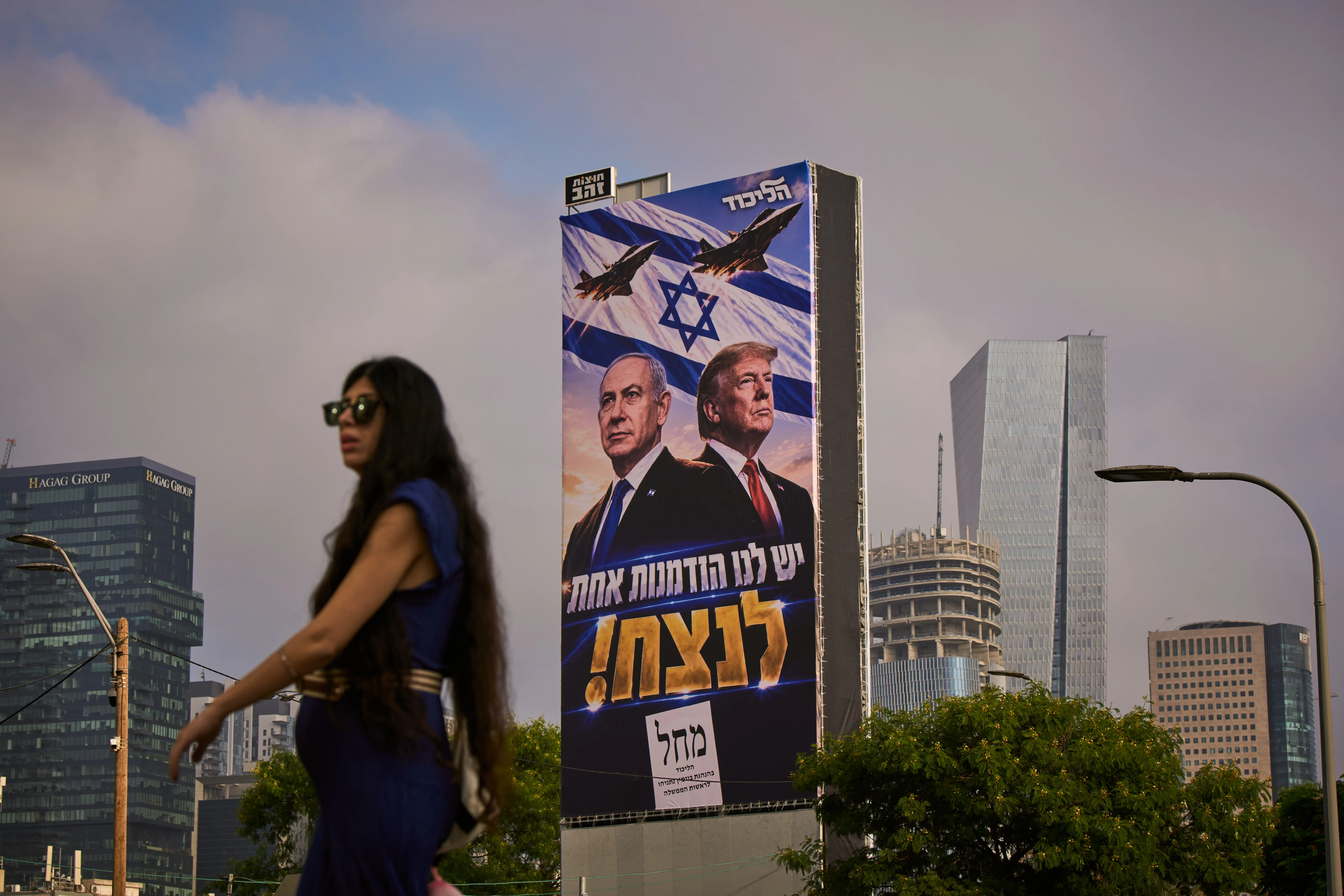
Israelis are casting ballots in a national election that represents the first major democratic test for the country since the Hamas-led attacks of October 7, 2023. The vote occurs against a backdrop of ongoing military operations in Gaza, intensified conflict along the northern border with Hezbollah, and a domestic political landscape fractured by months of protest and debate over the nation's strategic direction. As citizens across the country head to polling stations, the outcome remains uncertain, with the future of the current governing coalition and the political survival of Prime Minister Benjamin Netanyahu at the center of the contest.
To understand the gravity of this moment, one must look at the unprecedented pressure under which this election is held. Since the 2023 attacks triggered a wider regional crisis, the Israeli public has been deeply divided. While there is broad consensus regarding the necessity of national security, there is sharp disagreement over the government’s failure to prevent the initial breach and its handling of the subsequent war. A primary point of contention is the fate of the hostages still held in Gaza, with families and activists calling for a deal at any cost, while hardline members of the coalition insist that only military pressure will yield results.
This election matters globally because the result will dictate the trajectory of Middle Eastern stability. For the United States and regional partners, the composition of the next Israeli government determines the feasibility of a two-state solution, the potential for a ceasefire, and the long-term management of the humanitarian crisis in Gaza. If a more centrist or left-leaning coalition emerges, international observers anticipate a greater openness to diplomatic compromises. Conversely, if the current right-wing religious bloc retains power, the world expects a continuation of the hardline stance toward territorial control and regional escalation.
Beyond the security implications, the economic stakes are severe. The prolonged mobilization of reserve forces and the displacement of thousands of citizens from northern and southern regions have strained the national budget. Investors are watching closely to see if the new government can provide the stability necessary to recover from the economic shocks of the past year.
In the coming days, the focus will remain on the official tallies from the Central Elections Committee. In Israel’s parliamentary system, the final seat count for various parties is only the first step. The true test follows in the negotiation phase, as party leaders attempt to build a coalition of at least 61 seats in the Knesset. Observers should watch whether the results lead to a clear mandate or another period of political deadlock, which has historically plagued the country’s governance.
One essay. Every Friday. From operators who actually run things.
Join thousands of founders, partners, and operating leaders. No filler. Unsubscribe anytime.
Reader notes
0 NotesSign in to comment. Comments are signed and public.
Sign in →