Field Notes
France Faces Prolonged Flood Conditions as Displacement Efforts Continue
Authorities monitor rising water levels across affected regions as civil response teams manage the relocation of residents from high-risk zones.
Numerous Times World Desk
Politics, conflict, disasters, and what's circulating
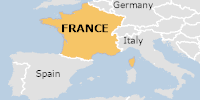
Authorities in France are navigating a period of significant environmental strain as a series of flood events, beginning in late September, continues to impact the domestic landscape. The situation, which has persisted into the first week of October, has forced a recalibration of local emergency services and heightened the focus on the country’s hydrological resilience. While the immediate threat to life remains contained, the logistical and human consequences are mounting as communities contend with the movement of water across saturated terrain.
The current crisis centers on the displacement of residents whose homes have become untenable due to the rising water levels. At present, official reports indicate that more than one hundred individuals have been moved into temporary accommodation or safer zones. For those forced to leave their property, the stakes are deeply personal, involving the loss of immediate stability and the uncertainty of when a return to normalcy might be possible. Beyond the human element, the economic exposure for local municipalities is significant. Prolonged inundation typically strains public infrastructure, including drainage systems and roadways, while also threatening the agricultural sectors that rely on predictable seasonal conditions.
The international community often looks to France during these periods as a barometer for how modern, industrialized nations manage the increasing frequency of extreme weather. The world is watching not just the emergency response, but the effectiveness of the French early-warning systems and the long-term viability of their flood-defense investments. When a developed economy faces such persistent environmental pressure, it raises critical questions about climate adaptation and the costs associated with protecting urban and rural centers alike.
Observers should note that while rumors of broader infrastructure failure often circulate during such events, there is currently no verified evidence of major dam breaches or systemic collapse. The displacement reported is a calculated precautionary measure by civil authorities intended to prevent casualties. The zero-death toll reported at this stage reflects a rigorous adherence to evacuation protocols, though the duration of the event suggests that the recovery phase will be extensive. As the waters begin to recede or stabilize in the coming days, the focus will shift from immediate safety to the assessment of property damage and the potential for secondary environmental hazards, such as soil contamination or long-term structural weakness in historic areas. For now, the priority remains the management of those displaced and the continuous monitoring of weather patterns that could further complicate the recovery timeline.
One essay. Every Friday. From operators who actually run things.
Join thousands of founders, partners, and operating leaders. No filler. Unsubscribe anytime.
Reader notes
0 NotesSign in to comment. Comments are signed and public.
Sign in →