Field Notes
Federal Court Rejects Immediate Halt to California Ballot Processing
A district judge's refusal to grant a Department of Justice request maintains the status quo in several high-stakes House races as legal challenges move forward.
Numerous Times Politics Desk
The 2026 midterm elections, race by race
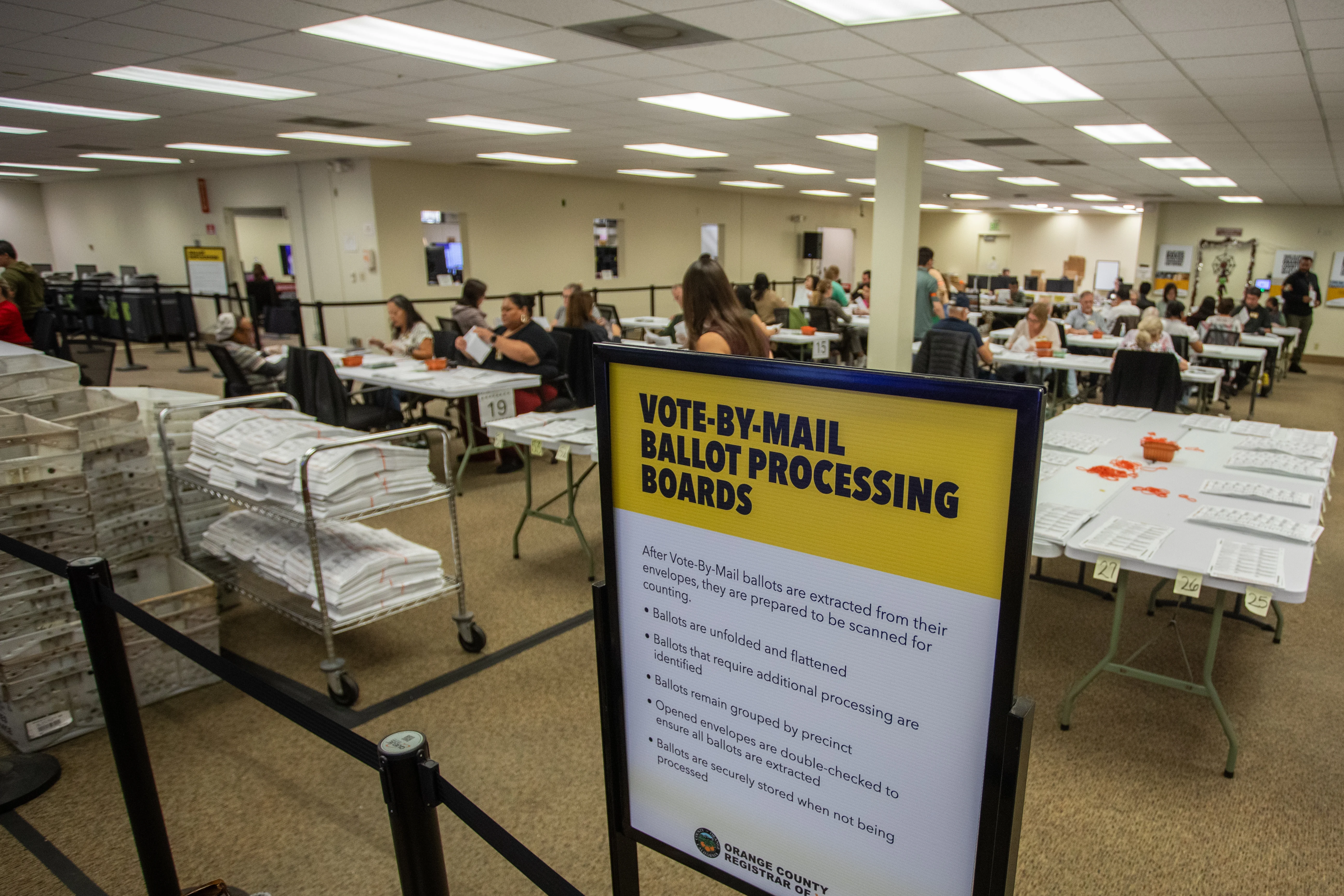
A federal district judge has denied a preliminary request from the Department of Justice to halt the ongoing processing of ballots in California, a decision that ensures the counting of votes will proceed without interruption in the nation’s most populous state. The ruling comes as election officials continue to tabulate returns in several critical districts that could determine which party holds the majority in the House of Representatives for the second half of the current administration's term.
The litigation centers on the Department of Justice’s attempt to pause the verification and counting process, an intervention described by legal analysts as an unusual move for the executive branch during an active election cycle. The Department had argued that certain procedural inconsistencies in how signatures were being verified required a temporary freeze to ensure federal standards were met. However, the court found that the government did not meet the high legal threshold required to disrupt an active administrative process, citing the potential for significant voter disenfranchisement and the logistical chaos that a mid-count halt would cause for county registrars.
In California, the counting process often extends weeks beyond Election Day due to the state’s expansive use of mail-in ballots and laws that allow ballots to be counted as long as they are postmarked by the election date. This lag time has historically created a period of uncertainty, particularly in closely contested areas like the Central Valley and Orange County, where multiple House seats remain in the balance. For the 2026 midterms, these specific races are viewed by both parties as the final firewall for their respective legislative agendas. The administration’s ability to pass meaningful policy on the cost of living and immigration depends heavily on whether these seats flip or remain with the incumbents.
The implications of this ruling are immediate: the current trajectory of the House remains unsettled as the math continues to shift with each new batch of ballots. Had the Department succeeded, it would have effectively frozen the map, potentially triggering a constitutional crisis over state versus federal authority in election administration. For now, the decision preserves the authority of state election officials to follow their established timelines.
Looking ahead, the Justice Department is expected to appeal the decision to a higher court, meaning this legal friction will likely persist even after all votes are initially tallied. Observers should watch for whether the appellate courts take a more skeptical view of California’s signature-matching protocols. Furthermore, if the final margins in the most competitive districts fall within the range of the contested ballots, this case could become the centerpiece of a broader post-election litigation strategy that could delay the seating of the next Congress.
One essay. Every Friday. From operators who actually run things.
Join thousands of founders, partners, and operating leaders. No filler. Unsubscribe anytime.
Reader notes
0 NotesSign in to comment. Comments are signed and public.
Sign in →