Field Notes
Federal Court Intervenes in Dispute Over Proposed Potomac Presidential Monument
A legal challenge from Virginia and the District of Columbia creates a procedural hurdle for the administration's plan to construct a commemorative arch.
Numerous Times Politics Desk
The 2026 midterm elections, race by race
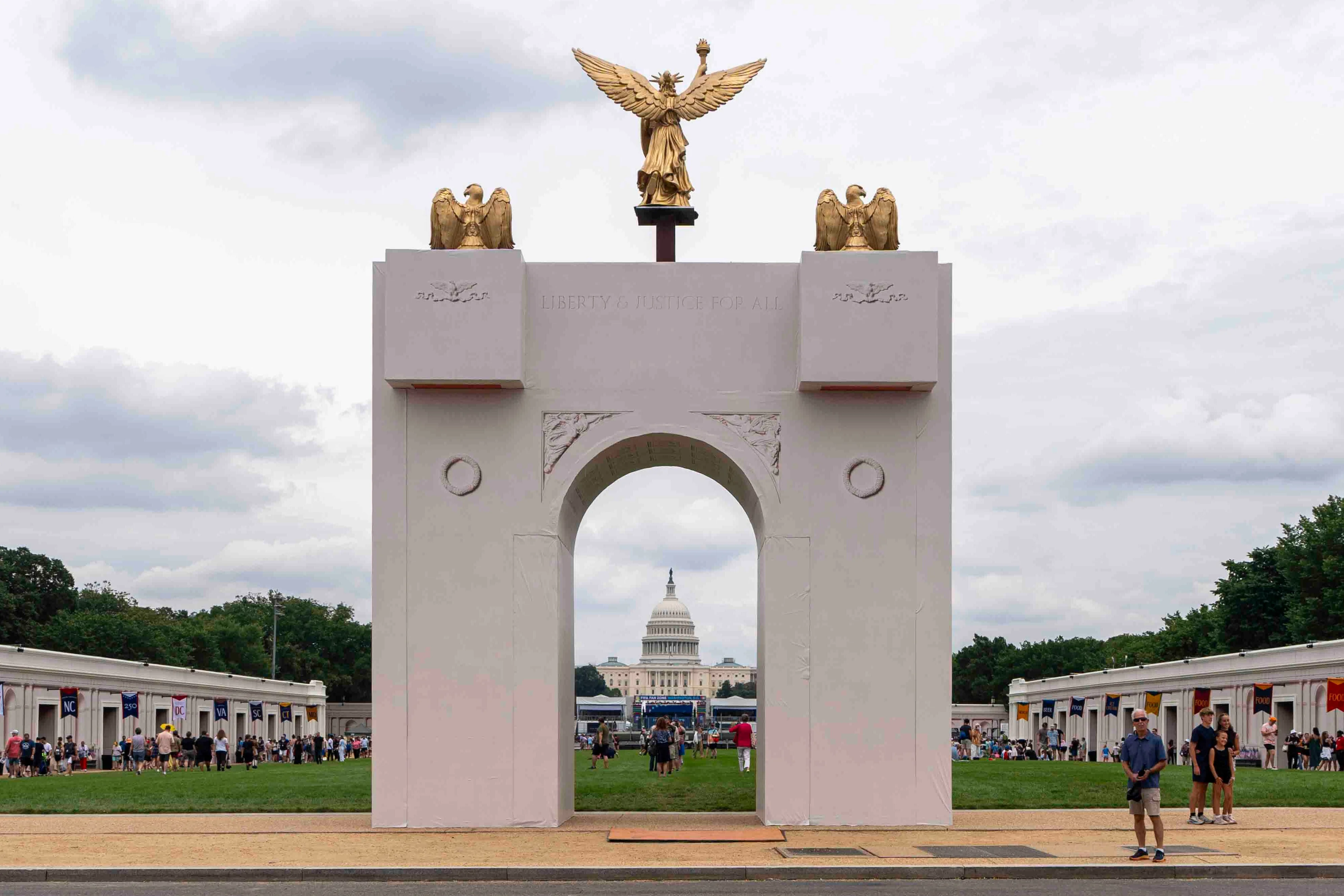
A legal conflict over the administration’s signature infrastructure and commemorative agenda has moved into the federal courts, as Virginia and the District of Columbia filed suit to halt the construction of a proposed monumental arch. The litigation, which seeks to block the project on jurisdictional and environmental grounds, reached a critical procedural juncture this week. U.S. District Court Judge Tanya Chutkan has directed legal counsel for both the plaintiffs and the federal government to enter discussions and establish a joint briefing schedule regarding a motion for a temporary restraining order. The parties are required to submit this proposed timeline by Saturday evening.
The dispute centers on the administration’s plan to erect a massive triumphal arch near the Potomac River, a project intended to serve as a landmark for the current executive branch’s legacy. However, local authorities in Virginia and the District of Columbia argue that the project bypasses established federal land-use protocols and infringes upon local sovereignty. The plaintiffs contend that the construction would disrupt protected historical vistas and violate the Commemorative Works Act, which governs how monuments are placed in the National Capital Region. The administration has maintained that the project falls under executive authority regarding federal property and national landmarks.
For the 2026 midterm cycle, this legal battle serves as a proxy for larger debates over executive overreach and the limits of federal power. For Democrats, the lawsuit provides a platform to challenge the administration’s unilateral approach to infrastructure, potentially mobilizing suburban voters in Northern Virginia who are sensitive to federal encroachment. Conversely, the administration may use the legal challenge to frame the opposition as obstructionist, appealing to a base that favors bold, symbolic expressions of national identity and executive strength. The outcome could influence the political climate in key House districts surrounding the capital, where federal land management is often a salient local issue.
As the court proceedings move forward, the immediate focus remains on whether a temporary restraining order will be granted to pause construction. If the court finds the plaintiffs' arguments regarding procedural lapses compelling, it could lead to a protracted legal stay, effectively shelving the project until after the midterm elections. Observers are looking to the Saturday filing for indications of how aggressively the Department of Justice will defend the project's timeline and whether the administration is willing to negotiate on the project's scale or location to avoid a definitive judicial rebuke. The timeline set this weekend will dictate the pace of a case that intersects constitutional authority with the aesthetic and political landscape of the nation’s capital.
One essay. Every Friday. From operators who actually run things.
Join thousands of founders, partners, and operating leaders. No filler. Unsubscribe anytime.
Reader notes
0 NotesSign in to comment. Comments are signed and public.
Sign in →