Field Notes
Federal Authorities Investigate Hazardous Mailings Sent to Election Hubs
The FBI and Postal Inspection Service are probing suspicious packages sent to voting officials and congressional offices ahead of the 2026 midterm cycle.
Numerous Times Politics Desk
The 2026 midterm elections, race by race
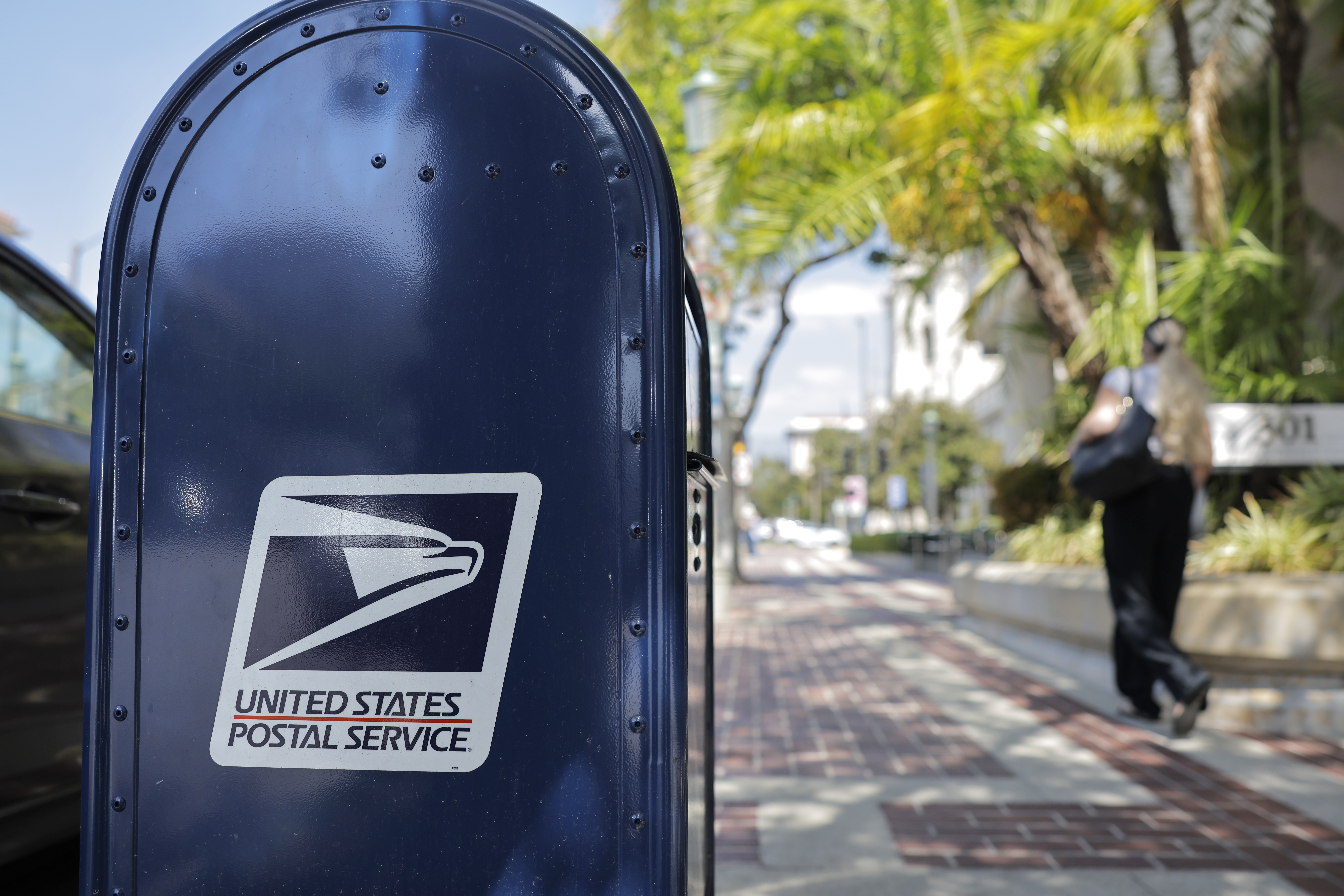
Federal law enforcement agencies have launched a coordinated investigation into a series of suspicious mailings delivered to election offices and congressional outposts across several states this week. The Federal Bureau of Investigation and the U.S. Postal Inspection Service confirmed they are tracing the origins of these packages, some of which reportedly contained an unidentified white powdery substance. While early field tests in several jurisdictions have not yet indicated the presence of lethal biological agents, the disruption has forced the temporary evacuation of government buildings and triggered hazardous material protocols during a sensitive period of the election cycle.
This development occurs as state and local officials prepare for the 2026 midterm elections, which will determine the balance of power in both the House and the Senate. The incident follows a multi-year trend of escalating security concerns for those tasked with administering the democratic process. Since the 2020 and 2022 cycles, election workers have frequently reported an increase in threats, leading many veteran administrators to leave the field. The current investigation suggests that despite increased federal investment in physical security for polling precincts and processing centers, the infrastructure of the mail-in voting system remains a target for harassment and intimidation efforts.
For the current administration and congressional leadership, these mailings are more than a public safety concern; they represent a potential bottleneck for legislative and electoral logistics. If these incidents continue or escalate, the cost of securing election offices will likely rise, placing additional strain on local budgets already struggling with the costs of upgrading voting machinery and cybersecurity defenses. From a political standpoint, the climate of uncertainty surrounding election safety often influences voter behavior, particularly regarding the perceived security of mail-in ballots.
The immediate impact on the 2026 races involves the potential for administrative delays in candidate filing and ballot preparation in the affected districts. If congressional offices are forced to limit public access or alter mail processing, the ability of incumbents to perform constituent services—a key component of reelection campaigning—could be hampered. Moving forward, observers should watch for how the Department of Justice handles potential prosecutions, as federal authorities have recently signaled a zero-tolerance policy for interference with election personnel. The response from both parties in Congress will also be critical, as it may dictate whether new emergency funding for election security becomes a priority in the next appropriations cycle or if the issue becomes another flashpoint in the ongoing debate over federal versus state control of voting procedures.
One essay. Every Friday. From operators who actually run things.
Join thousands of founders, partners, and operating leaders. No filler. Unsubscribe anytime.
Reader notes
0 NotesSign in to comment. Comments are signed and public.
Sign in →