Field Notes
Early Polling Advantage for Democrats Meets Structural Realities of Midterm Map
While initial data suggests a favorable environment for the President’s party, historical trends and delayed reporting timelines may complicate the path to a majority.
Numerous Times Politics Desk
The 2026 midterm elections, race by race
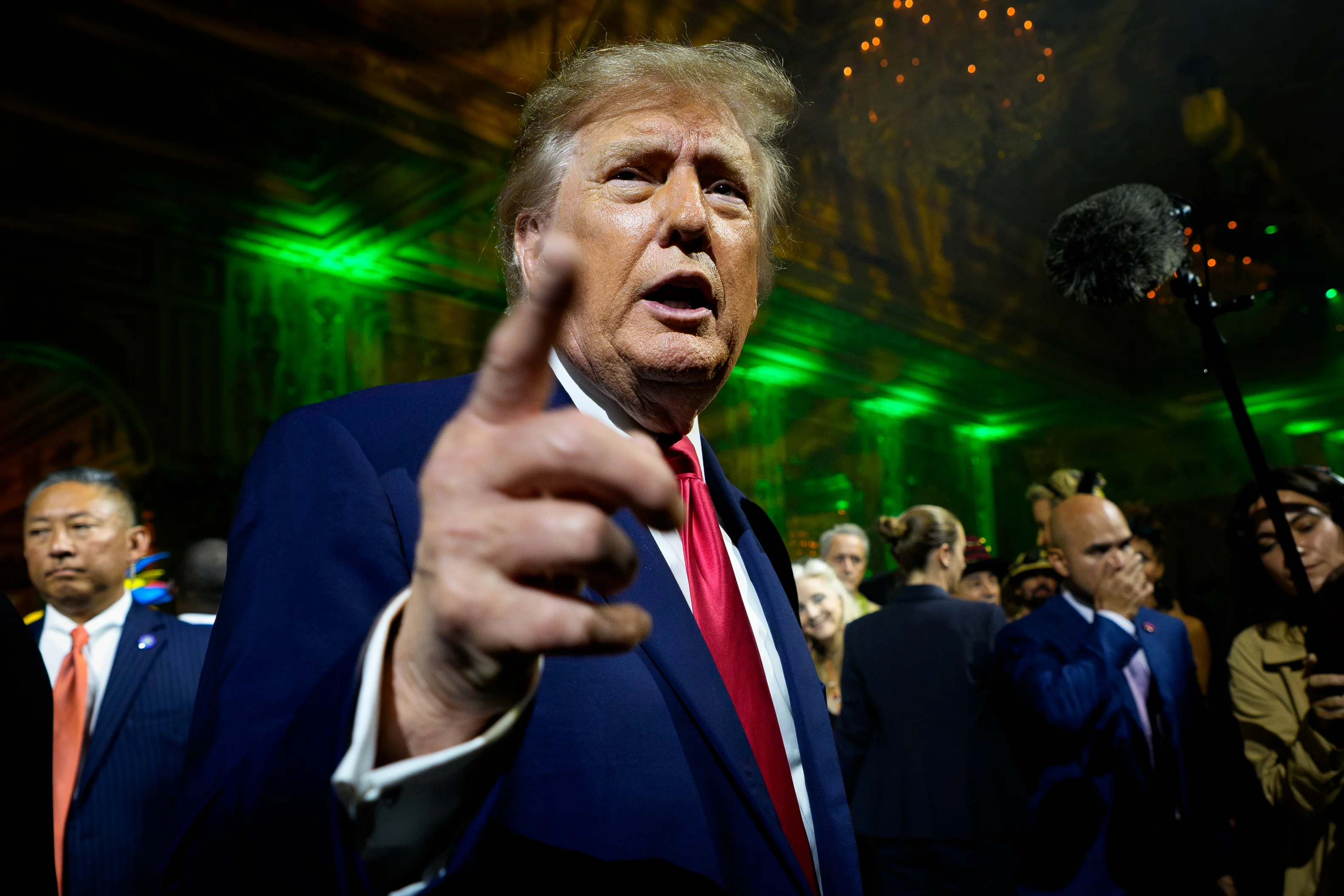
Early indicators for the 2026 midterm cycle suggest a competitive landscape as Democrats seek to maintain or expand their influence in a polarized Washington. Recent polling data indicates a nascent advantage for the party currently holding the executive branch, a notable deviation from the historical norm where the president’s party typically faces significant headwinds during the first midterm of a second term. However, these early figures are being met with caution by strategists who point to the long lead time before November and the structural hurdles inherent in the current congressional maps.
The political environment is currently defined by a electorate focused on the durability of the economy, the volatility of immigration policy, and the persistent pressure of the cost of living. For the administration, these early polling leads offer a potential mandate to continue its legislative agenda, yet the durability of this support remains tested by specific regional dynamics. In the House, redistricting battles in several key states have created a narrow path to a majority, meaning even a small shift in the national mood could result in a change of leadership. In the Senate, the map remains the primary arbiter of power, with several incumbents facing challenges in states that have trended toward the opposition in recent cycles.
Analysts note that while the current data shows a Democratic edge, the limitations of early polling cannot be ignored. The margin of error in many of these surveys suggests a race that is effectively tied in the battleground districts that will ultimately decide the speakership. Furthermore, the mechanics of the 2026 election are expected to mirror the protracted counting processes seen in 2022 and 2024. As more states adopt expanded mail-in voting and varied tabulation deadlines, the final determination of who runs Congress may not be known on election night, creating a period of political uncertainty that could impact the transition to a new legislative session.
What matters now is how these polling leads translate into fundraising and recruitment. A perceived advantage helps the majority party attract high-quality candidates and secure early commitments from major donors. Conversely, the opposition is banking on the traditional midterm swing to mobilize their base around grievances regarding healthcare costs and border security.
In the coming months, the focus will shift to the primary season, where internal party fractures will be laid bare. Observers should watch for whether the administration can maintain this polling cushion as the campaign season intensifies and whether the opposition can consolidate its messaging to reclaim the narrative on the economy. The final outcome will not only dictate the fate of the remaining two years of the administration’s term but will also set the stage for the 2028 cycle.
One essay. Every Friday. From operators who actually run things.
Join thousands of founders, partners, and operating leaders. No filler. Unsubscribe anytime.
Reader notes
0 NotesSign in to comment. Comments are signed and public.
Sign in →