Field Notes
DOJ Pursuit of James Comey Sets Stage for New Conflict Over Executive Power
The administration’s move to prosecute the former FBI Director over decade-old disclosures introduces a volatile new legal front ahead of the 2026 midterm elections.
Numerous Times Politics Desk
The 2026 midterm elections, race by race
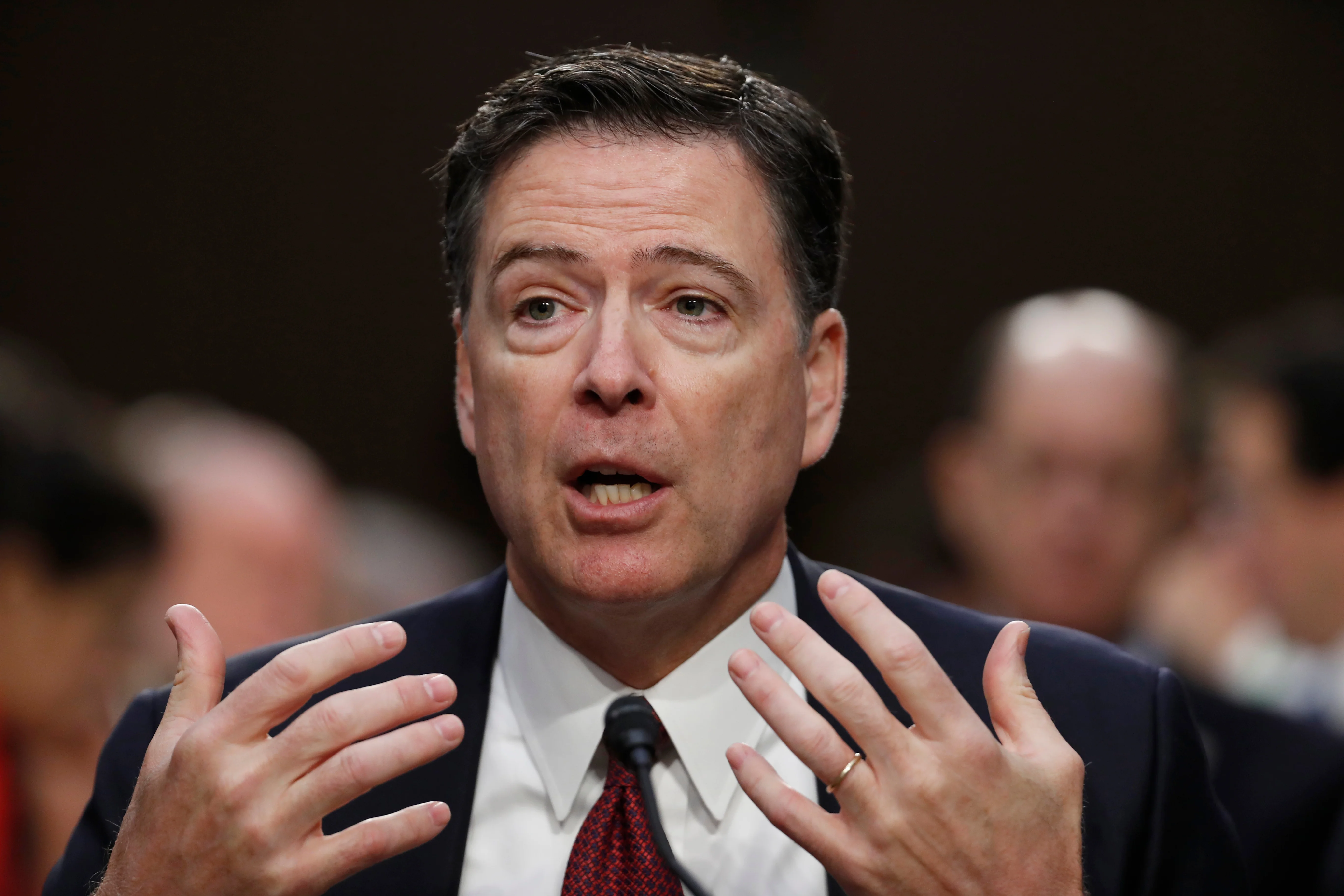
The Department of Justice has initiated a fresh effort to prosecute former FBI Director James Comey, citing allegations related to the handling of classified information dating back nearly ten years. The move, confirmed by administration officials, centers on the claim that Comey improperly disclosed sensitive materials during the early stages of the investigation into Russian interference in the 2016 election. Counsel representing the former director moved immediately to challenge the filing, arguing that the effort is legally deficient and falls well outside the established statute of limitations for the alleged offenses.
This development revives a long-standing grievance for the administration, which has frequently criticized the conduct of senior intelligence and law enforcement officials during the mid-2010s. For years, the question of whether Comey’s decision to document and later share his interactions with the executive branch constituted a violation of federal law has been a point of intense partisan debate. While previous reviews by the Department’s Inspector General found that Comey violated department policy regarding the handling of memos, those findings did not originally result in criminal charges. The administration’s decision to reopen this case suggests a significant shift in the Department’s prosecutorial priorities.
The timing of this legal push is expected to resonate across the 2026 political landscape. For the administration, the move serves as a fulfillment of promises to hold what it terms the "deep state" accountable for perceived past overreaches. However, in the context of the upcoming midterms, the move carries substantial risk. It provides a focal point for the administration’s critics, who argue the prosecution represents a politicization of the justice system. For voters, the focus on a decade-old controversy may either reinforce views on government accountability or be seen as a distraction from pressing kitchen-table issues like the cost of living and healthcare.
In Congress, the impact will be felt in the intensifying battle for committee control. Should the administration’s efforts face delays or dismissal in the courts, legislative allies may use the momentum to launch new oversight investigations into the FBI’s historical conduct. Conversely, if the prosecution is viewed by the public as an overextension of executive authority, it could energize opposition efforts to regain a foothold in the House and Senate to provide a check on the Department of Justice.
Observers should watch for the initial court response to the statute of limitations defense, which will determine if this remains a long-term legal saga or a short-lived procedural battle. Additionally, watch for how candidates in swing districts navigate the issue—whether they lean into the administration's narrative of accountability or distance themselves to focus on economic policy.
One essay. Every Friday. From operators who actually run things.
Join thousands of founders, partners, and operating leaders. No filler. Unsubscribe anytime.
Reader notes
0 NotesSign in to comment. Comments are signed and public.
Sign in →