Field Notes
DOJ Election Monitoring Program Commences Amid Heightened Interagency Tension
The Department of Justice begins deploying federal observers to key jurisdictions as the legal framework for ballot access becomes a central midterm battleground.
Numerous Times Politics Desk
The 2026 midterm elections, race by race
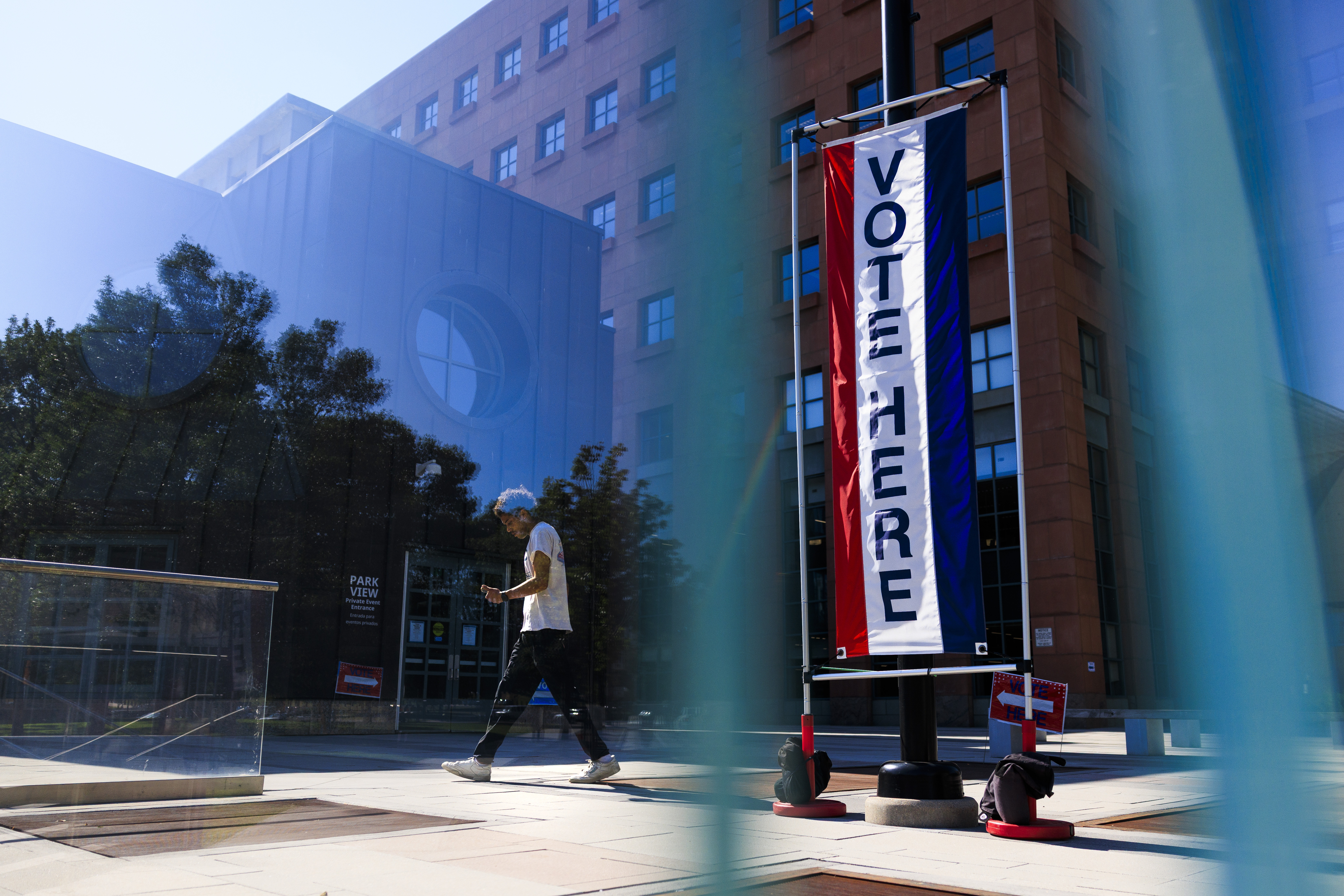
The U.S. Department of Justice has initiated its formal notification process for counties and jurisdictions across the country where it intends to deploy federal personnel to monitor voting procedures for the upcoming midterm elections. This administrative step, a recurring feature of the federal government’s oversight of the Voting Rights Act, involves sending specialized staff from the Civil Rights Division to observe polling place activities and ensure compliance with federal protections. While the department has not publicly listed the specific counties targeted for this cycle, the deployment typically focuses on areas with a history of language access issues or recent allegations of voter intimidation.
The context for this year’s monitoring is shaped by a significant shift in how election administration is viewed by both major political parties. Historically, the presence of federal monitors was a relatively routine, if occasionally sensitive, exercise in ensuring that minority voters were not being disenfranchised. However, the legacy of the 2020 and 2024 cycles has fundamentally altered the political stakes. The previous administration’s efforts to challenge election results and exert influence over state-level tallies have left a lasting mark on the Justice Department’s posture, leading to a more proactive approach in identifying potential friction points before the first ballots are cast.
For the 2026 midterms, the presence of these monitors carries profound implications for the fight for control of Congress. In a political environment where several House seats and a handful of Senate races are expected to be decided by razor-thin margins, the mechanics of voting—ranging from the placement of drop boxes to the processing of provisional ballots—become central to campaign strategy. The administration’s agenda effectively hangs on these outcomes; a shift in even a few districts could determine whether the executive branch retains a legislative partner or faces a divided government capable of stalling major initiatives on the economy and immigration.
The legal authority of these monitors remains a point of contention in various state capitals. Some local officials argue that federal oversight constitutes overreach, while others maintain that without a federal presence, local partisan pressures could compromise the integrity of the count. As the election approaches, observers should watch for legal challenges from state attorneys general seeking to limit the access of federal personnel to polling sites. The extent to which the DOJ can successfully embed these monitors will serve as a bellwether for the broader struggle between federal oversight and state-led election reform, a dynamic that will likely define the legal landscape of the 2026 cycle.
One essay. Every Friday. From operators who actually run things.
Join thousands of founders, partners, and operating leaders. No filler. Unsubscribe anytime.
Reader notes
0 NotesSign in to comment. Comments are signed and public.
Sign in →