Field Notes
DOJ Election Lawsuits and Charges in California Spark Intense Control of Congress Fight
A federal crackdown on alleged voting crimes and an emergency filing over voter roll maintenance set a high-stakes legal precedent ahead of the 2026 midterms.
Numerous Times Politics Desk
The 2026 midterm elections, race by race
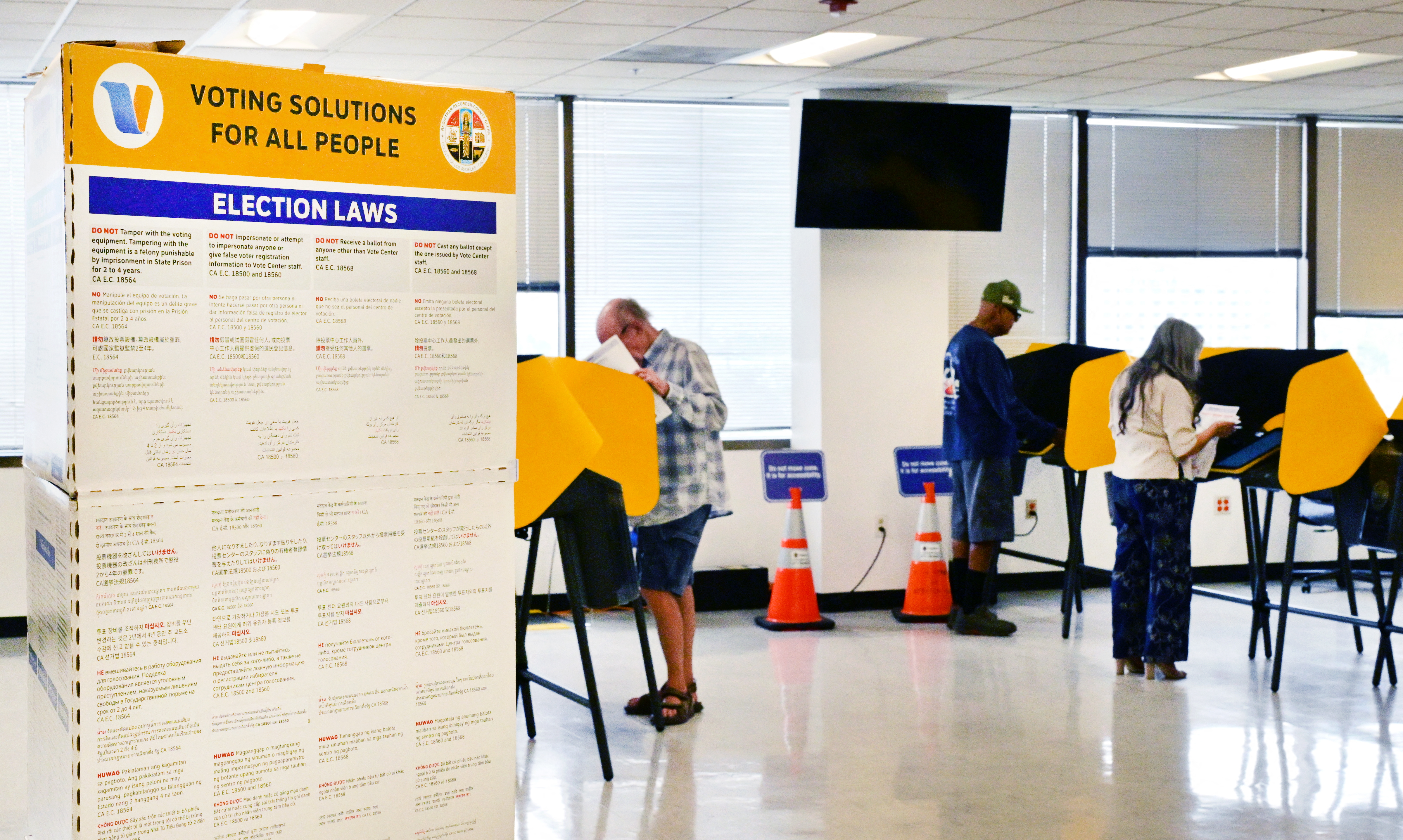
The Department of Justice has initiated a broad legal offensive in California, filing criminal charges against 28 individuals for alleged voting-related crimes and seeking an emergency federal court order to halt the processing of certain ballots. This sudden surge in litigation centers on the integrity of the state’s voter rolls, specifically targeting individuals the federal government identifies as likely noncitizens. The timing of these filings, occurring as the 2026 midterm cycle enters a critical phase, places California’s electoral administration at the center of a national debate over ballot security and voter eligibility.
At the heart of the emergency request is a demand that California election officials cease the counting of ballots cast by individuals whose citizenship status has been questioned by federal authorities. This move follows a period of heightened scrutiny regarding how states maintain their registration lists and whether existing safeguards are sufficient to prevent noncitizen participation. California, a state with significant influence in both the House of Representatives and the national political landscape, has long been a focal point for disagreements over the intersection of immigration policy and election law.
For the administration and both parties in Congress, the implications are substantial. Republicans have frequently cited concerns over voter roll accuracy as a pillar of their 2026 platform, arguing that rigorous cleaning of registration lists is essential to maintaining public trust. Democrats, conversely, often frame such last-minute federal interventions as potential disenfranchisement efforts that could intimidate eligible voters, particularly in immigrant communities. As both parties vie for control of the House, where several California swing districts could determine the majority, any shift in how ballots are processed or who is permitted to remain on the rolls carries immediate partisan weight.
Beyond the immediate criminal proceedings, the DOJ’s actions signal a more aggressive federal posture toward state-level election management. This development may complicate the administration’s broader legislative agenda by deepening the polarization surrounding election reform and border security—two issues that polling suggests remain top of mind for voters concerned with the cost of living and national stability. If the federal court grants the emergency request, it could set a precedent for similar challenges in other states, potentially leading to a fragmented patchwork of voting rules just months before the midterms.
Moving forward, observers should monitor the federal court’s ruling on the emergency injunction and whether the state of California offers a formal challenge to the federal government’s data regarding citizenship status. The resolution of these cases will likely influence campaign rhetoric and legal strategies across the country, as candidates calibrate their messaging on the reliability of the democratic process. The 2026 map remains highly competitive, and the outcome of this legal friction in California may dictate the procedural ground rules for the most contested races in the nation.
One essay. Every Friday. From operators who actually run things.
Join thousands of founders, partners, and operating leaders. No filler. Unsubscribe anytime.
Reader notes
0 NotesSign in to comment. Comments are signed and public.
Sign in →