Execution
Defending the Editing Desk: Why Content Continuity Requires Legal Insulation
The ongoing regulatory friction between major networks and federal oversight highlights a vital operational reality—protecting the creative process requires a shield.
Numerous Times Execution Desk
Operating playbooks that compound
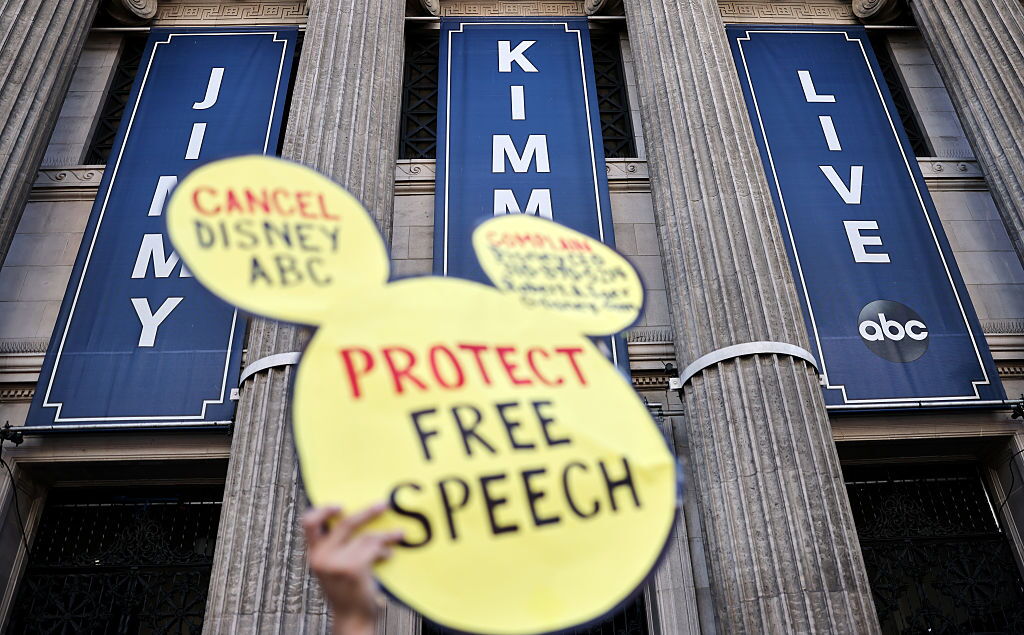
Operational continuity in the media sector often feels like a balancing act between creative output and regulatory compliance. When a high-profile entity like Disney engages in a legal standoff with federal authorities over free speech protections, the true lesson for executives isn’t about political alignment. Instead, it is about the structural necessity of insulating your product from external volatility. Whether you are running a multinational broadcast network or a niche content desk, the mechanics of production rely on the certainty that your team can execute on their vision without a sudden administrative pivot forcing an editorial rewrite.
At the execution level, legal shielding is not just a defensive posture; it is a resource allocation strategy. When federal voices begin targeting specific personalities or segments, the internal friction increases. If the legal framework defining what can be broadcast remains ambiguous, every script, every joke, and every investigation must pass through additional layers of compliance review. This slows down the production cycle, bloats the overhead, and saps the creative energy required to produce high-value content. By contesting federal overreach in court, organizations are essentially fighting to keep their operating playbooks intact. They are defending the right to manage their own talent—like late-night hosts or talk show panels—without a third-party chair at the editorial table.
For most managers, the takeaway is one of risk diversification and authority. You cannot scale a product if the rules of engagement change based on the news cycle. Building a durable operation means establishing clear boundaries between the people doing the work and the external pressures that seek to influence it. This requires more than just a strong legal team; it requires a culture where the 'how' of the work is protected by a standard that is blind to shifting political winds. If your operation is susceptible to the whims of a single regulator or a vocal critic, your business model lacks the necessary insulation to compound value over the long term.
Focusing on the unglamorous mechanics of these legal battles reveals the core objective: stability. A network cannot plan a five-year talent roadmap if the regulatory environment suggests that certain voices may be silenced by executive fiat. In Monday morning terms, this means auditing your own operation's vulnerabilities. Are there external stakeholders who could force you to fire a key contributor or alter a product road map overnight? If so, you aren't just facing a PR risk; you have a structural flaw. Protecting the work means ensuring that the only people with the power to change the output are the people responsible for delivering it.
One essay. Every Friday. From operators who actually run things.
Join thousands of founders, partners, and operating leaders. No filler. Unsubscribe anytime.
Reader notes
0 NotesSign in to comment. Comments are signed and public.
Sign in →