Field Notes
Casual Dining Becomes Unlikely Flashpoint in Closing Days of Midterm Campaign
A viral remark regarding the Cheesecake Factory has sparked a debate over retail costs and economic messaging as both parties vie for control of Congress.
Numerous Times Politics Desk
The 2026 midterm elections, race by race
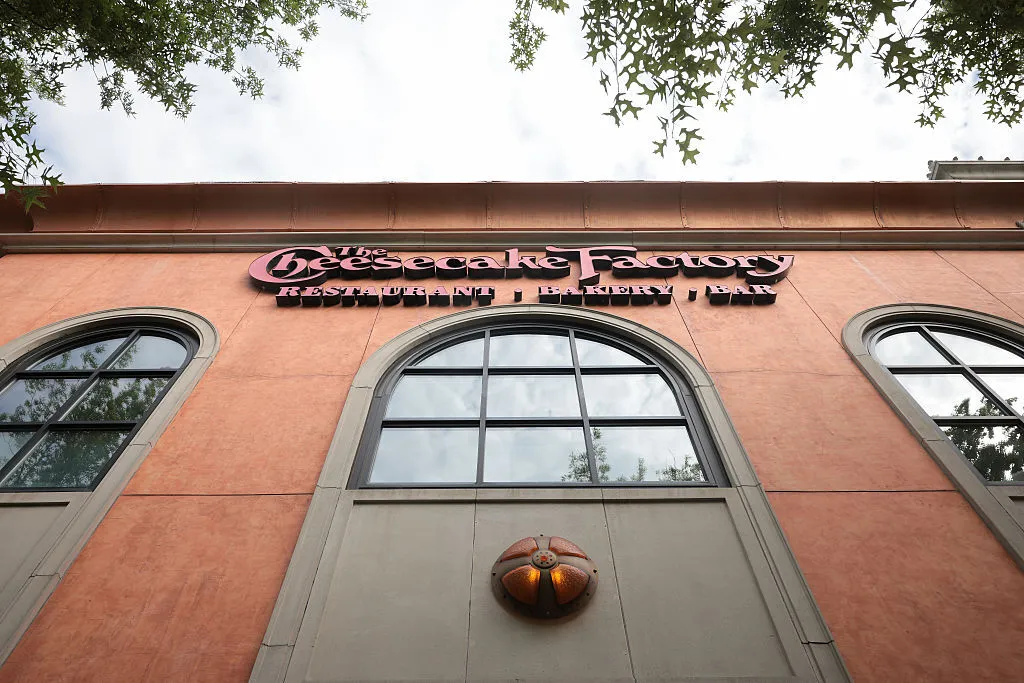
In the final stretch before the 2026 midterm elections, an unexpected cultural debate centered on the Cheesecake Factory has emerged as a proxy for the broader national conversation on affordability. The controversy began following a humorous observation by former President Barack Obama during a campaign stop, which was quickly met with a sharp rebuttal from the Trump administration. What started as a rhetorical aside has rapidly transformed into a focal point for campaign messaging, illustrating the heightened sensitivity surrounding consumer costs as voters prepare to decide the composition of the next Congress.
The exchange occurs against a backdrop of deep anxiety regarding the cost of living. Throughout the cycle, internal polling from both parties has consistently identified inflation and everyday expenses as the primary drivers for undecided voters in key battleground states. For the administration, the strategy has been to frame the economy as stabilizing, while the opposition has focused on the remaining friction in household budgets. By elevating a reference to a ubiquitous casual dining chain, both sides are attempting to signal their proximity to the lived experiences of the middle class, a demographic that remains the ultimate prize in the fight for the House and Senate.
This development matters because it highlights the fragility of the current political landscape. In a high-stakes election where control of the legislative agenda is at risk, minor cultural touchstones can become significant tools for mobilization. For the Trump administration, the response serves as an opportunity to portray the opposition as disconnected from the financial realities of average Americans. Conversely, the initial remark was intended to highlight the absurdity of modern political discourse, yet its reception suggests that in a polarized environment, no subject is immune to partisan interpretation.
The implications for the administration’s agenda are substantial. If the opposition successfully leverages these cultural moments to paint the administration as out of touch, it could jeopardize vulnerable seats in suburban districts where the cost of living is the decisive issue. A loss of either chamber would effectively stall the current administration's legislative priorities for the remainder of the term, leading to two years of oversight battles rather than policy implementation.
As the cycle enters its final hours, observers should watch how this narrative evolves in digital advertising and closing stump speeches. The focus will likely shift from the specific restaurant chain back to broader economic metrics, but the incident underscores a critical reality of the 2026 map: in a race this close, the ability to define the "affordability" narrative may be the difference between a governing majority and a minority status.
One essay. Every Friday. From operators who actually run things.
Join thousands of founders, partners, and operating leaders. No filler. Unsubscribe anytime.
Reader notes
0 NotesSign in to comment. Comments are signed and public.
Sign in →