Field Notes
California Election Officials Dispute Reliability of Federal Noncitizen Voter Data
A preliminary analysis in Los Angeles County suggests a Department of Justice list of potential noncitizen registrants contains significant errors, including U.S. citizens.
Numerous Times Politics Desk
The 2026 midterm elections, race by race
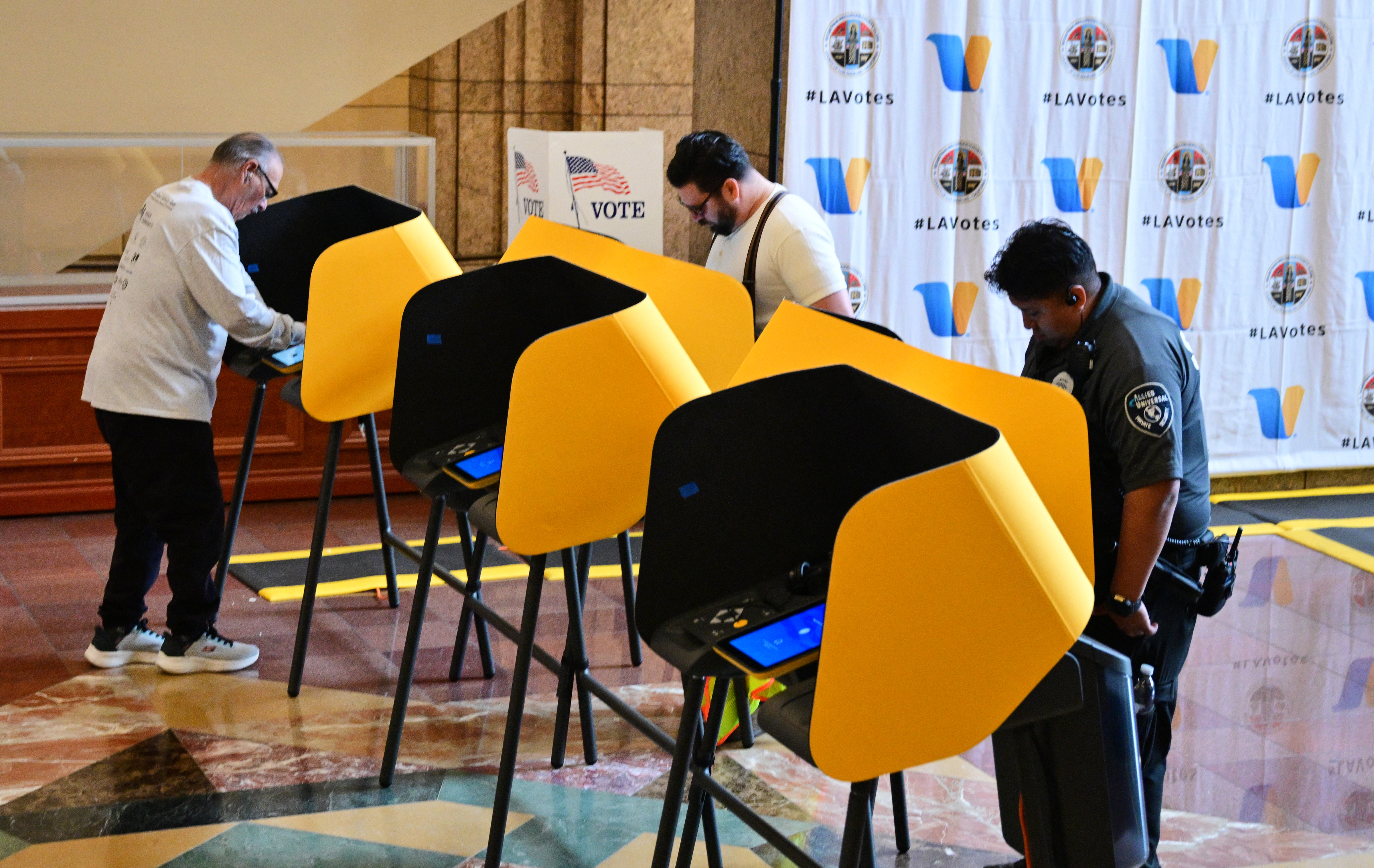
Election officials in Los Angeles County have raised significant concerns regarding the accuracy of federal data intended to identify noncitizens on voter rolls, labeling a recent Department of Justice list as unreliable. The dispute centers on a federal roster identifying approximately 20,000 individuals in California as likely noncitizens registered to vote. Local administrators now report that a preliminary review of these names suggests the data includes individuals who were born in the United States, casting doubt on the federal government's methodology during a period of intense scrutiny over election integrity.
The friction between federal law enforcement and local election authorities comes as both parties prepare for the 2026 midterm elections, where control of the House of Representatives may likely be decided by a handful of competitive districts in California. Under federal law, only U.S. citizens are eligible to vote in federal elections. While states regularly perform list maintenance to remove deceased voters or those who have moved, the identification of noncitizens has become a flashpoint in national political discourse. The Department of Justice recently flagged these thousands of records for further investigation, yet local officials argue the federal data set fails to account for updated naturalization records or birthright citizenship.
This development is significant because it touches on the administration’s ability to balance rigorous election security with the protection of voting rights. For the administration, a flawed list could lead to accusations of administrative overreach or attempted voter intimidation if eligible citizens are purged or investigated. Conversely, if the lists are proven to contain ineligible voters that local officials fail to remove, the administration faces criticism for perceived lapses in enforcement. In the context of the 2026 races, the narrative surrounding voter eligibility is a potent turnout driver for both major parties, often eclipsing substantive policy debates on the economy or healthcare.
The technical accuracy of these lists has immediate implications for the legislative agenda in the next Congress. Disputes over voter rolls often lead to litigation that can delay the certification of results in close contests. Furthermore, the reliability of federal databases is central to the ongoing debate over the Safeguard American Voter Eligibility (SAVE) Act and similar legislative efforts to mandate proof of citizenship for registration. If federal data is deemed structurally flawed by local practitioners, the case for federalized registration mandates may face new hurdles in the Senate.
Observers should now monitor whether other California counties report similar discrepancies and if the Department of Justice provides clarity on the sources used to compile the list. The outcome of this data verification process will likely dictate the legal strategy for voting rights groups and party committees as they prepare for the 2026 cycle.
One essay. Every Friday. From operators who actually run things.
Join thousands of founders, partners, and operating leaders. No filler. Unsubscribe anytime.
Reader notes
0 NotesSign in to comment. Comments are signed and public.
Sign in →