Field Notes
As 2026 Campaigns Accelerate, Voter Uncertainty Shifts Focus to Polling and Procedure
A surge in voter inquiries regarding data reliability and legislative dynamics highlights the high stakes of the upcoming battle for control of the 119th Congress.
Numerous Times Politics Desk
The 2026 midterm elections, race by race
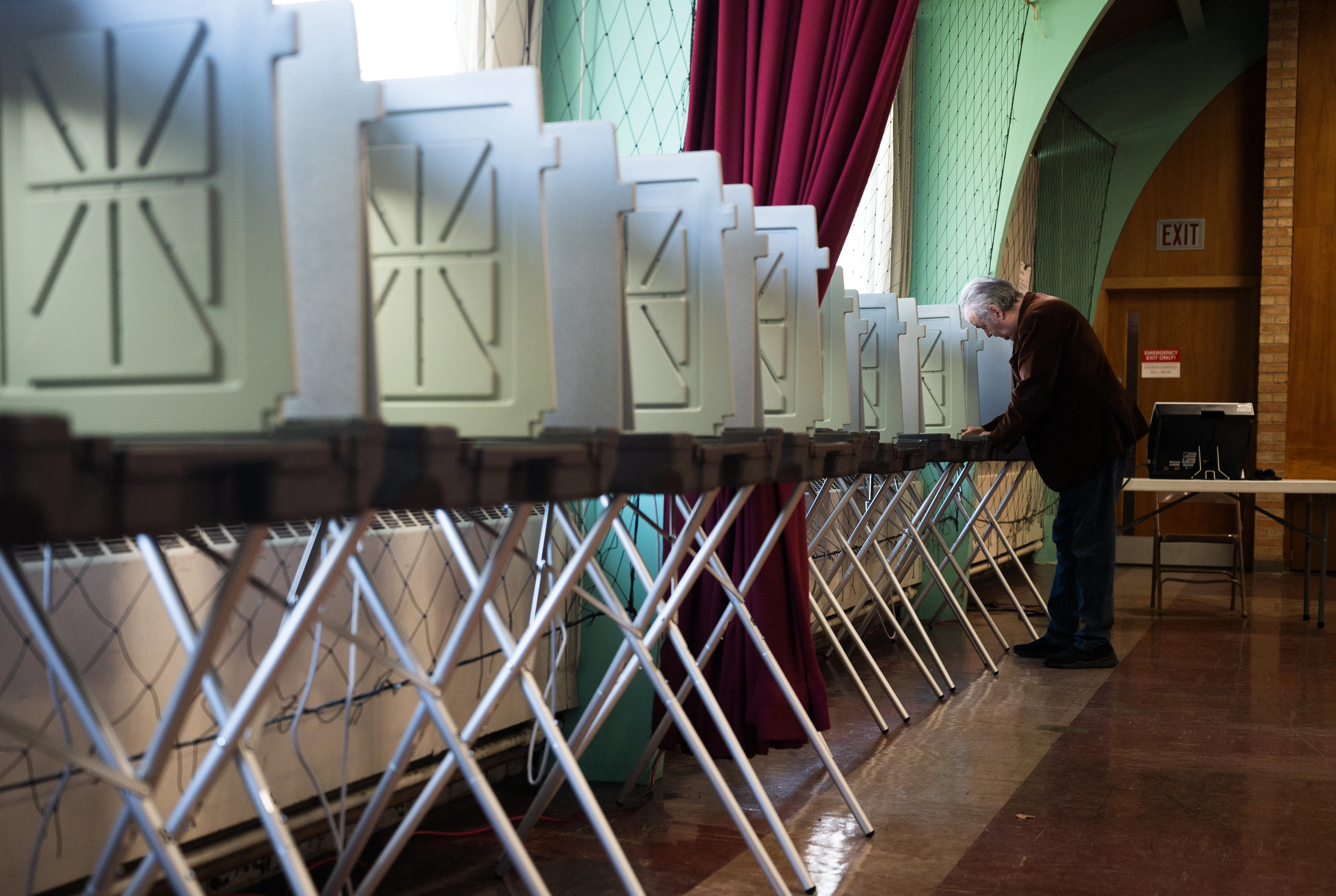
As the 2026 midterm election cycle enters its primary phase, voters across the country are expressing increased skepticism regarding the mechanics of the democratic process. In the lead-up to contests that will determine the composition of the House and Senate, recent inquiries from the public reflect a growing concern over the accuracy of predictive modeling, the efficacy of traditional candidate debates, and the functional reality of a potentially divided government. These questions arrive at a critical juncture for both major parties as they navigate a landscape defined by razor-thin margins and high-stakes redistricting battles.
Central to the current discourse is the reliability of public polling. Following several cycles where state-level surveys fluctuated outside the reported margins of error, voters are questioning whether current methodologies can accurately capture a polarized and increasingly mobile electorate. For the 2026 midterms, polling firms are facing the challenge of accounting for shifts in suburban demographics and the impact of the cost of living on voter turnout. While pollsters have refined weighting techniques to better represent non-college-educated voters and late-deciders, the inherent volatility of midterm turnout makes precise forecasting difficult. For the administration, these figures are more than just numbers; they dictate the allocation of campaign funds and determine which regional platforms receive national backing.
Beyond data, the procedural norms of American campaigning are also under scrutiny. The decline of the televised debate as a standard campaign fixture has left some voters feeling disconnected from the platforms of those seeking to lead. Candidates in highly competitive districts are increasingly opting for controlled media environments or direct digital outreach, bypassing the risks associated with unscripted cross-examination. This shift complicates the ability of moderate voters to differentiate between candidates on nuanced policy issues such as healthcare reform and immigration enforcement.
Why this matters hinges on the looming possibility of a divided government. Should the opposition party secure a majority in either chamber, the administration’s legislative agenda—ranging from judicial appointments to federal spending—would face immediate gridlock. Conversely, if the incumbent party retains control, it would signal a mandate to continue existing economic strategies. Voters are increasingly focused on how a president who has historically relied on executive action would navigate a Congress controlled by the opposing party, particularly regarding bipartisan cooperation on trade or infrastructure.
Moving forward, observers should monitor the first wave of high-profile primary debates to see if the tradition retains its influence or continues its decline. Additionally, the release of quarterly campaign finance reports will provide a clearer picture of which races are being prioritized by national committees. As the map solidifies, the focus will remain on whether polling data can regain its status as a trusted barometer or if the 2026 results will once again defy the pre-election narrative.
One essay. Every Friday. From operators who actually run things.
Join thousands of founders, partners, and operating leaders. No filler. Unsubscribe anytime.
Reader notes
0 NotesSign in to comment. Comments are signed and public.
Sign in →