Field Notes
A Strategic Pivot in the Indian Ocean: The UK Reconsiders the Chagos Sovereignty Deal
White House skepticism under a new American administration forces London to pause a long-sought resolution for the British Indian Ocean Territory.
Numerous Times World Desk
Politics, conflict, disasters, and what's circulating
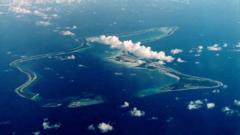
The British government has indicated a significant pause in its plan to transfer sovereignty of the Chagos Islands to Mauritius, a move that underscores the shifting geopolitical landscape following the transition of power in Washington. Defense Secretary Wes Streeting confirmed that a review of the agreement is underway, following direct criticism of the arrangement from U.S. President-elect Donald Trump. The development places a high-stakes diplomatic effort into a state of uncertainty, highlighting the friction between historical decolonization goals and the immediate requirements of global military strategy.
At the heart of the dispute is Diego Garcia, the largest island in the archipelago, which hosts a vital U.S. military base. While the initial deal negotiated by the current UK administration sought to settle a decades-long sovereignty dispute with Mauritius, it was predicated on maintaining Western security interests. Under the proposed terms, Mauritius would gain sovereignty, but the United Kingdom would retain administrative control over Diego Garcia for at least 99 years. This compromise was intended to satisfy international legal pressures while ensuring the base remained operational as a hub for operations in the Middle East and the Indo-Pacific.
However, the perceived lack of support from the incoming U.S. administration has changed the calculus in London. The President-elect’s characterization of the deal as unfavorable suggests that the United States may view any change in sovereign status—even with a long-term lease—as an unnecessary risk to its strategic posture. For the UK, proceeding without the full backing of its most critical security partner is a political impossibility. The stakes are multifaceted: economically, the stability of the region’s maritime trade routes depends on the security umbrella provided by the base; politically, the British government faces domestic criticism for potentially ceding territory that some view as essential to national defense.
Beyond the corridors of power, the human cost remains a central, though often secondary, part of the debate. The Chagossian people, forcibly removed from their homes in the 1960s and 1970s to make way for the base, have spent generations fighting for the right of return. While the proposed deal offered a potential pathway for resettlement on the outer islands, a collapse of the agreement would leave their legal status and future in continued limbo. As the UK government re-evaluates its position, it must balance the demands of international law and the rights of displaced persons against the hard realities of a security alliance that is currently being redefined by a more transactional American foreign policy.
One essay. Every Friday. From operators who actually run things.
Join thousands of founders, partners, and operating leaders. No filler. Unsubscribe anytime.
Reader notes
0 NotesSign in to comment. Comments are signed and public.
Sign in →