Field Notes
A Silent Laboratory: Questions Over Treaty Compliance and Global Biosafety
The reported death of a Russian research worker raises critical questions regarding international obligations to disclose potential biological threats.
Numerous Times World Desk
Politics, conflict, disasters, and what's circulating
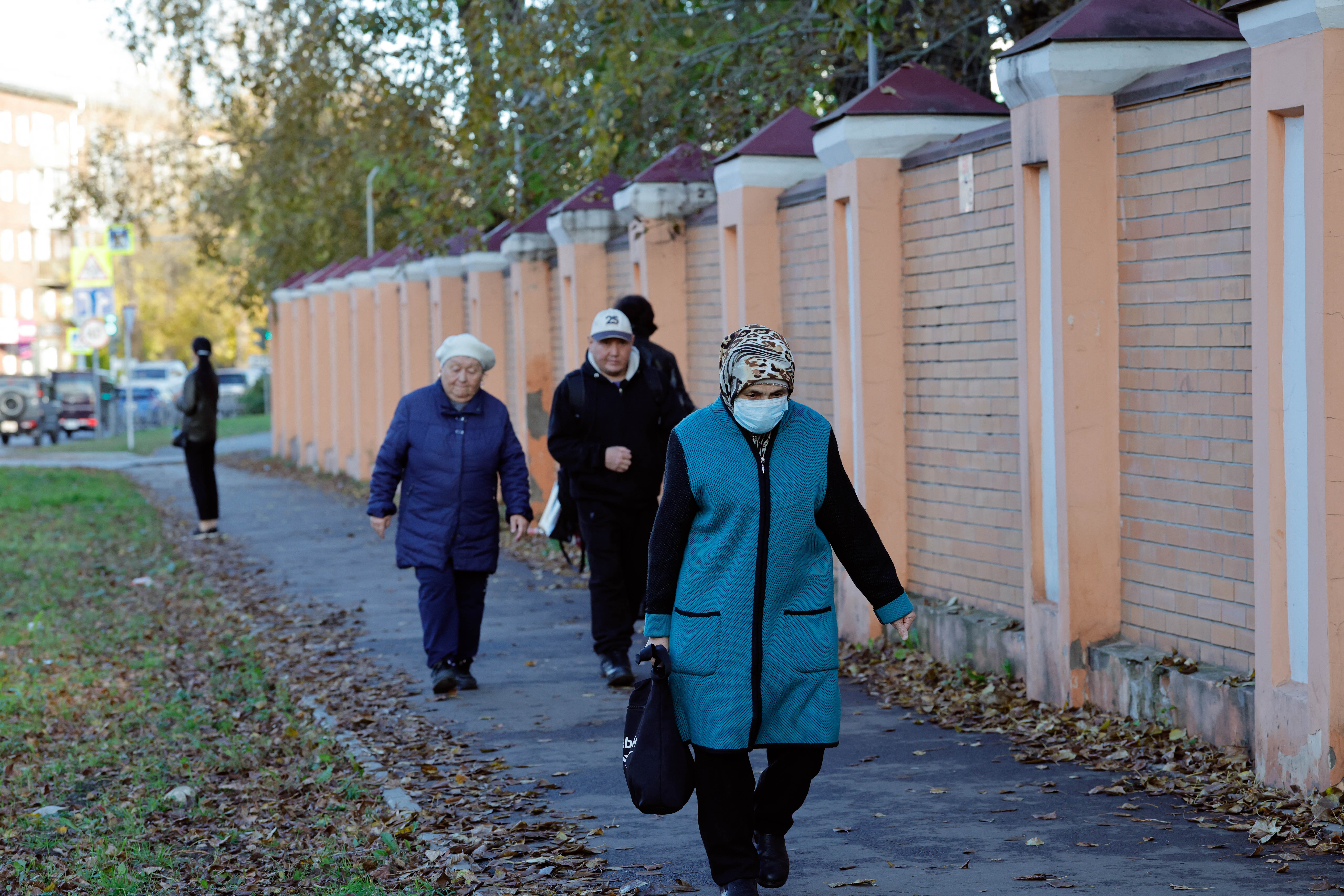
In the landscape of international security, the walls of high-containment laboratories are intended to be as transparent as they are secure. A global framework, ratified by nearly two hundred nations including the Russian Federation, establishes a protocol for the immediate reporting of any laboratory-acquired infection or fatality that could signal a broader public health emergency. This mechanism is not merely administrative; it is a foundational pillar of global biosecurity designed to prevent localized incidents from evolving into transnational crises. Recent scrutiny regarding a laboratory worker's death in Russia has reignited a debate over whether these protocols are being honored or bypassed in the name of national secrecy.
The case centers on the obligation to report incidents that might indicate an impending outbreak. Under the terms of international health regulations and biological weapons conventions, signatories agree that the risk of infectious spread outweighs the desire for privacy or the protection of a state’s reputation. When a researcher working with dangerous pathogens dies, the international community expects a level of forensic transparency to ensure that the pathogen remains contained and that no breach of protocol has endangered the public at large.
The stakes of this lack of clarity are significant. Politically, the failure to report such events erodes the fragile trust necessary for scientific cooperation between rival powers. If one nation is perceived to be concealing biological mishaps, others may feel justified in reciprocal secrecy, creating a blind spot in global health surveillance. Human stakes are even more immediate; without timely disclosure, neighboring countries and international health bodies cannot prepare for potential spillovers. The memory of recent global disruptions underscores the reality that a single containment failure, if not managed with total honesty, can lead to catastrophic economic and social consequences.
Observers are currently monitoring unconfirmed claims regarding the specific nature of the pathogen involved and the timeline of the Russian response. These rumors are gaining traction primarily because of a historical pattern of opacity regarding sensitive military and scientific facilities. However, it is essential to note that without verified data from independent inspectors or official state disclosures, the exact cause of death and the degree of reporting negligence remain subjects of inquiry rather than established fact. The tension lies in the balance between sovereign control over sensitive research and the collective right to safety. Until the reporting gaps are addressed, the world remains in a state of reactive uncertainty, waiting to see if the rules meant to protect the biosphere still hold weight in an era of heightened geopolitical friction.
One essay. Every Friday. From operators who actually run things.
Join thousands of founders, partners, and operating leaders. No filler. Unsubscribe anytime.
Reader notes
0 NotesSign in to comment. Comments are signed and public.
Sign in →