Field Notes
A G.O.P. Warning Shot Signals Shifting Dynamics in the Fight for Latino Voters
Representative María Elvira Salazar’s new advertising campaign highlights internal party friction over immigration rhetoric ahead of the 2026 midterm elections.
Numerous Times Politics Desk
The 2026 midterm elections, race by race
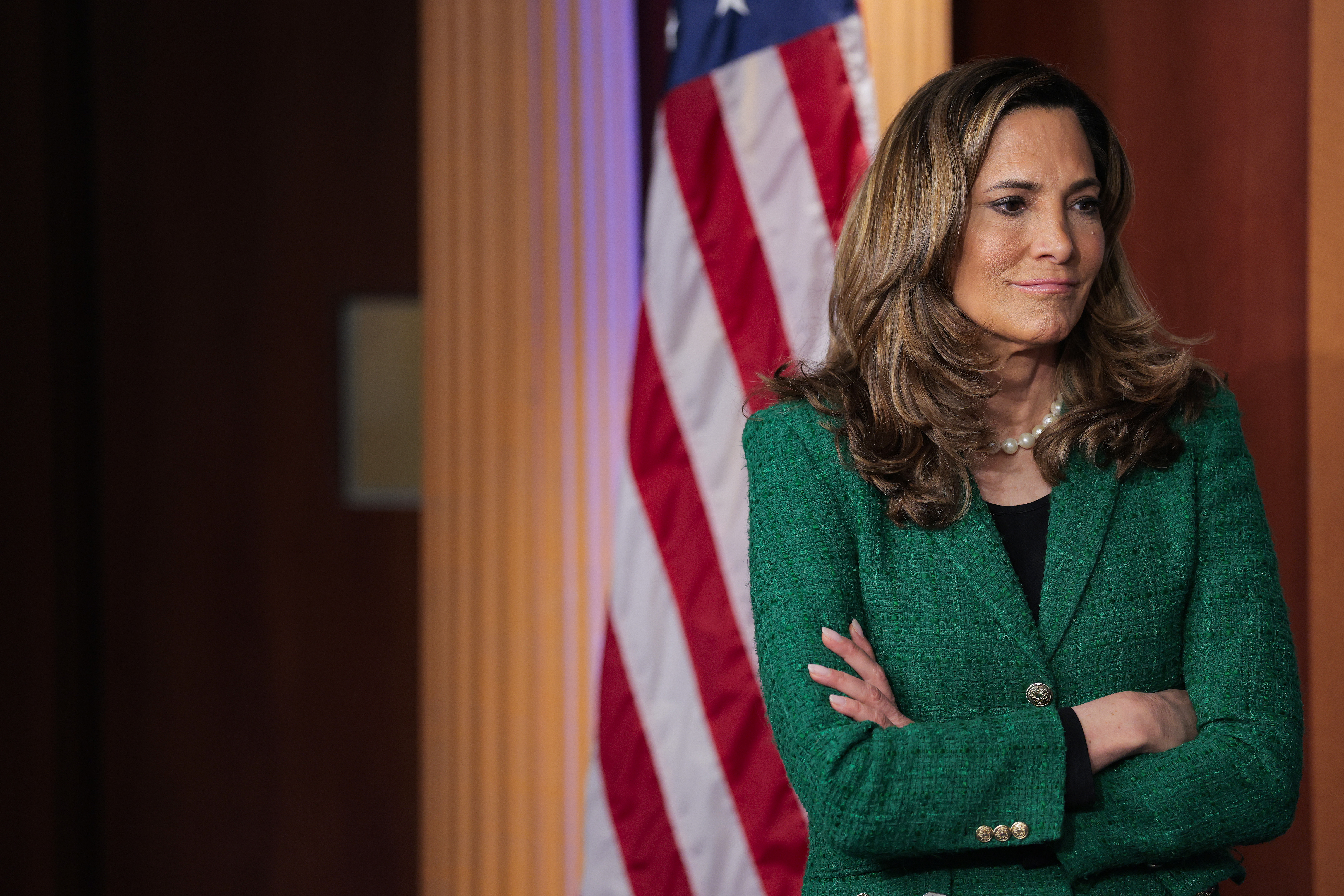
Representative María Elvira Salazar, a Florida Republican representing a swing district in Miami, has released a significant new television advertisement that directly addresses the White House regarding current immigration enforcement measures. In the spot, Salazar cautions the administration that certain policy directions have "gone too far," a rare public rebuke from a sitting member of the president’s own party. This development, occurring as the 2026 midterm cycle begins to take shape, underscores a growing strategic tension within the Republican coalition over how to maintain and expand the party's recent inroads with Latino constituencies.
To understand the gravity of this shift, one must look at the voting trends of the last two national election cycles. The Republican Party has seen a measurable increase in support among Hispanic men and working-class Latino families, particularly in regions like South Florida, the Rio Grande Valley, and parts of the Southwest. This demographic shift has been central to the G.O.P.’s ability to narrow the gap in the popular vote and maintain a slim majority in the House of Representatives. However, Salazar’s move suggests that this alignment remains fragile and could be jeopardized by rhetoric or policies perceived as overly punitive or broad in their application to immigrant communities.
For the Republican leadership, the stakes of this internal disagreement are high. The party’s path to retaining control of the House and potentially flipping the Senate relies on a "big tent" strategy that pairs traditional conservative economic principles with a culturally resonant message. If moderate or district-sensitive members like Salazar feel compelled to distance themselves from the administration’s core immigration platform, it creates a messaging vacuum that Democrats are eager to fill. The Democratic Congressional Campaign Committee has already indicated that they intend to frame the current administration’s agenda as a threat to established immigrant families, hoping to claw back the margins they lost in 2022 and 2024.
From a legislative standpoint, this friction could stall the administration’s more ambitious border and deportation proposals. If a bloc of Hispanic Republicans in the House feels their reelection prospects are at risk, they may withhold the votes necessary to fund specific enforcement initiatives, effectively acting as a check on the executive branch. This puts the Speaker of the House in a difficult position, balancing the demands of the party’s base against the survival of its most vulnerable members.
Moving forward, analysts will be watching to see if other Republicans in competitive, high-Latino districts follow Salazar’s lead or if she remains an outlier. The response from the White House will also be telling; a pivot toward more temperate language could signal a recognition of these electoral vulnerabilities, while a doubling down would suggest the administration believes the base's energy outweighs the risk of moderate defection. As primary season approaches, the way candidates navigate this divide will serve as a primary indicator for the GOP’s long-term viability with the nation’s fastest-growing voting bloc.
One essay. Every Friday. From operators who actually run things.
Join thousands of founders, partners, and operating leaders. No filler. Unsubscribe anytime.
Reader notes
0 NotesSign in to comment. Comments are signed and public.
Sign in →