Field Notes
A Final Act for Indian Cinema’s Fierce Reformist Voice
The passing of Nana Patekar at 75 marks the end of a career defined by an uncompromising intensity that reshaped the archetype of the Indian leading man.
Numerous Times World Desk
Politics, conflict, disasters, and what's circulating
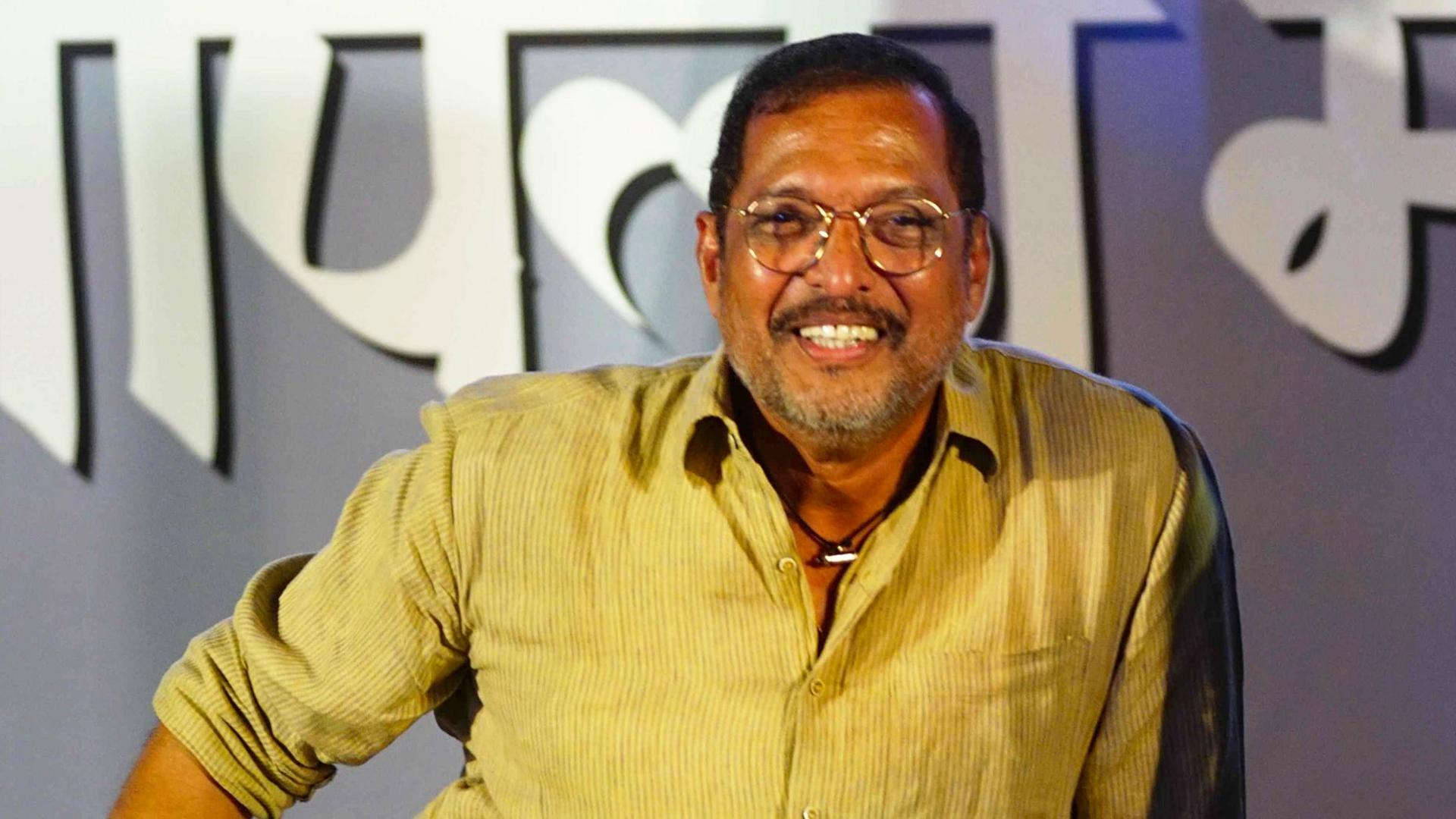
The landscape of global cinema and Indian cultural life has lost one of its most distinctive and polarizing figures. Nana Patekar, whose screen presence was defined by a singular, staccato delivery and a refusal to adhere to the traditional glamour of Bollywood, has died at the age of 75. His departure leaves a void in a film industry often criticized for artifice, where Patekar served as a tether to a grittier, more confrontational reality.
Born in Maharashtra, Patekar did not enter the arts through the groomed channels of nepotism that frequently dictate success in the Mumbai film hubs. Instead, he built a reputation through the rigorous discipline of theater before transitioning to the screen. His rise coincided with a shift in Indian storytelling, as audiences began to demand narratives that reflected the complexities of a rapidly changing nation. Patekar became the face of the common man pushed to the brink, often portraying characters who channeled the frustrations of a citizenry grappling with systemic corruption and social inequity.
International audiences perhaps know him best for his role in the critically acclaimed Mira Nair film Salaam Bombay!, but his domestic legacy is rooted in a series of visceral performances in the 1990s. In these roles, he often played the role of the agitator—men who were morally complex, sometimes volatile, but always anchored by a perceived sense of justice. This intensity was not merely a performance style; it became his public persona. He was known for being outspoken on political matters, particularly regarding the plight of farmers in rural India, where he channeled significant personal resources into philanthropic efforts to address the agricultural crisis.
His career was not without significant friction. In later years, Patekar became a central figure in the discourse surrounding the Indian film industry’s internal culture. He faced high-profile allegations that sparked a wider conversation about accountability and the treatment of women on sets. These events complicated his public standing, leading to a period of professional withdrawal and intense public scrutiny. The polarized reactions to his legacy reflect the broader tensions within an industry attempting to reconcile the artistic contributions of its veterans with modern standards of conduct.
At stake in the wake of his passing is the future of the "parallel cinema" movement he helped sustain. As India's film industry moves further toward high-budget spectacles and digital streaming dominance, the loss of a performer who prioritized character-driven, socially relevant drama is palpable. Patekar leaves behind a body of work that serves as a blueprint for raw, psychological acting, ensuring that while the man has left the stage, his influence on the craft of performance will persist for generations.
One essay. Every Friday. From operators who actually run things.
Join thousands of founders, partners, and operating leaders. No filler. Unsubscribe anytime.
Reader notes
0 NotesSign in to comment. Comments are signed and public.
Sign in →